
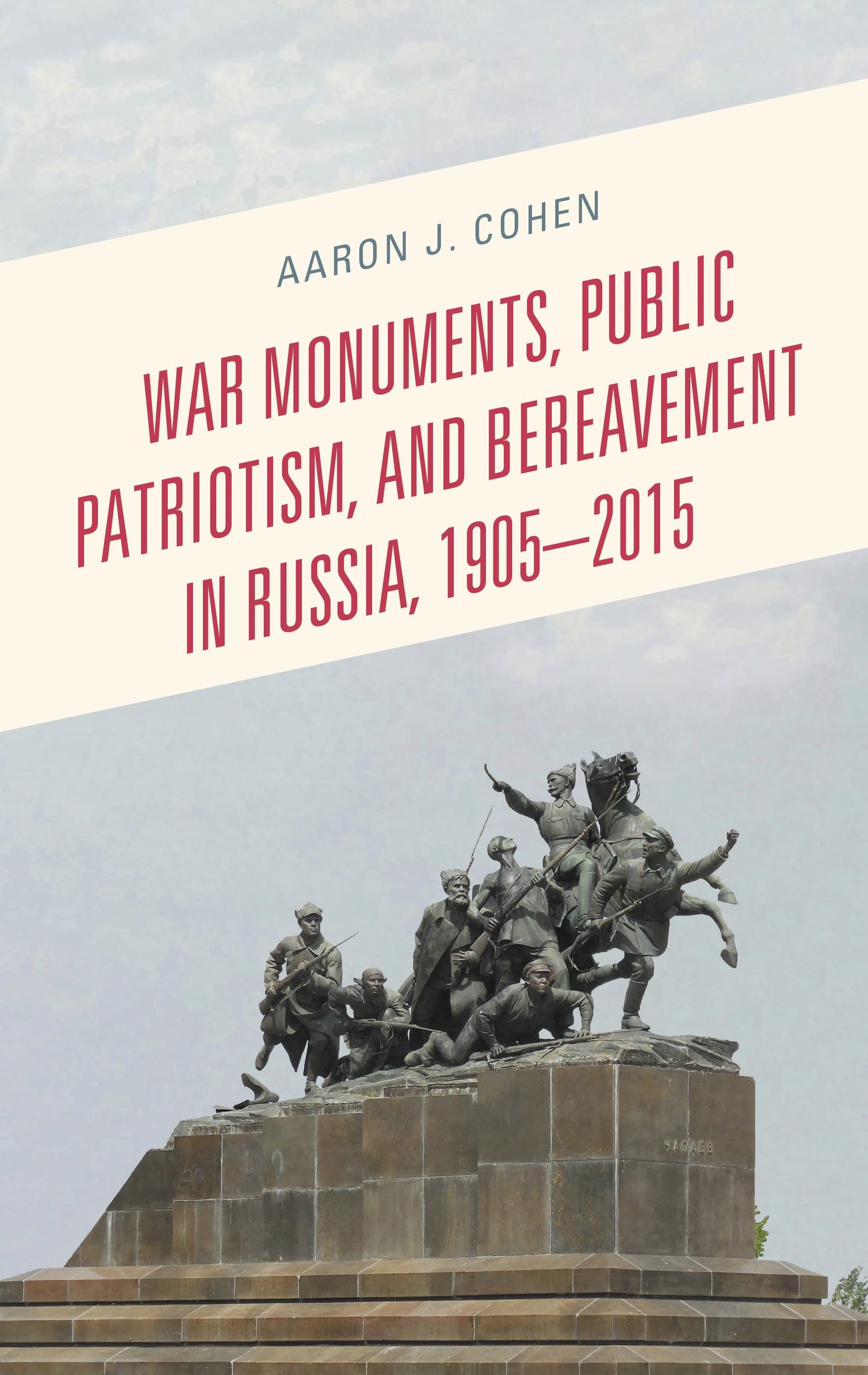
This study analyzes how public bereavement became cemented into the broad geography of Russian culture with the appearance of experiential and local memorials in the 1960s after a half century of instability, contestation, and absence. The author shows how monument builders responded to a need from the population to share an accessible war experience apart from the exclusive Bolshevik memorial culture. He argues that this development of war commemoration has amplified the role of war hero memorialization as an anchor of public stability and social solidarity in Putin’s Russia, where there is little consensus about the past, present, or future.
Betala smidigt med kort, Klarna, Apple Pay eller Google Pay. Är du inte nöjd har du alltid 14 dagars ångerrätt. Läs mer i våra villkor. Har du några frågor, mejla oss på hello@memmo.org.
Memmo gör det enklare att plugga – var du än är i världen. Hos oss samlar du kursböcker och smarta studieverktyg på ett och samma ställe: sammanfattningar, quiz, poddar och flashcards. Och så Ted, din studiekompis som svarar på allt du undrar. Över 50 000 studenter pluggar redan här – byggt för att du ska lära dig snabbare och stressa mindre.