
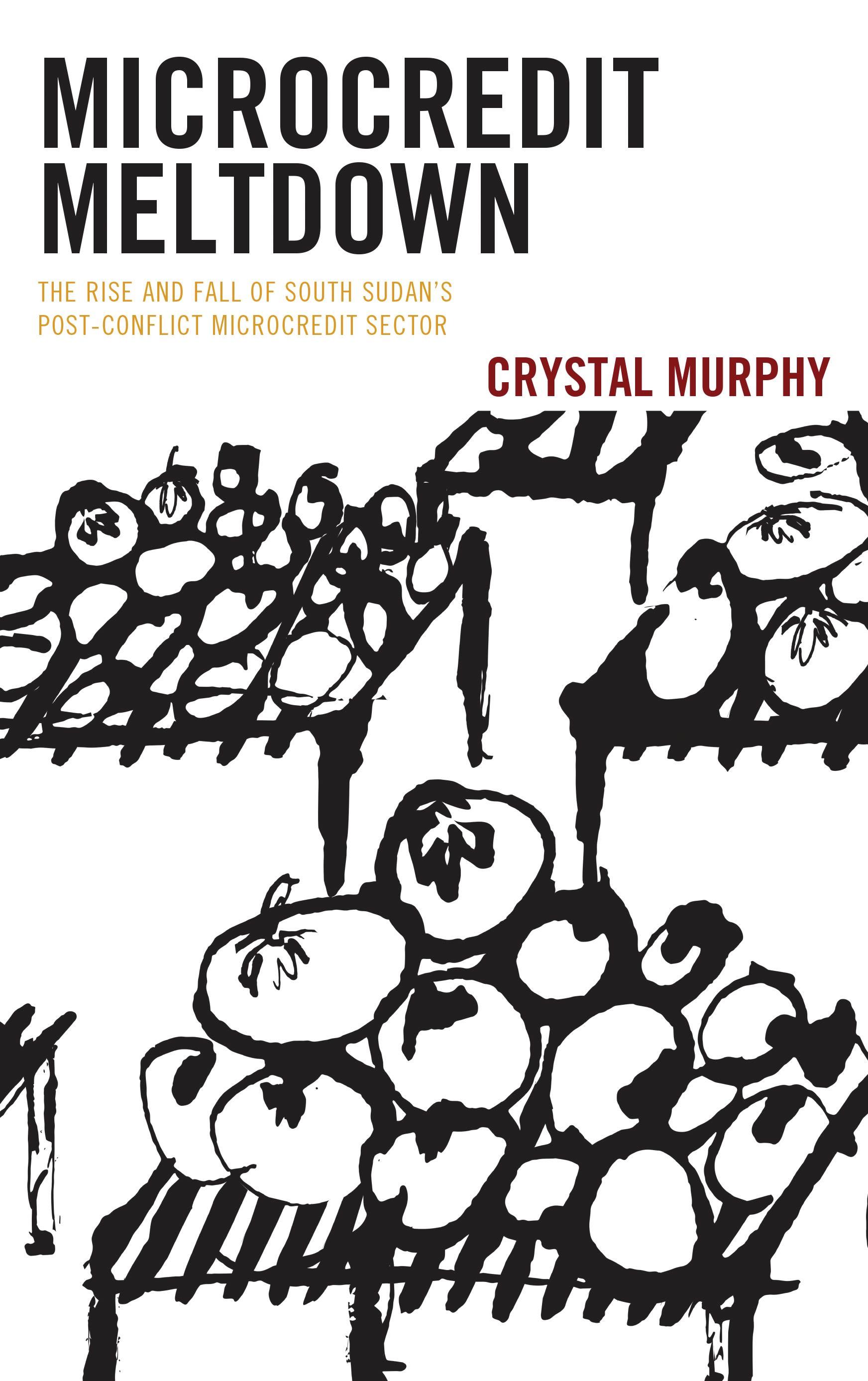
Established to help people jumpstart their lives and economy after over a half century of conflict, the South Sudanese microcredit sector collapsed in 2012, six years after its takeoff, to the detriment of some 80,000 participants. Microcredit Meltdown is an account of the ambitious launch and premature downfall of the Southern Sudanese microcredit industry.
Through a mixed methods ethnographic approach, the book charts the state and non-state actors that embarked upon economic development after war, the assumptions built into microlending, and the impact of ideologies and social norms on economic practice. The text compares industry theories with the experiences of borrowers and finds that microcredit failed in South Sudan due to false assumptions that were inapplicable to this post-conflict environment.
Yet the over promising and under-delivering commercial microcredit was not isolated to South Sudan or even post-conflict settings. The Juba microcredit story is an instance of the broader global shift toward the commercial microcredit model. Initiated to get badly needed capital into the hands of poor people, instead the focus became sustaining a lending program. The text shows how the ideological and material constraints of the commercial microcredit paradigm were woefully misaligned with local socio-cultural realities, and created the collapse in South Sudan.
Through a mixed methods ethnographic approach, the book charts the state and non-state actors that embarked upon economic development after war, the assumptions built into microlending, and the impact of ideologies and social norms on economic practice. The text compares industry theories with the experiences of borrowers and finds that microcredit failed in South Sudan due to false assumptions that were inapplicable to this post-conflict environment.
Yet the over promising and under-delivering commercial microcredit was not isolated to South Sudan or even post-conflict settings. The Juba microcredit story is an instance of the broader global shift toward the commercial microcredit model. Initiated to get badly needed capital into the hands of poor people, instead the focus became sustaining a lending program. The text shows how the ideological and material constraints of the commercial microcredit paradigm were woefully misaligned with local socio-cultural realities, and created the collapse in South Sudan.
Sidor: 298
Kategori: Ekonomi & Utveckling
e-ISBN: 9781498577397
Fraktvikt: 1.2 kg
Skickas inom: 1-2 dagar
Betala smidigt med kort, Klarna, Apple Pay eller Google Pay. Är du inte nöjd har du alltid 14 dagars ångerrätt. Läs mer i våra villkor. Har du några frågor, mejla oss på hello@memmo.org.
Memmo gör det enklare att plugga – var du än är i världen. Hos oss samlar du kursböcker och smarta studieverktyg på ett och samma ställe: sammanfattningar, quiz, poddar och flashcards. Och så Ted, din studiekompis som svarar på allt du undrar. Över 50 000 studenter pluggar redan här – byggt för att du ska lära dig snabbare och stressa mindre.