
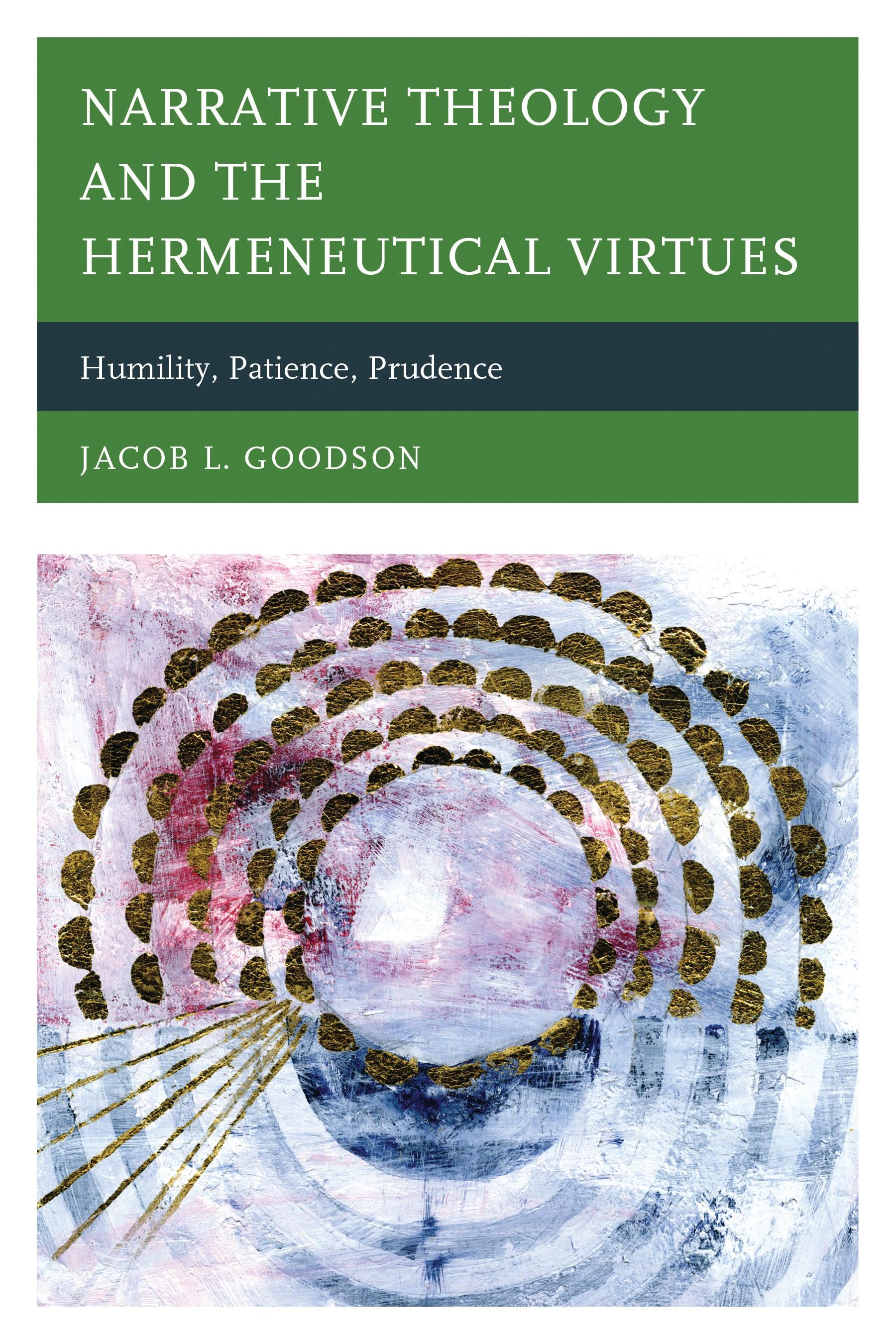
In Narrative Theology and the Hermeneutical Virtues: Humility, Patience, Prudence, Jacob L. Goodson offers a philosophical analysis of the arguments and tendencies of Hans Frei’s and Stanley Hauerwas’ narrative theologies. Narrative theology names a way of doing theology and thinking theologically that is part of a greater movement called “the return to Scripture.” The return to Scripture movement makes a case for Scripture as the proper object of study within Christian theology, philosophy of religion, and religious ethics. While thinkers within this movement agree that Scripture is the proper object of study within philosophy and religious studies, there is major disagreement over what the word “narrative” describes in narrative theology.
The Yale theologian, Hans Frei, argues that because Scripture is the proper object of study within Christian theology and the philosophy of religion, Scripture must be the exclusive object of study. To think theologically means paying as close attention as possible to the details of the biblical narratives in their “literal sense.” Different from Frei’s contentions, the Christian ethicist at Duke University, Stanley Hauerwas claims: if Scripture is the proper object of study within Christian theology, then the category of narrative teaches us that we ought to give our scholarly attention to the interpretations and performances of Scripture. Hauerwas emphasizes the continuity between the biblical narratives and the traditions of the church. This disagreement is best described as a hermeneutical one: Frei thinks that the primary place where interpretation happens is in the text; Hauerwas thinks that the primary place where interpretation occurs is in the community of interpreters.
In order to move beyond the dichotomy found between Frei’s and Hauerwas’ work, but to remain within the return to Scripture movement, Goodson constructs three hermeneutical virtues: humility, patience, and prudence. These virtues help professors and scholars within Christian theology, philosophy of religion, and religious ethics maintain objectivity in their fields of study.
The Yale theologian, Hans Frei, argues that because Scripture is the proper object of study within Christian theology and the philosophy of religion, Scripture must be the exclusive object of study. To think theologically means paying as close attention as possible to the details of the biblical narratives in their “literal sense.” Different from Frei’s contentions, the Christian ethicist at Duke University, Stanley Hauerwas claims: if Scripture is the proper object of study within Christian theology, then the category of narrative teaches us that we ought to give our scholarly attention to the interpretations and performances of Scripture. Hauerwas emphasizes the continuity between the biblical narratives and the traditions of the church. This disagreement is best described as a hermeneutical one: Frei thinks that the primary place where interpretation happens is in the text; Hauerwas thinks that the primary place where interpretation occurs is in the community of interpreters.
In order to move beyond the dichotomy found between Frei’s and Hauerwas’ work, but to remain within the return to Scripture movement, Goodson constructs three hermeneutical virtues: humility, patience, and prudence. These virtues help professors and scholars within Christian theology, philosophy of religion, and religious ethics maintain objectivity in their fields of study.
Betala smidigt med kort, Klarna, Apple Pay eller Google Pay. Är du inte nöjd har du alltid 14 dagars ångerrätt. Läs mer i våra villkor. Har du några frågor, mejla oss på hello@memmo.org.
Memmo gör det enklare att plugga – var du än är i världen. Hos oss samlar du kursböcker och smarta studieverktyg på ett och samma ställe: sammanfattningar, quiz, poddar och flashcards. Och så Ted, din studiekompis som svarar på allt du undrar. Över 50 000 studenter pluggar redan här – byggt för att du ska lära dig snabbare och stressa mindre.