
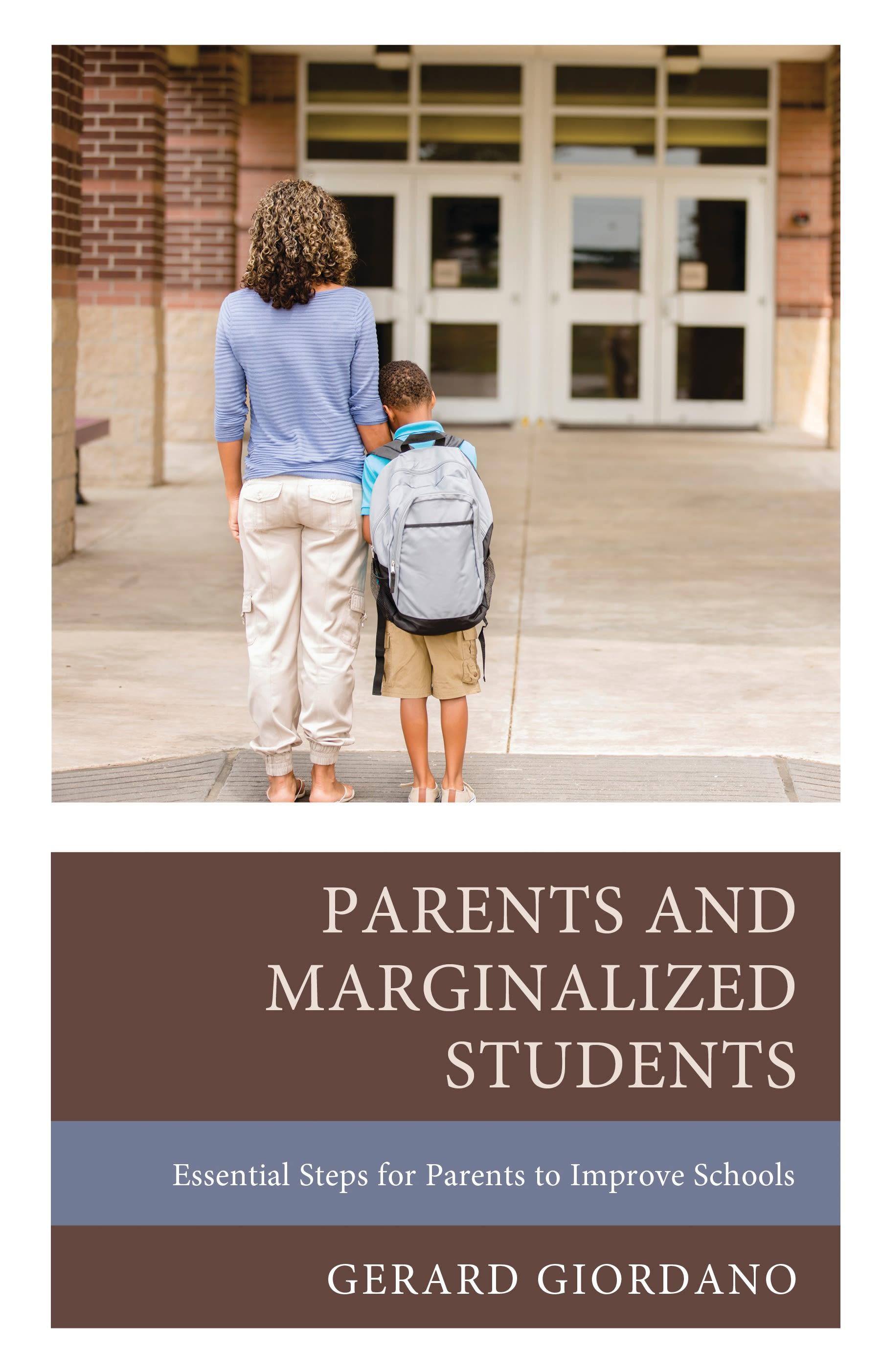
Parents worried that their children would be marginalized by their peers at school. They gave examples in which they were singled out because of their gender, race, ethnicity, sexual orientation, language, religion, or disabilities. They identified others who were picked out because of their family’s income, immigration status, association with the armed services, or attitudes towards medical issues. The parents were assured that changes were in the works to protect marginalized students. They reviewed changes to curricula, instruction, textbooks, disciplinary strategies, counseling techniques, tests, school-sponsored events, school terminology, athletic competitions, restroom policies, dress codes, disability policies, and extracurricular activities. Many parents had confidence in these changes. However, some were skeptical. The two groups argued with each other at local schoolboard meetings. They escalated their arguments after attracting the attention of journalists, scholars, and elected officials.
Betala smidigt med kort, Klarna, Apple Pay eller Google Pay. Är du inte nöjd har du alltid 14 dagars ångerrätt. Läs mer i våra villkor. Har du några frågor, mejla oss på hello@memmo.org.
Memmo gör det enklare att plugga – var du än är i världen. Hos oss samlar du kursböcker och smarta studieverktyg på ett och samma ställe: sammanfattningar, quiz, poddar och flashcards. Och så Ted, din studiekompis som svarar på allt du undrar. Över 50 000 studenter pluggar redan här – byggt för att du ska lära dig snabbare och stressa mindre.