
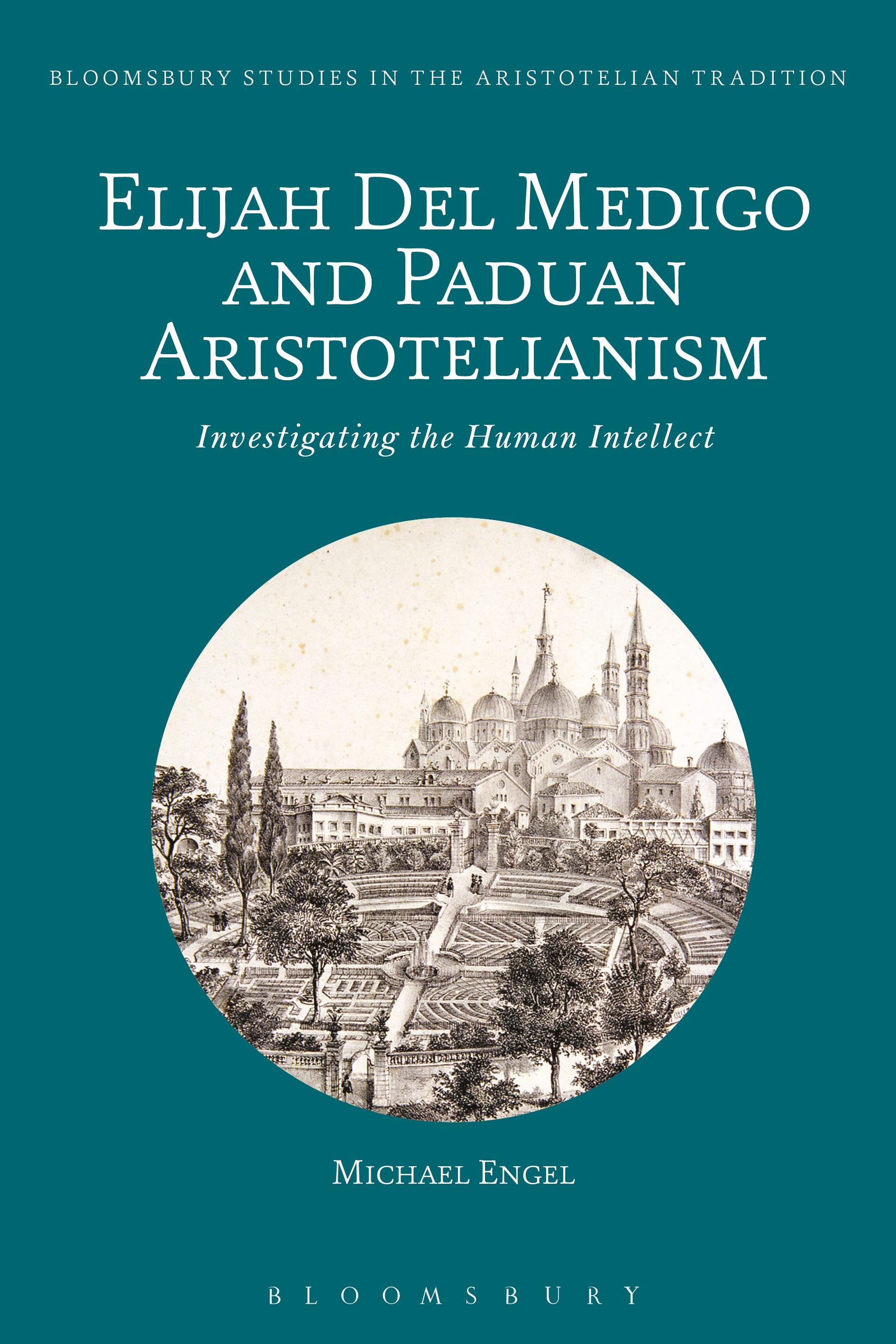
Elijah Del Medigo (1458-1493) was a Jewish Aristotelian philosopher living in Padua, whose work influenced many of the leading philosophers of the early Renaissance. His Two Investigations on the Nature of the Human Soul uses Aristotle's De anima to theorize on two of the most discussed and most controversial philosophical debates of the Renaissance: the nature of human intellect and the obtaining of immortality through intellectual perfection.
In this book, Michael Engel places Del Medigo's philosophical work and his ideas about the human intellect within the context of the wider Aristotelian tradition. Providing a detailed account of the unique blend of Hebrew, Islamic, Latin and Greek traditions that influenced the Two Investigations, Elijah Del Medigo and Paduan Aristotelianism provides an important contribution to our understanding of Renaissance Aristotelianisms and scholasticisms. In particular, through his defense of the Muslim philosopher Averroes' hotly debated interpretation of the De anima and his rejection of the moderate Latin Aristotelianism championed by the Christian Thomas Aquinas, Engel traces how Del Medigo's work on the human intellect contributed to the development of a major Aristotelian controversy.
Investigating the ways in which multicultural Aristotelian sources contributed to his own theory of a united human intellect, Elijah Del Medigo and Paduan Aristotelianism demonstrates the significant impact made by this Jewish philosopher on the history of the Aristotelian tradition.
In this book, Michael Engel places Del Medigo's philosophical work and his ideas about the human intellect within the context of the wider Aristotelian tradition. Providing a detailed account of the unique blend of Hebrew, Islamic, Latin and Greek traditions that influenced the Two Investigations, Elijah Del Medigo and Paduan Aristotelianism provides an important contribution to our understanding of Renaissance Aristotelianisms and scholasticisms. In particular, through his defense of the Muslim philosopher Averroes' hotly debated interpretation of the De anima and his rejection of the moderate Latin Aristotelianism championed by the Christian Thomas Aquinas, Engel traces how Del Medigo's work on the human intellect contributed to the development of a major Aristotelian controversy.
Investigating the ways in which multicultural Aristotelian sources contributed to his own theory of a united human intellect, Elijah Del Medigo and Paduan Aristotelianism demonstrates the significant impact made by this Jewish philosopher on the history of the Aristotelian tradition.
Betala smidigt med kort, Klarna, Apple Pay eller Google Pay. Är du inte nöjd har du alltid 14 dagars ångerrätt. Läs mer i våra villkor. Har du några frågor, mejla oss på hello@memmo.org.
Memmo gör det enklare att plugga – var du än är i världen. Hos oss samlar du kursböcker och smarta studieverktyg på ett och samma ställe: sammanfattningar, quiz, poddar och flashcards. Och så Ted, din studiekompis som svarar på allt du undrar. Över 50 000 studenter pluggar redan här – byggt för att du ska lära dig snabbare och stressa mindre.