
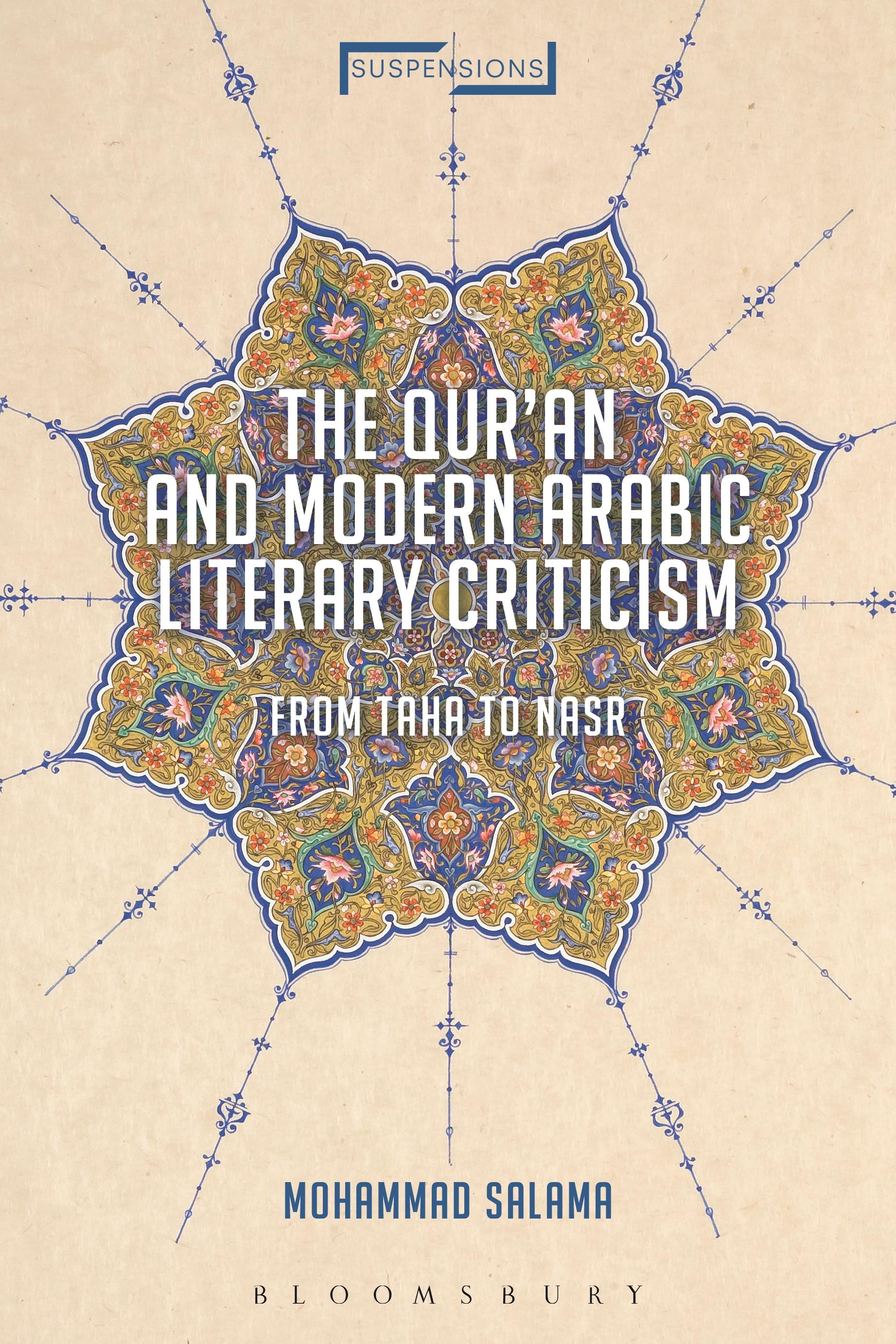
In The Qur'an and Modern Arabic Literary Criticism, Mohammad Salama navigates the labyrinthine semantics that underlie this sacred text and inform contemporary scholarship. The book presents reflections on Quranic exegesis by explaining - and distinguishing between - interpretation and explication. While the book focuses on Quranic and literary scholarship in twentieth-century Egypt from Taha Husayn to Nasr Hamid Abu Zayd, it also engages with an immense tradition of scholarship from the classical period to the present, including authors such as Abu 'Ubayda, Ibn 'Abbas, al-Razi, and al-Tabari.
Salama argues that, over the centuries, the Arabic language experienced semantic and phonological shifts, creating a lacuna in understanding the Qur'an and bringing contemporary readers under the spell of hermeneutical and parochial interpretations. He demonstrates that while this lacuna explains much of the intellectual poverty of traditionalist approaches to Quranic exegesis, the work of the modern Egyptian school of academics marks a sharp departure from the programmed conservatism of Islamist and Salafi exegetics. Through analyses of the writings of these intellectuals, the author shows that a fresh look at the sources and a revolutionary attempt to approach the Qur'an could render tradition itself an impetus for an alternative aesthetics-contextual, open, and unfolding.
Salama argues that, over the centuries, the Arabic language experienced semantic and phonological shifts, creating a lacuna in understanding the Qur'an and bringing contemporary readers under the spell of hermeneutical and parochial interpretations. He demonstrates that while this lacuna explains much of the intellectual poverty of traditionalist approaches to Quranic exegesis, the work of the modern Egyptian school of academics marks a sharp departure from the programmed conservatism of Islamist and Salafi exegetics. Through analyses of the writings of these intellectuals, the author shows that a fresh look at the sources and a revolutionary attempt to approach the Qur'an could render tradition itself an impetus for an alternative aesthetics-contextual, open, and unfolding.
Betala smidigt med kort, Klarna, Apple Pay eller Google Pay. Är du inte nöjd har du alltid 14 dagars ångerrätt. Läs mer i våra villkor. Har du några frågor, mejla oss på hello@memmo.org.
Memmo gör det enklare att plugga – var du än är i världen. Hos oss samlar du kursböcker och smarta studieverktyg på ett och samma ställe: sammanfattningar, quiz, poddar och flashcards. Och så Ted, din studiekompis som svarar på allt du undrar. Över 50 000 studenter pluggar redan här – byggt för att du ska lära dig snabbare och stressa mindre.