
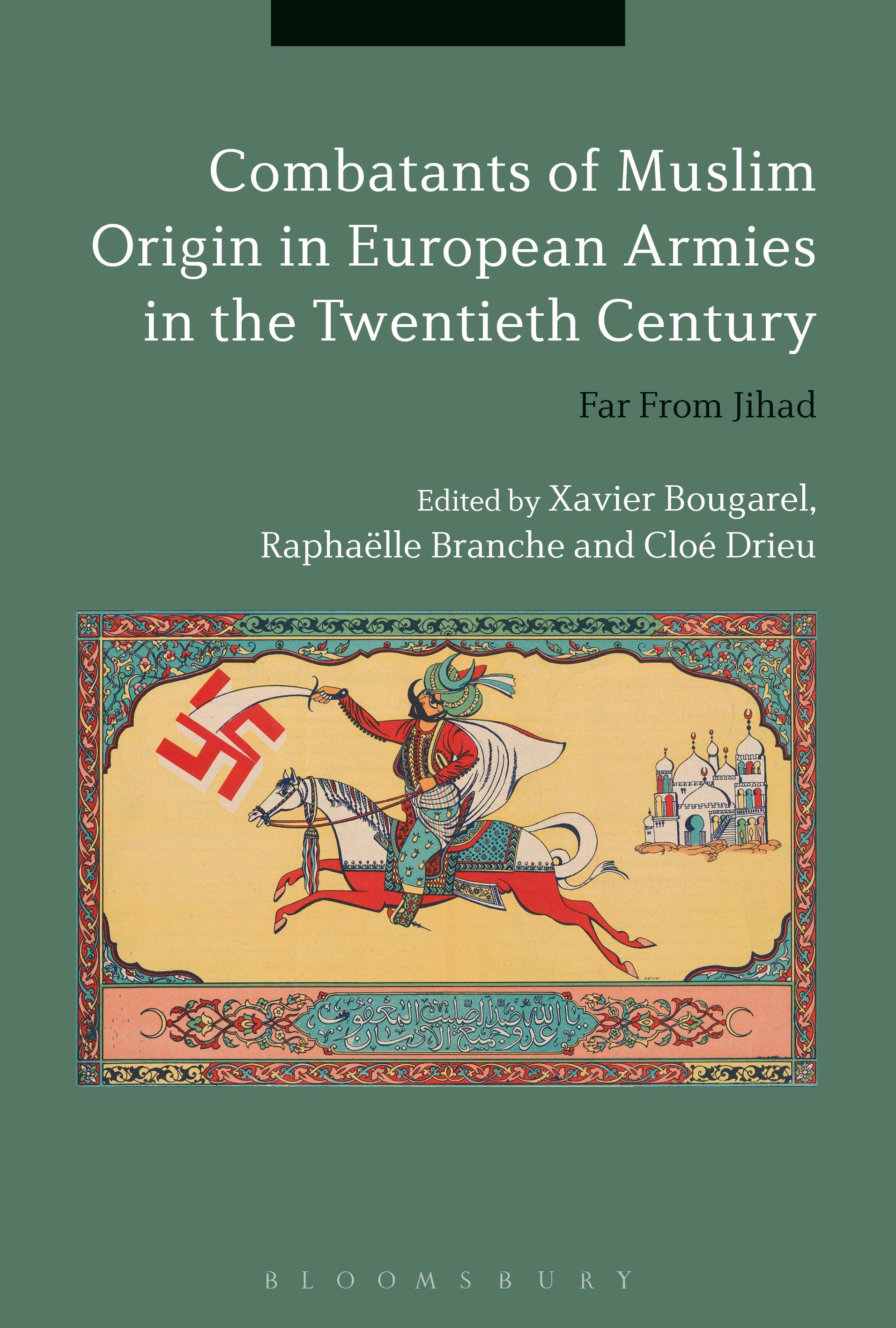
During the two World Wars that marked the 20th century, hundreds of thousands of non-European combatants fought in the ranks of various European armies. The majority of these soldiers were Muslims from North Africa, Sub-Saharan Africa, Central Asia, or the Indian Subcontinent.
How are these combatants considered in existing historiography? Over the past few decades, research on war has experienced a wide-reaching renewal, with increased emphasis on the social and cultural dimensions of war, and a desire to reconstruct the experience and viewpoint of the combatants themselves. This volume reintroduces the question of religious belonging and practice into the study of Muslim combatants in European armies in the 20th century, focusing on the combatants' viewpoint alongside that of the administrations and military hierarchy.
How are these combatants considered in existing historiography? Over the past few decades, research on war has experienced a wide-reaching renewal, with increased emphasis on the social and cultural dimensions of war, and a desire to reconstruct the experience and viewpoint of the combatants themselves. This volume reintroduces the question of religious belonging and practice into the study of Muslim combatants in European armies in the 20th century, focusing on the combatants' viewpoint alongside that of the administrations and military hierarchy.
Betala smidigt med kort, Klarna, Apple Pay eller Google Pay. Är du inte nöjd har du alltid 14 dagars ångerrätt. Läs mer i våra villkor. Har du några frågor, mejla oss på hello@memmo.org.
Memmo gör det enklare att plugga – var du än är i världen. Hos oss samlar du kursböcker och smarta studieverktyg på ett och samma ställe: sammanfattningar, quiz, poddar och flashcards. Och så Ted, din studiekompis som svarar på allt du undrar. Över 50 000 studenter pluggar redan här – byggt för att du ska lära dig snabbare och stressa mindre.