
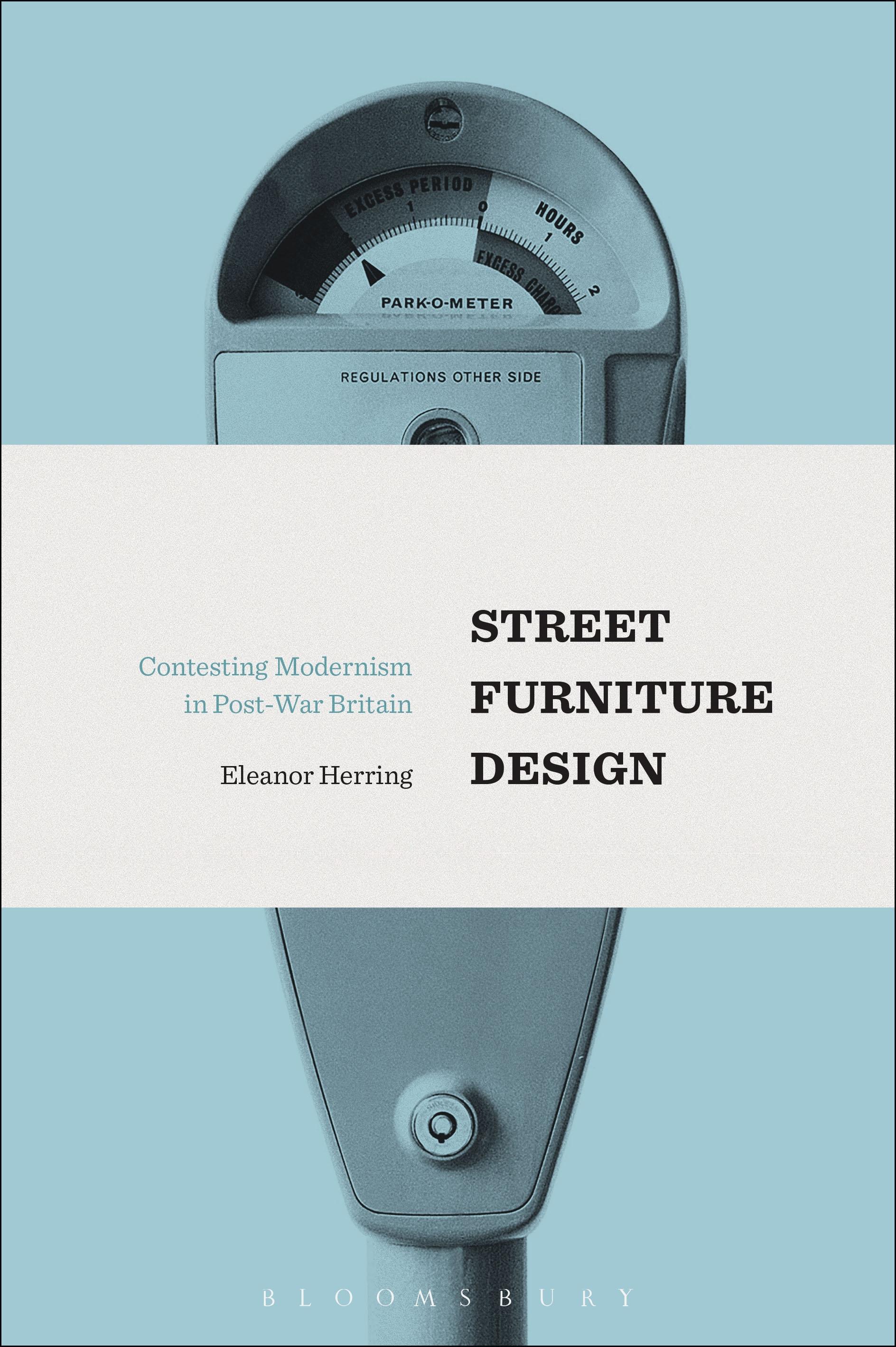
Eleanor Herring's unique study of street furniture in post-war Britain considers how objects which are now familiar parts of our urban environment were designed to populate public spaces. Herring explores the design of lampposts, post boxes, parking meters, and signage in the context of a government backed by various bodies keen to propagate 'good' modern design, in a Britain whose towns and cities had been laid waste by bombing and the privations of war.
She also considers the innate conservatism of local communities and councils, wary of a standardised street design imposed from above. She traces how the design of street furniture became the site of a fierce struggle which exposed deep-seated anxieties about class, taste and power. Herring's original research draws on archival material and on interviews with leading figures in urban design, including graphic designer Margaret Calvert and industrial designer Kenneth Grange.
She also considers the innate conservatism of local communities and councils, wary of a standardised street design imposed from above. She traces how the design of street furniture became the site of a fierce struggle which exposed deep-seated anxieties about class, taste and power. Herring's original research draws on archival material and on interviews with leading figures in urban design, including graphic designer Margaret Calvert and industrial designer Kenneth Grange.
Betala smidigt med kort, Klarna, Apple Pay eller Google Pay. Är du inte nöjd har du alltid 14 dagars ångerrätt. Läs mer i våra villkor. Har du några frågor, mejla oss på hello@memmo.org.
Memmo gör det enklare att plugga – var du än är i världen. Hos oss samlar du kursböcker och smarta studieverktyg på ett och samma ställe: sammanfattningar, quiz, poddar och flashcards. Och så Ted, din studiekompis som svarar på allt du undrar. Över 75 000 studenter pluggar redan här – byggt för att du ska lära dig snabbare och stressa mindre.