
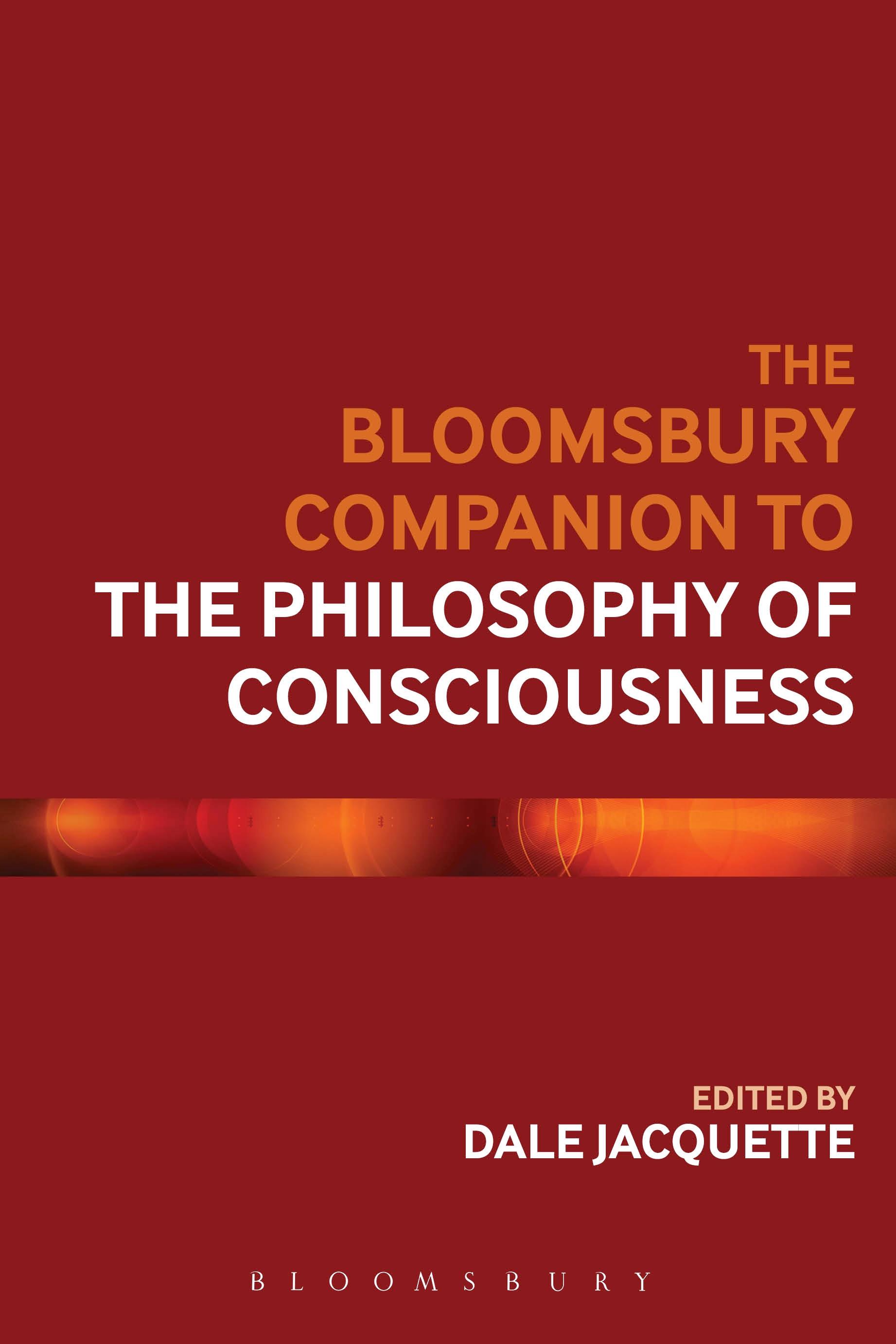
From Descartes and Cartesian mind-body dualism in the 17th century though to 21st-century concerns about artificial intelligence programming, The Bloomsbury Companion to the Philosophy of Consciousness presents a compelling history and up-to-date overview of this burgeoning subject area.
Acknowledging that many of the original concepts of consciousness studies are found in writings of past thinkers, it begins with introductory overviews to the thought of Descartes through to Kant, covering Brentano's restoration of empiricism to philosophical psychology and the major figures of the late 19th and early 20th centuries: Russell, Wittgenstein, Ryle and James. These opening chapters on the forces in the history of consciousness lay the groundwork needed to understand how influential contemporary thinkers in the philosophy of mind interpret the concept of consciousness.
Featuring leading figures in the field, Part II discusses current issues in a range of topics progressing from the so-called hard problem of understanding the nature of consciousness, to the methodology of invoking the possibility of philosophical zombies and the prospects of reductivism in philosophy of mind. Part III is dedicated to new research directions in the philosophy of consciousness, including chapters on experiment objections to functionalism and the scope and limits of artificial intelligence.
Equipped with practical research resources including an annotated bibliography, a research guide and a glossary, The Bloomsbury Companion to the Philosophy of Consciousness is an authoritative guide for studying the past, present and future of consciousness.
Acknowledging that many of the original concepts of consciousness studies are found in writings of past thinkers, it begins with introductory overviews to the thought of Descartes through to Kant, covering Brentano's restoration of empiricism to philosophical psychology and the major figures of the late 19th and early 20th centuries: Russell, Wittgenstein, Ryle and James. These opening chapters on the forces in the history of consciousness lay the groundwork needed to understand how influential contemporary thinkers in the philosophy of mind interpret the concept of consciousness.
Featuring leading figures in the field, Part II discusses current issues in a range of topics progressing from the so-called hard problem of understanding the nature of consciousness, to the methodology of invoking the possibility of philosophical zombies and the prospects of reductivism in philosophy of mind. Part III is dedicated to new research directions in the philosophy of consciousness, including chapters on experiment objections to functionalism and the scope and limits of artificial intelligence.
Equipped with practical research resources including an annotated bibliography, a research guide and a glossary, The Bloomsbury Companion to the Philosophy of Consciousness is an authoritative guide for studying the past, present and future of consciousness.
Betala smidigt med kort, Klarna, Apple Pay eller Google Pay. Är du inte nöjd har du alltid 14 dagars ångerrätt. Läs mer i våra villkor. Har du några frågor, mejla oss på hello@memmo.org.
Memmo gör det enklare att plugga – var du än är i världen. Hos oss samlar du kursböcker och smarta studieverktyg på ett och samma ställe: sammanfattningar, quiz, poddar och flashcards. Och så Ted, din studiekompis som svarar på allt du undrar. Över 50 000 studenter pluggar redan här – byggt för att du ska lära dig snabbare och stressa mindre.