
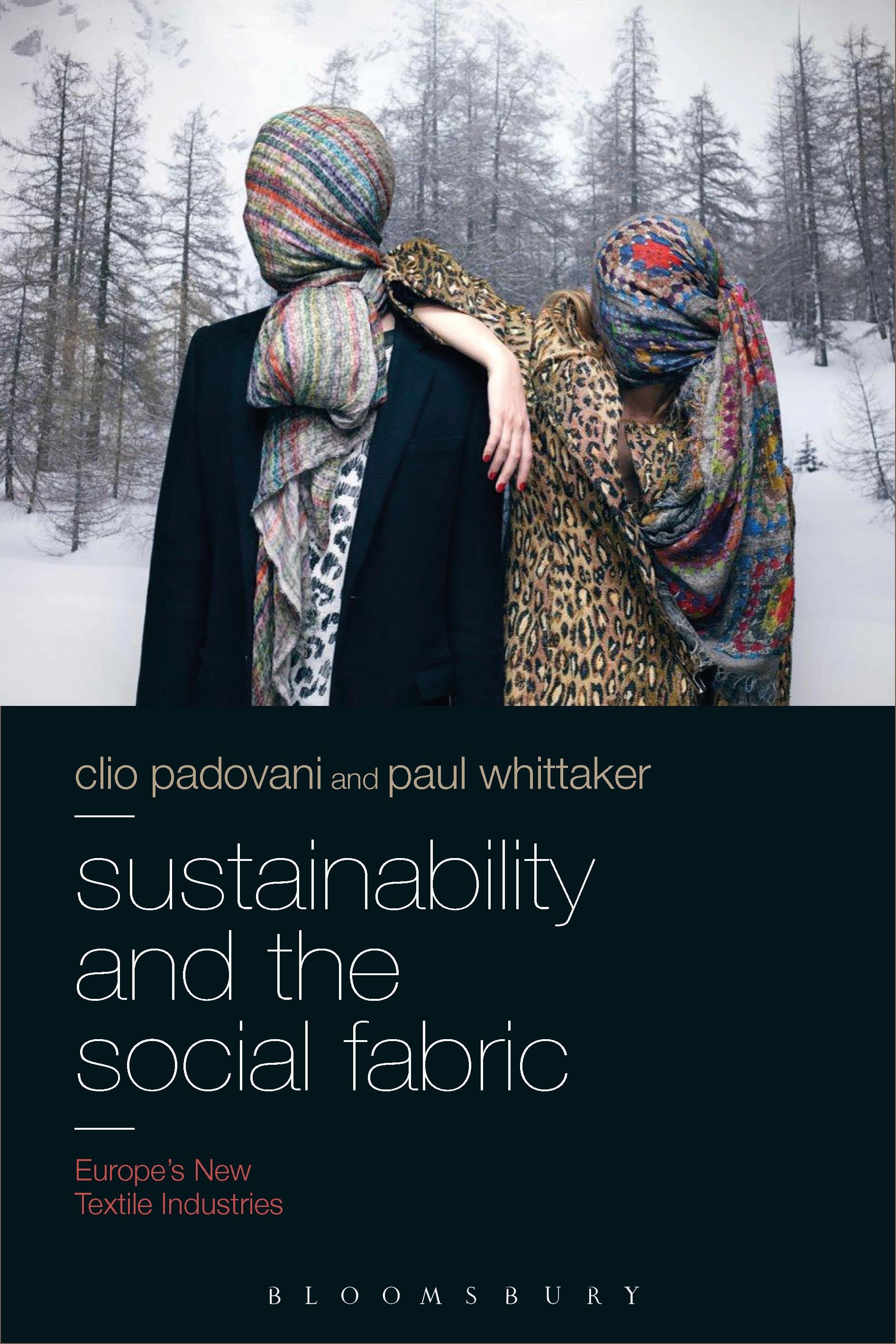
While the topic of sustainability in textile manufacture has been the subject of considerable research, much of this is limited to a focus on materials and practices and their ecological impact. Padovani and Whittaker offer a unique exploration of the textile industry in Europe from the perspective of social sustainability, shifting the focus from the materiality of textile production to the industry's relationships with the communities from which the products originate.
Featuring six in-depth case studies from design entrepreneurs, artisans and textile businesses around Europe, from Harris Tweed in Scotland to luxury woollen mills in Italy, Sustainability and the Social Fabric explores how new centres of textile manufacturing have emerged from the economic decline in 2008, responding creatively and producing socially inclusive approaches to textile production. Case studies each represent a different approach to social sustainability and are supported by interviews with industry leaders and comparisons to the global textile industry. Demonstrating how some companies are rebuilding the local social fabric to encourage consumer participation through education, enterprise, health and wellbeing, the book suggests innovative business models that are economically successful and also, in turn, support wider societal issues.
Essential reading for students of textiles, fashion, design and related subjects, this book will demonstrate how a business ecosystem that focuses on inclusive growth and social innovation can lead to sustained mutual benefit for textile industries and their local communities.
Featuring six in-depth case studies from design entrepreneurs, artisans and textile businesses around Europe, from Harris Tweed in Scotland to luxury woollen mills in Italy, Sustainability and the Social Fabric explores how new centres of textile manufacturing have emerged from the economic decline in 2008, responding creatively and producing socially inclusive approaches to textile production. Case studies each represent a different approach to social sustainability and are supported by interviews with industry leaders and comparisons to the global textile industry. Demonstrating how some companies are rebuilding the local social fabric to encourage consumer participation through education, enterprise, health and wellbeing, the book suggests innovative business models that are economically successful and also, in turn, support wider societal issues.
Essential reading for students of textiles, fashion, design and related subjects, this book will demonstrate how a business ecosystem that focuses on inclusive growth and social innovation can lead to sustained mutual benefit for textile industries and their local communities.
Betala smidigt med kort, Klarna, Apple Pay eller Google Pay. Är du inte nöjd har du alltid 14 dagars ångerrätt. Läs mer i våra villkor. Har du några frågor, mejla oss på hello@memmo.org.
Memmo gör det enklare att plugga – var du än är i världen. Hos oss samlar du kursböcker och smarta studieverktyg på ett och samma ställe: sammanfattningar, quiz, poddar och flashcards. Och så Ted, din studiekompis som svarar på allt du undrar. Över 50 000 studenter pluggar redan här – byggt för att du ska lära dig snabbare och stressa mindre.