
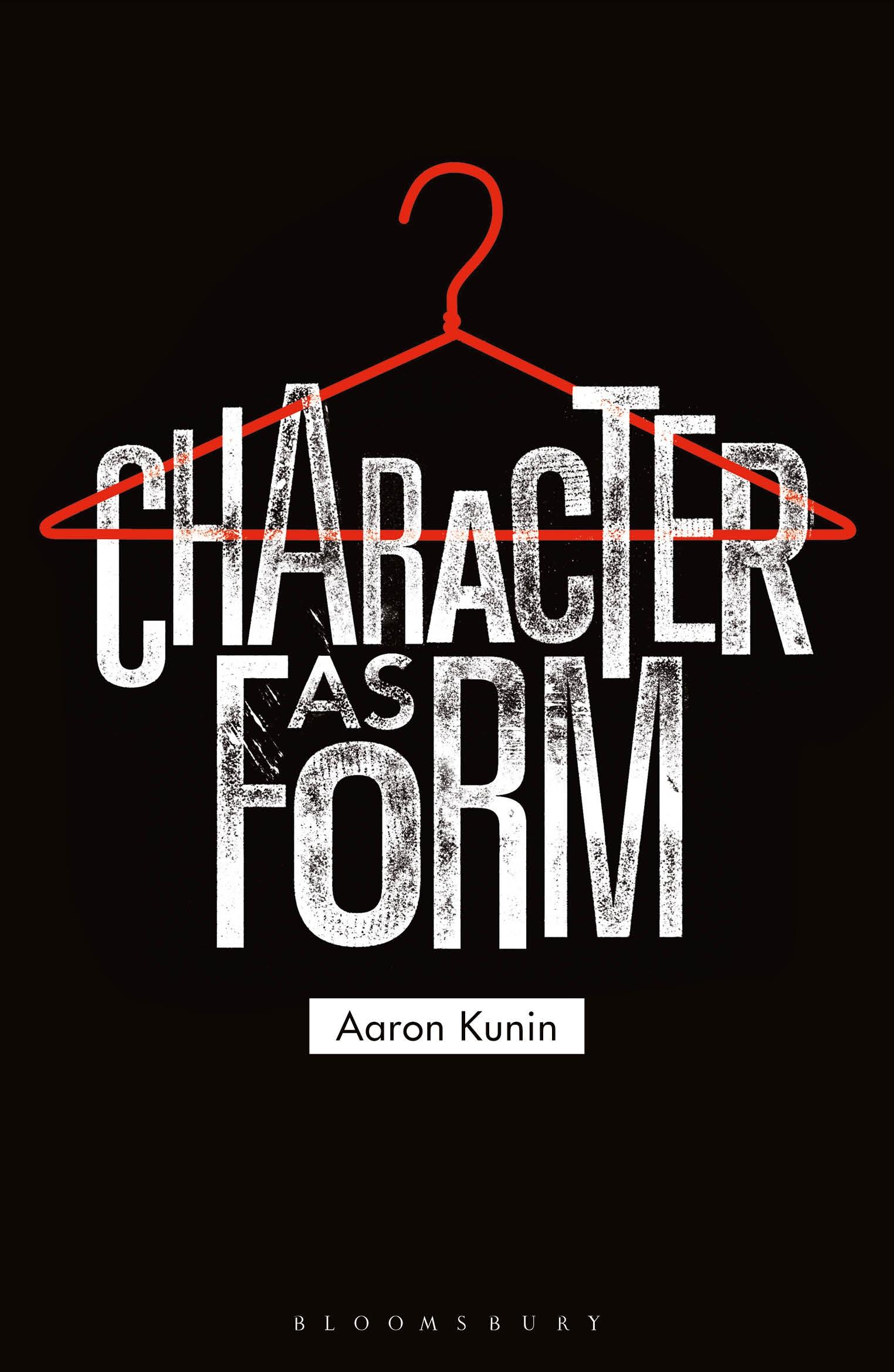
What if the Renaissance had the right idea about character? Most readers today think that characters are individuals. Poets of the Renaissance understood characters as types. They thought the job of a character was to collect every example of a kind, in the same way that an entry in a dictionary collects definitions of a word.
Character as Form celebrates the old meaning of character. The advantage of the old meaning is that it allows for generalization. Characters funnel whole societies of beings into shapes that are compact, elegant, and portable.
This book tests the old meaning of character against modern examples from poems, novels, comics, and performances in theater and film by Shakespeare, Molière, Austen, the Marx Brothers, Raul Ruiz, Denton Welch, and Lynda Barry. The heart of the book is the character of the misanthrope, who, in Shakespeare's phrase, “banishes the world.”
Character as Form celebrates the old meaning of character. The advantage of the old meaning is that it allows for generalization. Characters funnel whole societies of beings into shapes that are compact, elegant, and portable.
This book tests the old meaning of character against modern examples from poems, novels, comics, and performances in theater and film by Shakespeare, Molière, Austen, the Marx Brothers, Raul Ruiz, Denton Welch, and Lynda Barry. The heart of the book is the character of the misanthrope, who, in Shakespeare's phrase, “banishes the world.”
Betala smidigt med kort, Klarna, Apple Pay eller Google Pay. Är du inte nöjd har du alltid 14 dagars ångerrätt. Läs mer i våra villkor. Har du några frågor, mejla oss på hello@memmo.org.
Memmo gör det enklare att plugga – var du än är i världen. Hos oss samlar du kursböcker och smarta studieverktyg på ett och samma ställe: sammanfattningar, quiz, poddar och flashcards. Och så Ted, din studiekompis som svarar på allt du undrar. Över 50 000 studenter pluggar redan här – byggt för att du ska lära dig snabbare och stressa mindre.