
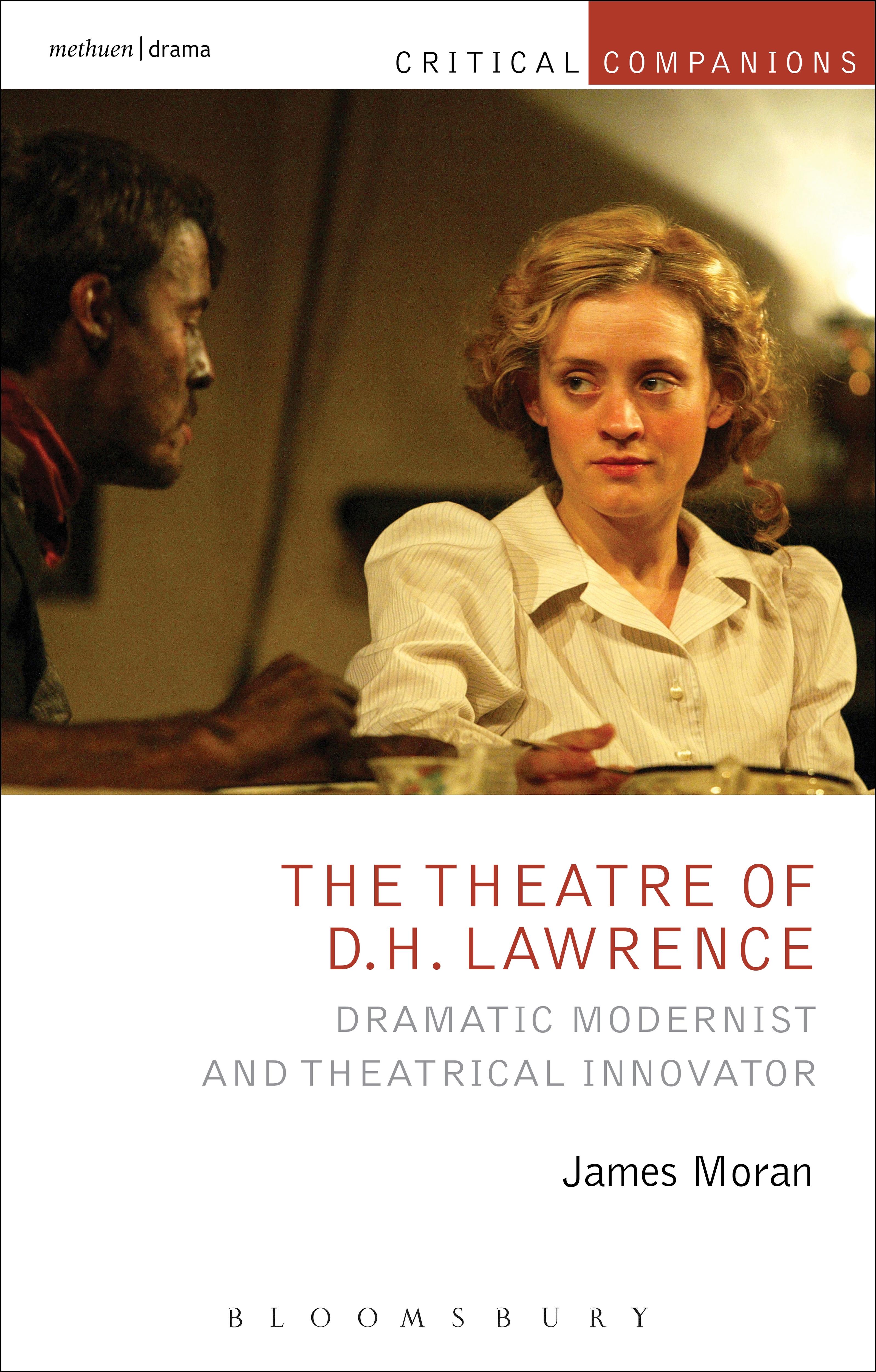
This is the first major book-length study for four decades to examine the plays written by D. H. Lawrence, and the first ever book to give an in-depth analysis of Lawrence's interaction with the theatre industry during the early twentieth century. It connects and examines his performance texts, and explores his reaction to a wide-range of theatre (from the sensation dramas of working-class Eastwood to the ritual performances of the Pueblo people) in order to explain Lawrence's contribution to modern drama.
F. R. Leavis influentially labelled the writer 'D. H. Lawrence: Novelist'. But this book foregrounds Lawrence's career as a playwright, exploring unfamiliar contexts and manuscripts, and drawing particular attention to his three most successful works: The Widowing of Mrs Holroyd, The Daughter-in-Law, and A Collier's Friday Night. It examines how Lawrence's novels are suffused with theatrical thinking, revealing how Lawrence's fictions – from his first published work to the last story that he wrote before his death – continually take inspiration from the playhouse.
The book also argues that, although Lawrence has sometimes been dismissed as a restrictively naturalistic stage writer, his overall oeuvre shows a consistent concern with theatrical experiment, and manifests affinities with the dramatic thinking of modernist figures including Brecht, Artaud, and Joyce. In a final section, the book includes contributions from influential theatre-makers who have taken their own cue from Lawrence's work, and who have created original work that consciously follows Lawrence in making working-class life central to the public forum of the theatre stage.
F. R. Leavis influentially labelled the writer 'D. H. Lawrence: Novelist'. But this book foregrounds Lawrence's career as a playwright, exploring unfamiliar contexts and manuscripts, and drawing particular attention to his three most successful works: The Widowing of Mrs Holroyd, The Daughter-in-Law, and A Collier's Friday Night. It examines how Lawrence's novels are suffused with theatrical thinking, revealing how Lawrence's fictions – from his first published work to the last story that he wrote before his death – continually take inspiration from the playhouse.
The book also argues that, although Lawrence has sometimes been dismissed as a restrictively naturalistic stage writer, his overall oeuvre shows a consistent concern with theatrical experiment, and manifests affinities with the dramatic thinking of modernist figures including Brecht, Artaud, and Joyce. In a final section, the book includes contributions from influential theatre-makers who have taken their own cue from Lawrence's work, and who have created original work that consciously follows Lawrence in making working-class life central to the public forum of the theatre stage.
Sidor: 264
Kategori: Drama, Teater & Scenkonst
e-ISBN: 9781472570390
Fraktvikt: 1.2 kg
Skickas inom: 1-2 dagar
Betala smidigt med kort, Klarna, Apple Pay eller Google Pay. Är du inte nöjd har du alltid 14 dagars ångerrätt. Läs mer i våra villkor. Har du några frågor, mejla oss på hello@memmo.org.
Memmo gör det enklare att plugga – var du än är i världen. Hos oss samlar du kursböcker och smarta studieverktyg på ett och samma ställe: sammanfattningar, quiz, poddar och flashcards. Och så Ted, din studiekompis som svarar på allt du undrar. Över 50 000 studenter pluggar redan här – byggt för att du ska lära dig snabbare och stressa mindre.