
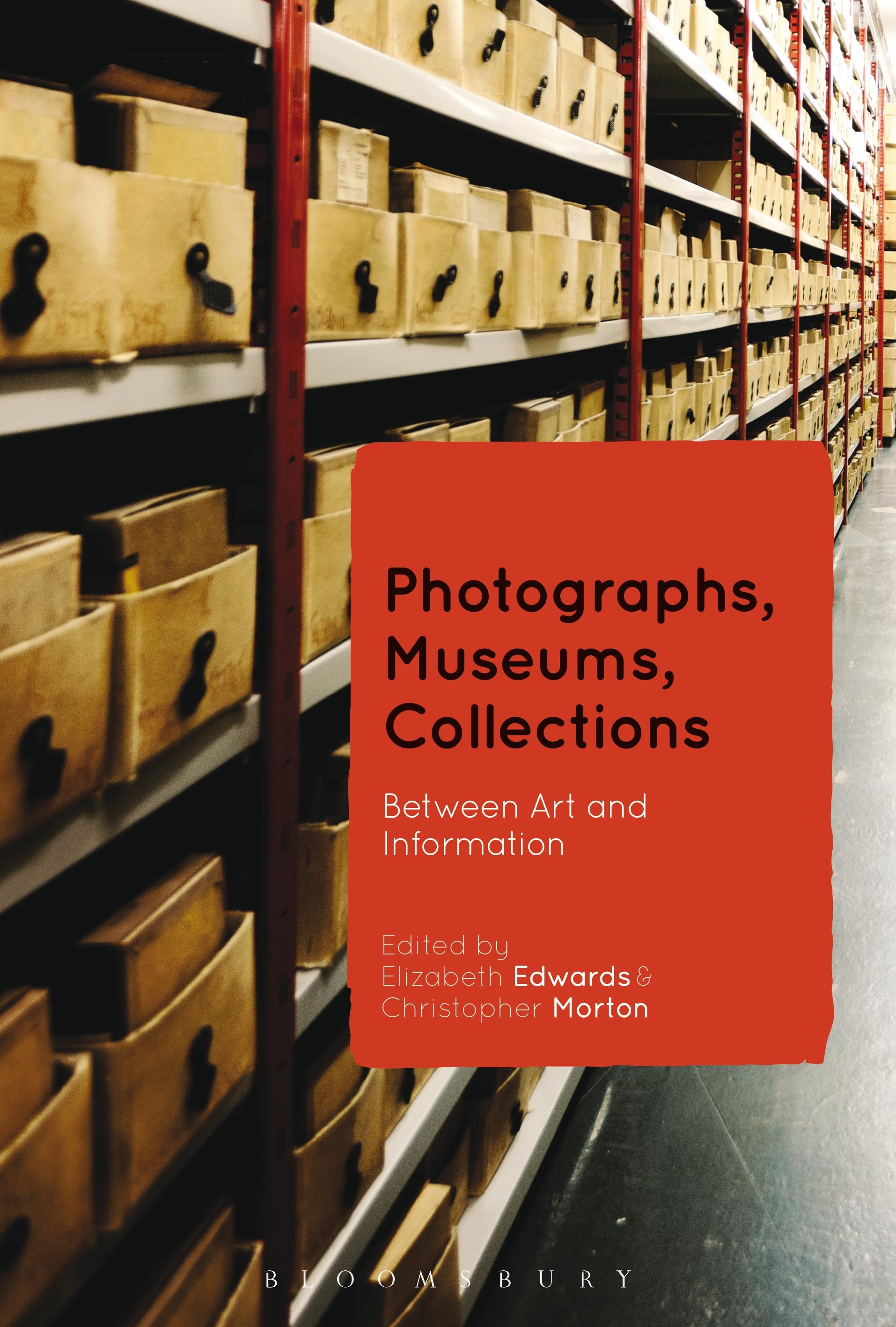
The status of photographs in the history of museum collections is a complex one. From its very beginnings the double capacity of photography - as a tool for making a visual record on the one hand and an aesthetic form in its own right on the other - has created tensions about its place in the hierarchy of museum objects. While major collections of 'art' photography have grown in status and visibility, photographs not designated 'art' are often invisible in museums. Yet almost every museum has photographs as part of its ecosystem, gathered as information, corroboration or documentation, shaping the understanding of other classes of objects, and many of these collections remain uncatalogued and their significance unrecognised.
This volume presents a series of case studies on the historical collecting and usage of photographs in museums. Using critically informed empirical investigation, it explores substantive and historiographical questions such as what is the historical patterning in the way photographs have been produced, collected and retained by museums? How do categories of the aesthetic and evidential shape the history of collecting photographs? What has been the work of photographs in museums? What does an understanding of photograph collections add to our understanding of collections history more broadly? What are the methodological demands of research on photograph collections?
The case studies cover a wide range of museums and collection types, from art galleries to maritime museums, national collections to local history museums, and international perspectives including Cuba, France, Germany, New Zealand, South Africa and the UK. Together they offer a fascinating insight into both the history of collections and collecting, and into the practices and poetics of archives across a range of disciplines, including the history of science, museum studies, archaeology and anthropology.
This volume presents a series of case studies on the historical collecting and usage of photographs in museums. Using critically informed empirical investigation, it explores substantive and historiographical questions such as what is the historical patterning in the way photographs have been produced, collected and retained by museums? How do categories of the aesthetic and evidential shape the history of collecting photographs? What has been the work of photographs in museums? What does an understanding of photograph collections add to our understanding of collections history more broadly? What are the methodological demands of research on photograph collections?
The case studies cover a wide range of museums and collection types, from art galleries to maritime museums, national collections to local history museums, and international perspectives including Cuba, France, Germany, New Zealand, South Africa and the UK. Together they offer a fascinating insight into both the history of collections and collecting, and into the practices and poetics of archives across a range of disciplines, including the history of science, museum studies, archaeology and anthropology.
Betala smidigt med kort, Klarna, Apple Pay eller Google Pay. Är du inte nöjd har du alltid 14 dagars ångerrätt. Läs mer i våra villkor. Har du några frågor, mejla oss på hello@memmo.org.
Memmo gör det enklare att plugga – var du än är i världen. Hos oss samlar du kursböcker och smarta studieverktyg på ett och samma ställe: sammanfattningar, quiz, poddar och flashcards. Och så Ted, din studiekompis som svarar på allt du undrar. Över 75 000 studenter pluggar redan här – byggt för att du ska lära dig snabbare och stressa mindre.