
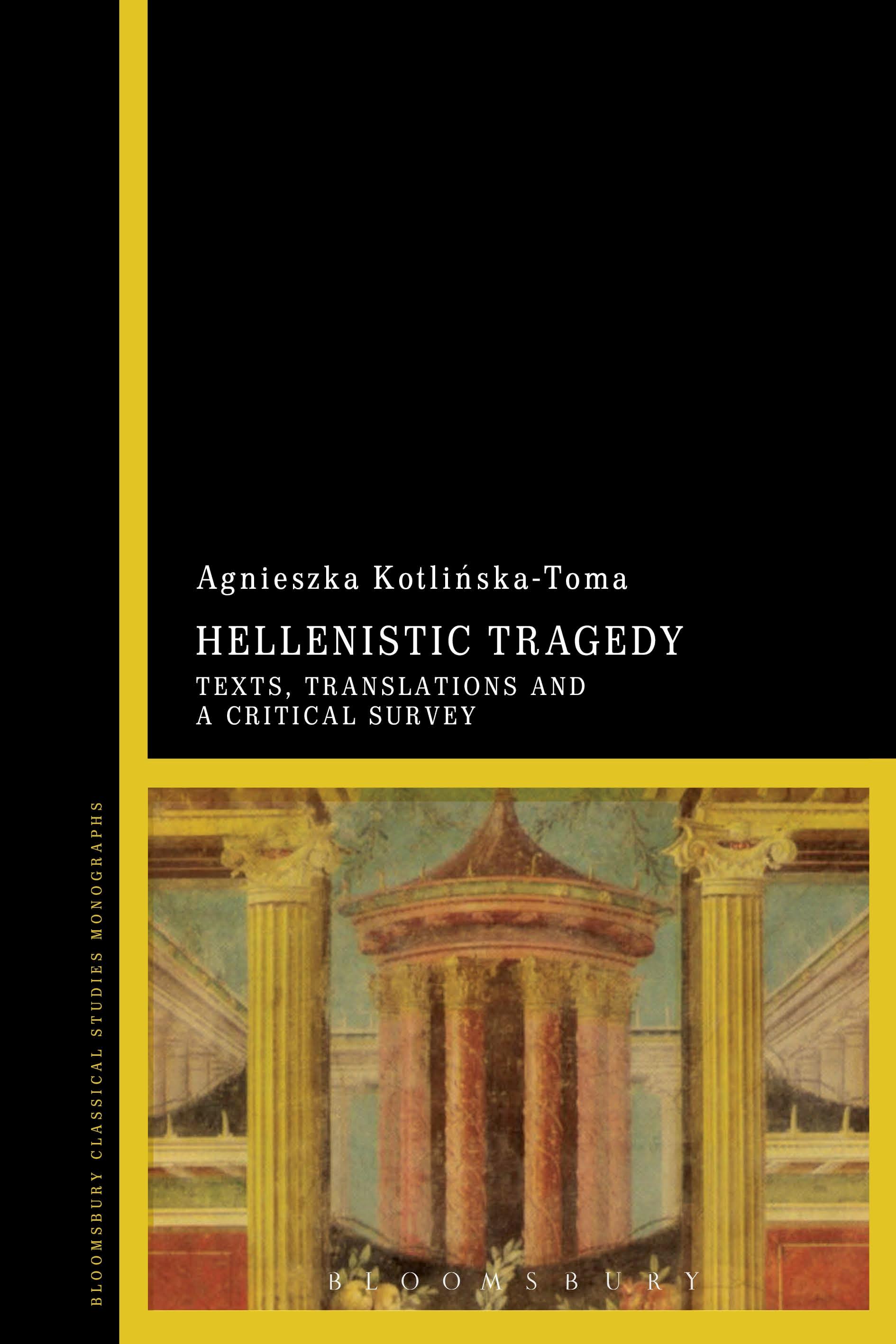
Ancient Greek tragedy is ubiquitously studied and researched, but is generally considered to have ended, as it began, in the fifth century BC. However, plays continued to be written and staged in the Greek world for centuries, enjoying a period of unprecedented popularity and changing significantly from the better known Classical drama. Hellenistic drama also heavily influenced the birth of Roman tragedy and the development of other theatrical forms and literature (including comedies, mime and Greek romance).
Hellenistic Tragedy: Texts, Translations and a Critical Survey offers a comprehensive picture of tragedy and the satyr play from the fourth century BCE. The surviving fragments of this dramatic genre are presented, alongside English translations and critical analysis, as well as a survey of the main writers involved and an exploration of the genre's formation, later influence and staging.
Key features of the plays are analysed through extant texts and other evidence, including plots based on contemporary political themes, mythical subjects and Biblical themes, and features of metre and language. Practical elements of Hellenistic performance are also discussed, including those which have become the hallmarks of ancient theatre: actors' costumes of long robes, kothurnoi and high onkos-masks, the theatre building and the closed stage on the logeion. Piecing together a synthetic picture of Hellenistic tragedy and the satyr play, the volume also examines the key points of departure from earlier drama, including the mass audience, the mutual influence of Greek and Eastern traditions and the changes inside the genre which prove Hellenistic drama was an important stage in the development of the European theatre.
Hellenistic Tragedy: Texts, Translations and a Critical Survey offers a comprehensive picture of tragedy and the satyr play from the fourth century BCE. The surviving fragments of this dramatic genre are presented, alongside English translations and critical analysis, as well as a survey of the main writers involved and an exploration of the genre's formation, later influence and staging.
Key features of the plays are analysed through extant texts and other evidence, including plots based on contemporary political themes, mythical subjects and Biblical themes, and features of metre and language. Practical elements of Hellenistic performance are also discussed, including those which have become the hallmarks of ancient theatre: actors' costumes of long robes, kothurnoi and high onkos-masks, the theatre building and the closed stage on the logeion. Piecing together a synthetic picture of Hellenistic tragedy and the satyr play, the volume also examines the key points of departure from earlier drama, including the mass audience, the mutual influence of Greek and Eastern traditions and the changes inside the genre which prove Hellenistic drama was an important stage in the development of the European theatre.
Betala smidigt med kort, Klarna, Apple Pay eller Google Pay. Är du inte nöjd har du alltid 14 dagars ångerrätt. Läs mer i våra villkor. Har du några frågor, mejla oss på hello@memmo.org.
Memmo gör det enklare att plugga – var du än är i världen. Hos oss samlar du kursböcker och smarta studieverktyg på ett och samma ställe: sammanfattningar, quiz, poddar och flashcards. Och så Ted, din studiekompis som svarar på allt du undrar. Över 50 000 studenter pluggar redan här – byggt för att du ska lära dig snabbare och stressa mindre.