
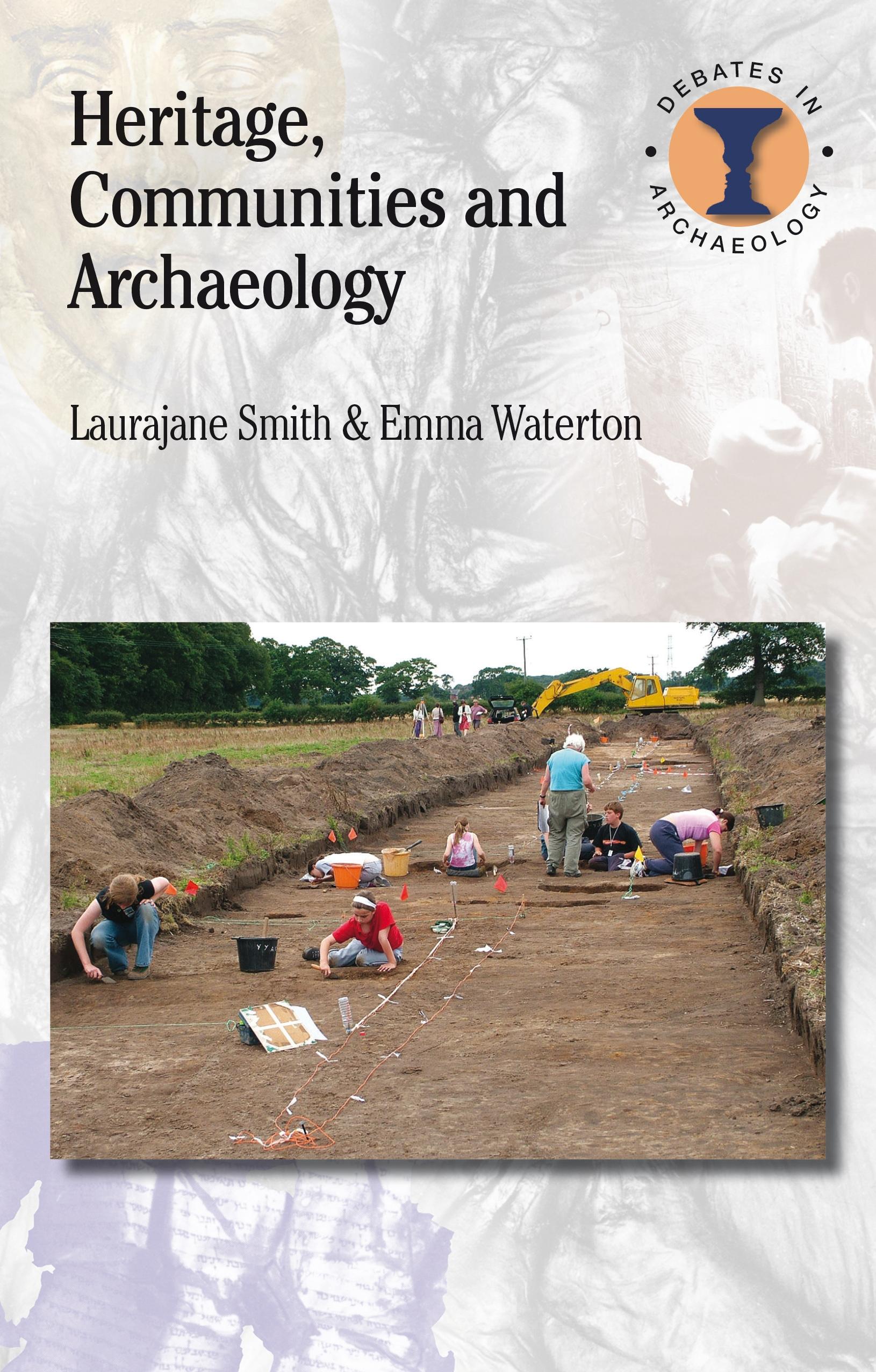
This book traces the development of 'community archaeology', identifying both its advantages and disadvantages by describing how and why tensions have arisen between archaeological and community understandings of the past. The focus of this book is the conceptual disjunction between heritage and data and the problems this poses for both archaeologists and communities in communicating and engaging with each other. In order to explain the extent of the miscommunication that can occur, the authors examine the ways in which a range of community groups, including communities of expertise, define and negotiate memory and identity. Importantly, they explore the ways in which these expressions are used, or are taken up, in struggles over cultural recognition - and ultimately, the practical, ethical, political and theoretical implications this has for archaeologists engaging in community work. Finally, they argue that there are very real advantages for archaeological research, theory and practice to be gained from engaging with communities.
Betala smidigt med kort, Klarna, Apple Pay eller Google Pay. Är du inte nöjd har du alltid 14 dagars ångerrätt. Läs mer i våra villkor. Har du några frågor, mejla oss på hello@memmo.org.
Memmo gör det enklare att plugga – var du än är i världen. Hos oss samlar du kursböcker och smarta studieverktyg på ett och samma ställe: sammanfattningar, quiz, poddar och flashcards. Och så Ted, din studiekompis som svarar på allt du undrar. Över 50 000 studenter pluggar redan här – byggt för att du ska lära dig snabbare och stressa mindre.