
The casualty rates of the First World War were unprecedented: approximately 10 million combatants were wounded from Britain, France and Germany alone. In consequence, military-medical services expanded and the war ensured that medical professionals became firmly embedded within the armed services. In a situation of total war civilians on the home front came into more contact than before with medical professionals, and even pacifists played a significant medical role.
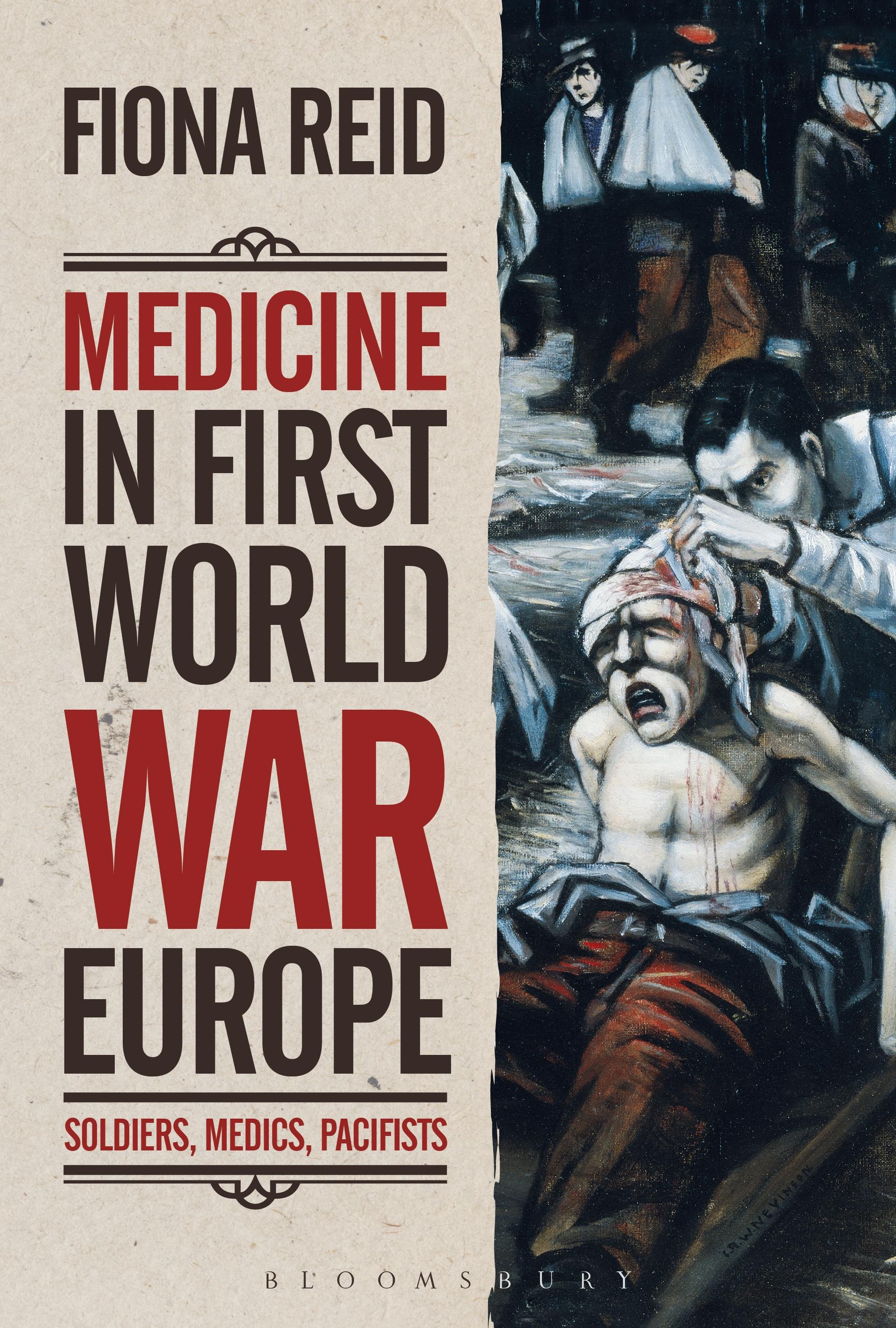
Medicine in First World War Europe re-visits the casualty clearing stations and the hospitals of the First World War, and tells the stories of those who were most directly involved: doctors, nurses, wounded men and their families. Fiona Reid explains how military medicine interacts with the concerns, the cultures and the behaviours of the civilian world, treating the history of wartime military medicine as an integral part of the wider social and cultural history of the First World War.
Medicine in First World War Europe re-visits the casualty clearing stations and the hospitals of the First World War, and tells the stories of those who were most directly involved: doctors, nurses, wounded men and their families. Fiona Reid explains how military medicine interacts with the concerns, the cultures and the behaviours of the civilian world, treating the history of wartime military medicine as an integral part of the wider social and cultural history of the First World War.
Betala smidigt med kort, Klarna, Apple Pay eller Google Pay. Är du inte nöjd har du alltid 14 dagars ångerrätt. Läs mer i våra villkor. Har du några frågor, mejla oss på hello@memmo.org.
Memmo gör det enklare att plugga – var du än är i världen. Hos oss samlar du kursböcker och smarta studieverktyg på ett och samma ställe: sammanfattningar, quiz, poddar och flashcards. Och så Ted, din studiekompis som svarar på allt du undrar. Över 50 000 studenter pluggar redan här – byggt för att du ska lära dig snabbare och stressa mindre.