
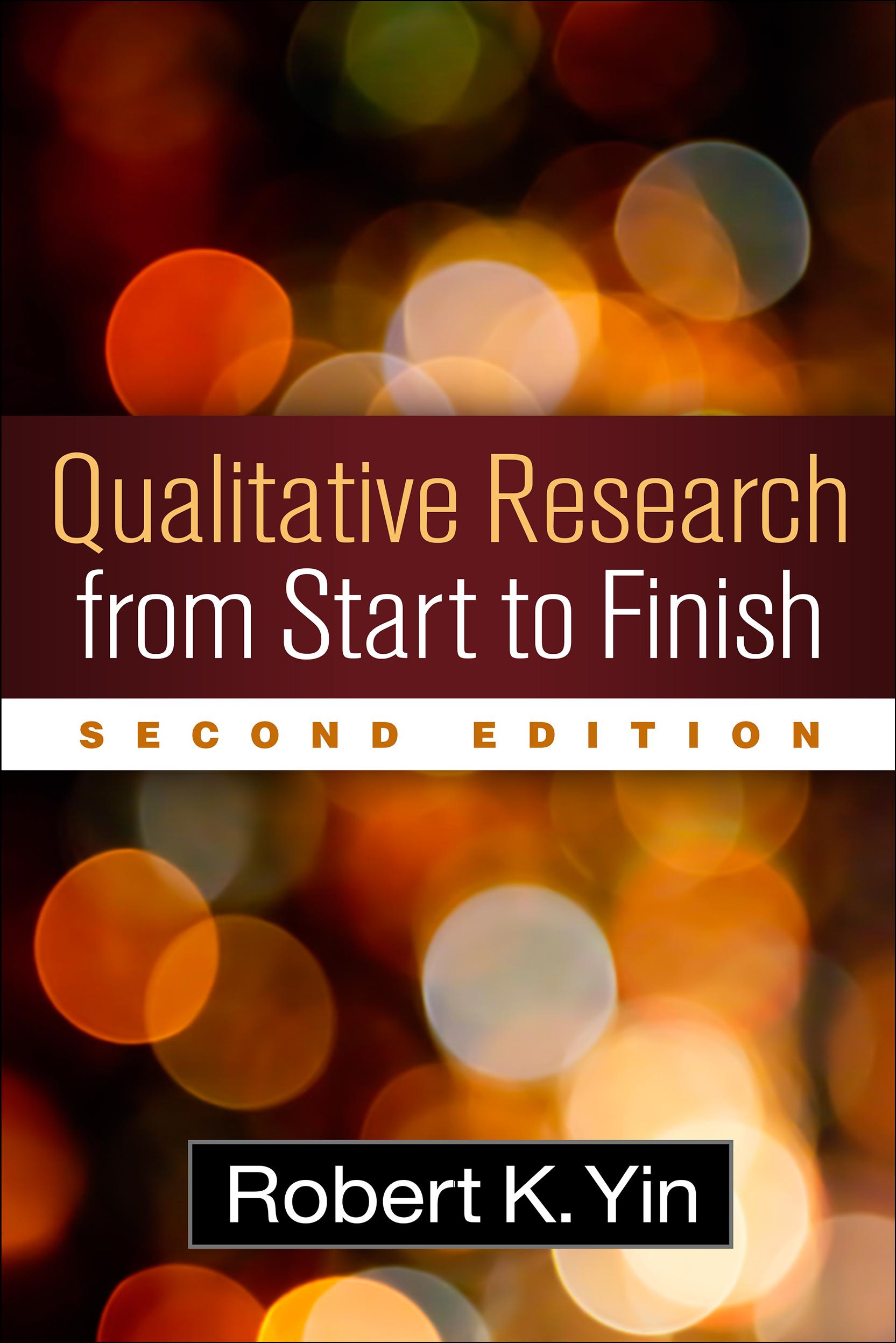
This book will help readers understand the practice of qualitative research--whether they want to do it, teach it, or just learn about it. All the major research phases are encompassed (startup, design, data collection, analysis, and composing), including newly emerging trends. Numerous easy-to-read vignettes show how other scholars have successfully implemented specific procedures. Equally distinctive, the book presents qualitative research as an adaptive craft. The array of choices among different procedures and methods enables readers to customize their own studies and to accommodate different worldviews and genres.
New to This Edition:
*Stronger discussion of different worldviews (e.g., constructivism, postpositivism, and pragmatism) and how they relate to different methodological choices.
*Clearer emphasis on doing a generalized qualitative study, while acknowledging 12 specialized genres (e.g., action-based research, arts-based research, autoethnography, grounded theory, phenomenology, and others).
*Expanded discussions of different kinds of qualitative study samples and of mixed methods.
*New ideas on how to avoid getting stalled when analyzing qualitative data.
*Consideration of an additional way of concluding a qualitative study: by taking action.
Pedagogical Features
*Chapters start with an abstract and end with a suggested exercise.
*Key terms and concepts appear in boldface throughout the text and are listed in end-of-chapter recaps as well as in the book’s glossary.
*Sections within each chapter start with a preview box: “What you should learn from this section."
*An appendix presents a semester- or yearlong field-based project.
New to This Edition:
*Stronger discussion of different worldviews (e.g., constructivism, postpositivism, and pragmatism) and how they relate to different methodological choices.
*Clearer emphasis on doing a generalized qualitative study, while acknowledging 12 specialized genres (e.g., action-based research, arts-based research, autoethnography, grounded theory, phenomenology, and others).
*Expanded discussions of different kinds of qualitative study samples and of mixed methods.
*New ideas on how to avoid getting stalled when analyzing qualitative data.
*Consideration of an additional way of concluding a qualitative study: by taking action.
Pedagogical Features
*Chapters start with an abstract and end with a suggested exercise.
*Key terms and concepts appear in boldface throughout the text and are listed in end-of-chapter recaps as well as in the book’s glossary.
*Sections within each chapter start with a preview box: “What you should learn from this section."
*An appendix presents a semester- or yearlong field-based project.
Betala smidigt med kort, Klarna, Apple Pay eller Google Pay. Är du inte nöjd har du alltid 14 dagars ångerrätt. Läs mer i våra villkor. Har du några frågor, mejla oss på hello@memmo.org.
Memmo gör det enklare att plugga – var du än är i världen. Hos oss samlar du kursböcker och smarta studieverktyg på ett och samma ställe: sammanfattningar, quiz, poddar och flashcards. Och så Ted, din studiekompis som svarar på allt du undrar. Över 50 000 studenter pluggar redan här – byggt för att du ska lära dig snabbare och stressa mindre.
Du kanske också gillar
Köp boken0