
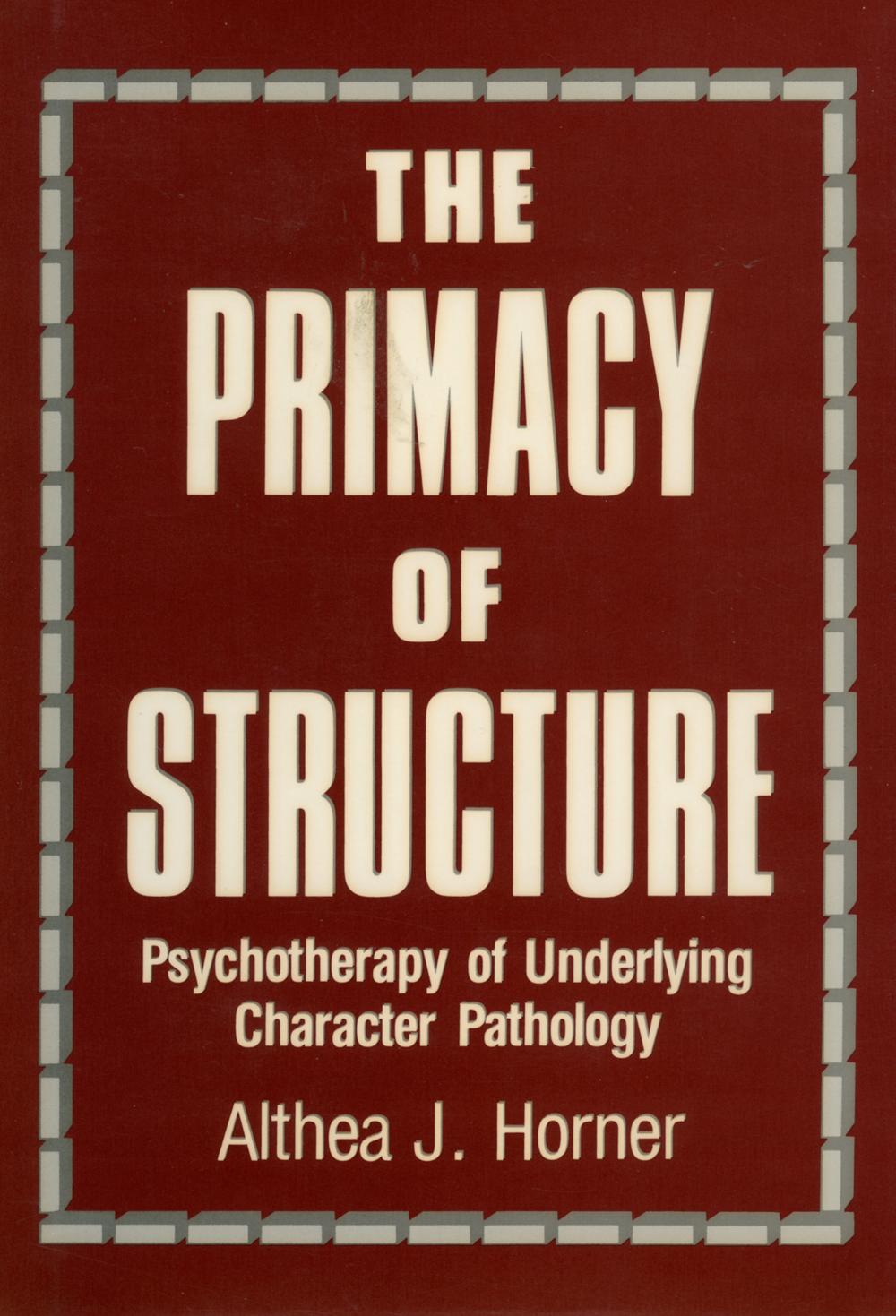
In "The Primacy of Structure" Althea Horner argues that effective psychotherapeutic intervention depends on the understanding of clinical symptoms in terms of the patient's underlying character structure. For example, obsessive behavior that functions to hold together a fragile, inadequately integrated self must be distinguished from obsessive behavior that defends against awareness of guilt and anxiety. In evaluating patients, Dr Horner asks herself whether he or she was well integrated and well differentiated before the presenting complaint, or a borderline individual already at risk. These facts are critical for the patient's therapy. In Part I Dr Horner discusses the development of character, in Part II character pathology, and in Part III the treatment of character pathology. Mental health professionals will find this a useful guide to psychotherapy of the character problems that lie behind their patients' presenting symptoms.
Betala smidigt med kort, Klarna, Apple Pay eller Google Pay. Är du inte nöjd har du alltid 14 dagars ångerrätt. Läs mer i våra villkor. Har du några frågor, mejla oss på hello@memmo.org.
Memmo gör det enklare att plugga – var du än är i världen. Hos oss samlar du kursböcker och smarta studieverktyg på ett och samma ställe: sammanfattningar, quiz, poddar och flashcards. Och så Ted, din studiekompis som svarar på allt du undrar. Över 50 000 studenter pluggar redan här – byggt för att du ska lära dig snabbare och stressa mindre.