
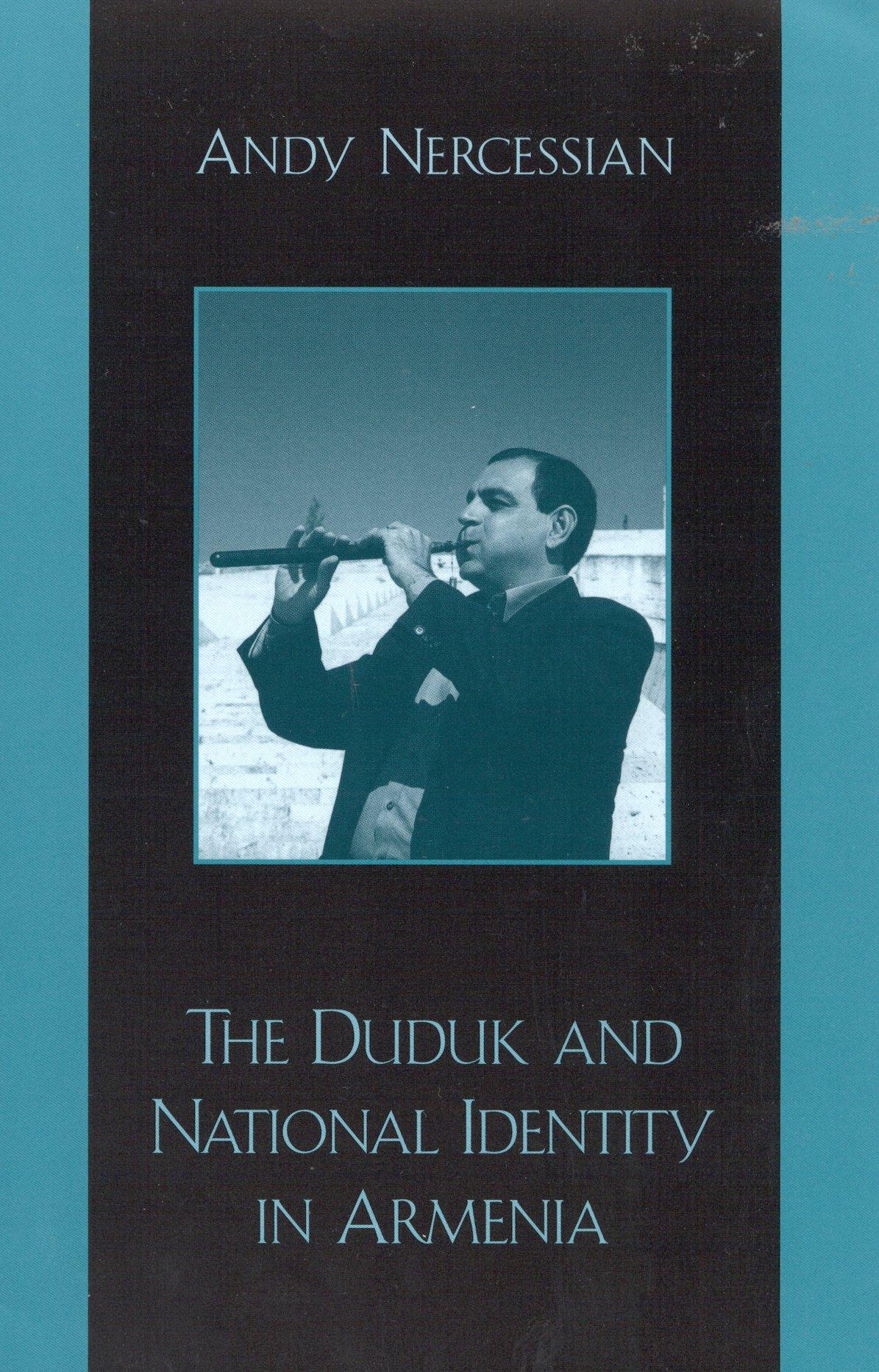
The book is an outline of the Armenian duduk, a cylindrical double-reed aerophone made of apricot-wood, and its relation to the Armenian identity. It attempts to deepen our understanding of musical instruments not only through an examination of musical and constructional features, but also through the application of a sociocultural framework which allows a theorization of the idea of the instrument as social being.
The discussion is centered on the different contexts in which the duduk is played. These are divided into two categories: solo and ensemble. Solo duduk performance includes the remarkable phenomenon of Armenian funeral music activity. Other contexts include special celebrations of national culture, duduk competitions, the recording studio and the film music studio. The main ensemble contexts of duduk performance are the Armenian folk orchestras. These are essentially Soviet creations designed to "advance" folk music. Their impact on folk music and folk musical life on Armenia is discussed with special attention to the "adjustments" which were necessary for the success of this institution. Folk ensembles have long been emblems of Armenian national culture which might explain how they have survived the collapse of the Soviet Union and its Marxist-Leninist policies which were these orchestras' very raison d'être.
The book will appeal to anyone with an interest in organological theory, Armenian culture, or world music.
The discussion is centered on the different contexts in which the duduk is played. These are divided into two categories: solo and ensemble. Solo duduk performance includes the remarkable phenomenon of Armenian funeral music activity. Other contexts include special celebrations of national culture, duduk competitions, the recording studio and the film music studio. The main ensemble contexts of duduk performance are the Armenian folk orchestras. These are essentially Soviet creations designed to "advance" folk music. Their impact on folk music and folk musical life on Armenia is discussed with special attention to the "adjustments" which were necessary for the success of this institution. Folk ensembles have long been emblems of Armenian national culture which might explain how they have survived the collapse of the Soviet Union and its Marxist-Leninist policies which were these orchestras' very raison d'être.
The book will appeal to anyone with an interest in organological theory, Armenian culture, or world music.
Betala smidigt med kort, Klarna, Apple Pay eller Google Pay. Är du inte nöjd har du alltid 14 dagars ångerrätt. Läs mer i våra villkor. Har du några frågor, mejla oss på hello@memmo.org.
Memmo gör det enklare att plugga – var du än är i världen. Hos oss samlar du kursböcker och smarta studieverktyg på ett och samma ställe: sammanfattningar, quiz, poddar och flashcards. Och så Ted, din studiekompis som svarar på allt du undrar. Över 50 000 studenter pluggar redan här – byggt för att du ska lära dig snabbare och stressa mindre.