
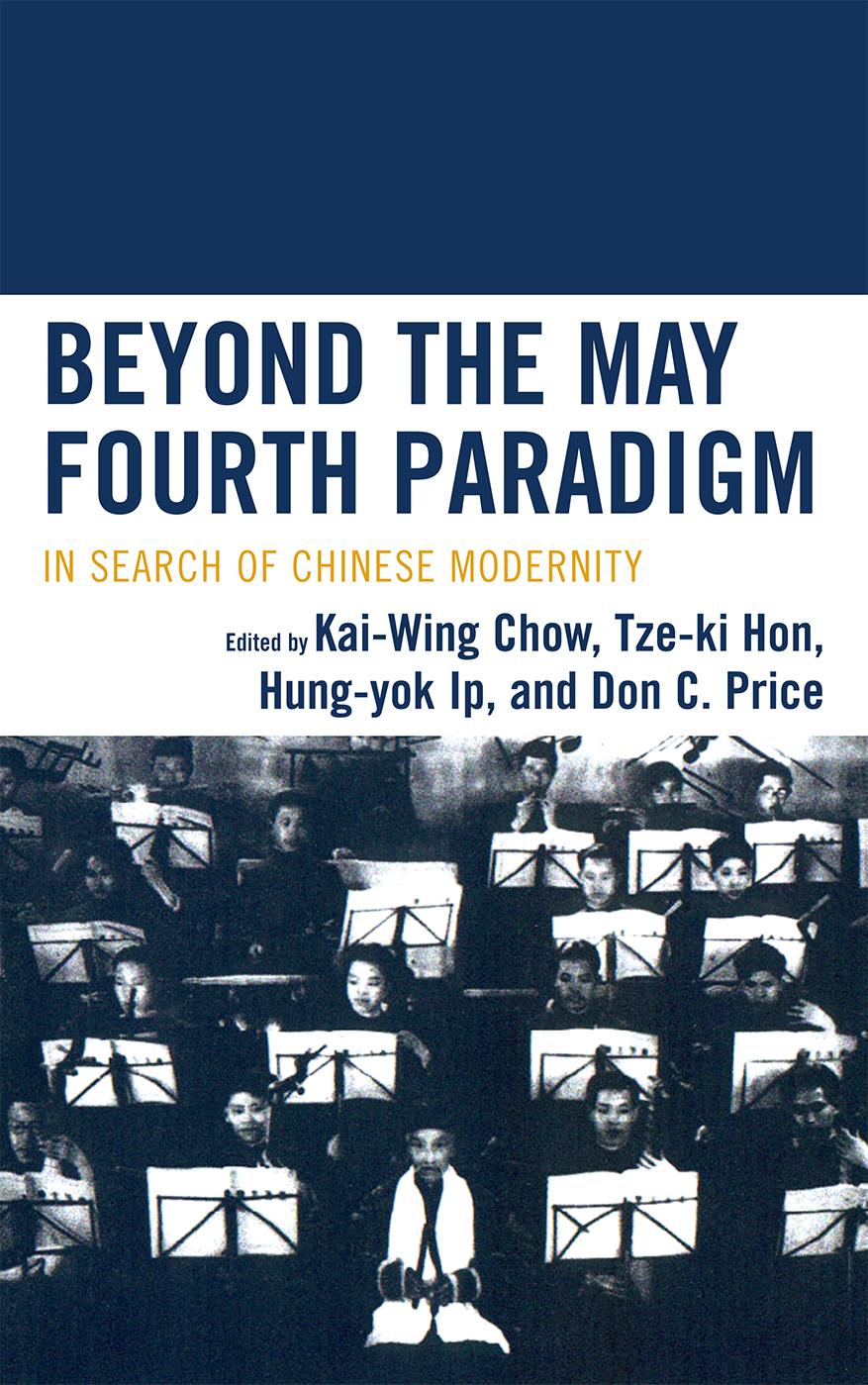
When did China make the decisive turn from tradition to modernity? For decades, the received wisdom would have pointed to the May Fourth movement, with its titanic battles between the champions of iconoclasm and the traditionalists, and its shift to more populist forms of politics. A growing body of recent research has, however, called into question how decisive the turn was, when it happened, and what relation the resulting modernity bore to the agendas of people who might have considered themselves representatives of such an iconoclastic movement. Having thus explicitly or implicitly 'decentered' the May Fourth, such research (augmented by contributions in the present volume) leaves us with the task of accounting for the shape Chinese modernity took, as the product of dialogues and debates between, and the interplay of, a variety of actors and trends, both within and (certainly no less importantly) without the May Fourth camp.
Betala smidigt med kort, Klarna, Apple Pay eller Google Pay. Är du inte nöjd har du alltid 14 dagars ångerrätt. Läs mer i våra villkor. Har du några frågor, mejla oss på hello@memmo.org.
Memmo gör det enklare att plugga – var du än är i världen. Hos oss samlar du kursböcker och smarta studieverktyg på ett och samma ställe: sammanfattningar, quiz, poddar och flashcards. Och så Ted, din studiekompis som svarar på allt du undrar. Över 50 000 studenter pluggar redan här – byggt för att du ska lära dig snabbare och stressa mindre.