
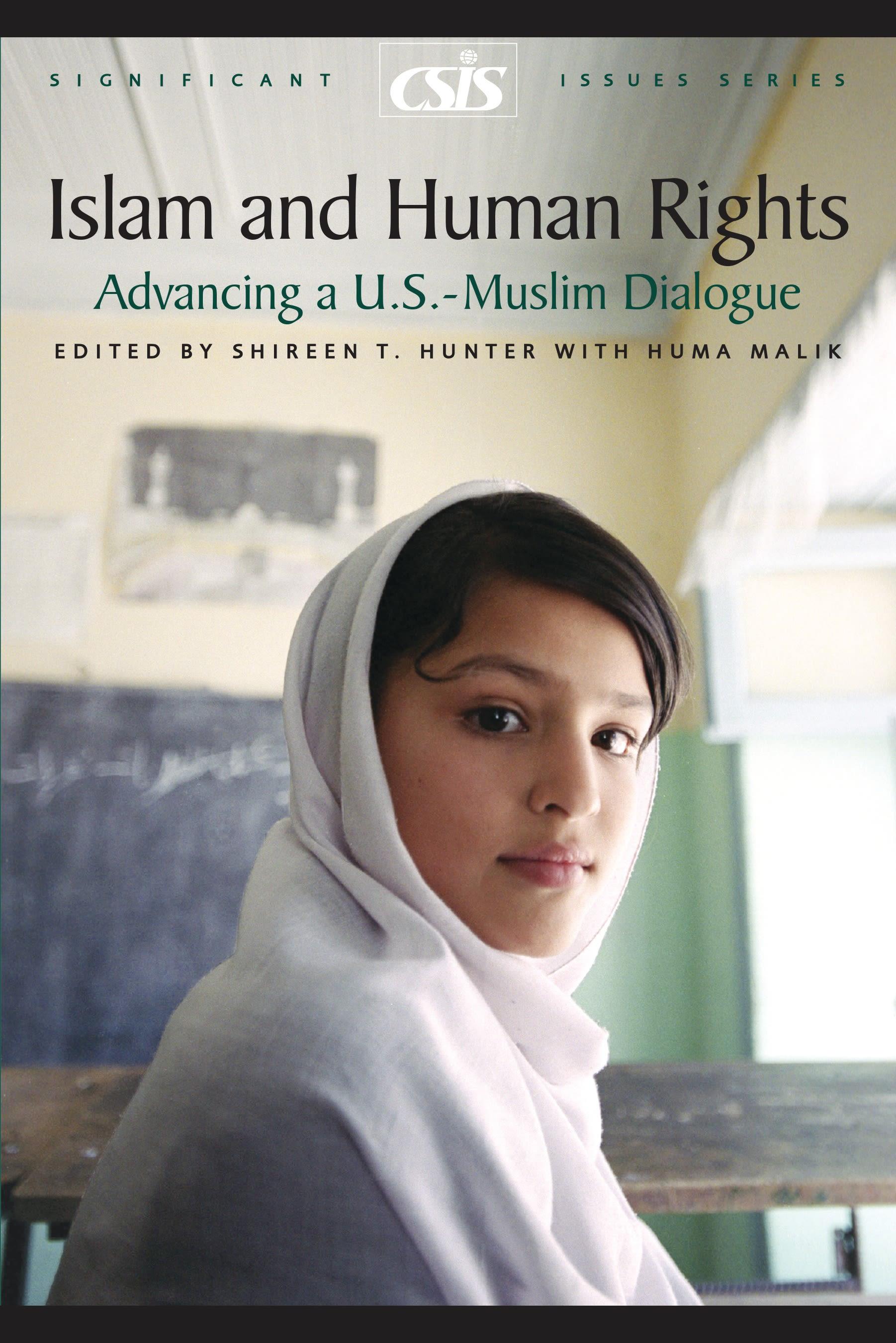
In the last few years, issues related to human rights, including encouraging the democratization of Muslim societies from the Middle East to Southeast Asia, have acquired great importance in shaping the character of U.S.-Muslim relations and U.S. policy toward Muslim countries. An important impetus behind this development were the tragic events of 9/11, which demonstrated the destructive potential of militant groups that use a distorted interpretation of Islam as justification for their actions. These events also led to a greater realization by the United States--and the West--that a lack of democracy and lack of respect for human rights have been contributory factors to the rise of militant Islam.
Consequently, in its approach toward the Muslim world, the United States has emphasized the themes of human rights and democracy. Within the Islamic world, too, both secular and moderate Islamists have begun focusing on issues related to human rights. Although many conservative Muslims believe that Islam is incompatible with Western notions of democracy and human rights, reformist Muslim thinkers and activists maintain that a proper reading of Islamic injunctions and the ethical values underpinning those injunctions shows there is no such incompatibility. Complicating the debate is the fact that many Muslims--secular as well as conservative and reformist--doubt the seriousness of the U.S. commitment to the cause of human rights and democracy in the Muslim world, believing that the United States applies human rights' standards selectively to suit its strategic and economic interests. Irrespective of the validity of these charges, they are part of the context of the U.S.-Muslim dialogue on human rights. And it is this complex dialogue that this volume seeks to advance.
Consequently, in its approach toward the Muslim world, the United States has emphasized the themes of human rights and democracy. Within the Islamic world, too, both secular and moderate Islamists have begun focusing on issues related to human rights. Although many conservative Muslims believe that Islam is incompatible with Western notions of democracy and human rights, reformist Muslim thinkers and activists maintain that a proper reading of Islamic injunctions and the ethical values underpinning those injunctions shows there is no such incompatibility. Complicating the debate is the fact that many Muslims--secular as well as conservative and reformist--doubt the seriousness of the U.S. commitment to the cause of human rights and democracy in the Muslim world, believing that the United States applies human rights' standards selectively to suit its strategic and economic interests. Irrespective of the validity of these charges, they are part of the context of the U.S.-Muslim dialogue on human rights. And it is this complex dialogue that this volume seeks to advance.
Sidor: 152
Kategori: Statsvetenskap & Politik
e-ISBN: 9781442256675
Fraktvikt: 1.2 kg
Skickas inom: 1-2 dagar
Betala smidigt med kort, Klarna, Apple Pay eller Google Pay. Är du inte nöjd har du alltid 14 dagars ångerrätt. Läs mer i våra villkor. Har du några frågor, mejla oss på hello@memmo.org.
Memmo gör det enklare att plugga – var du än är i världen. Hos oss samlar du kursböcker och smarta studieverktyg på ett och samma ställe: sammanfattningar, quiz, poddar och flashcards. Och så Ted, din studiekompis som svarar på allt du undrar. Över 50 000 studenter pluggar redan här – byggt för att du ska lära dig snabbare och stressa mindre.