
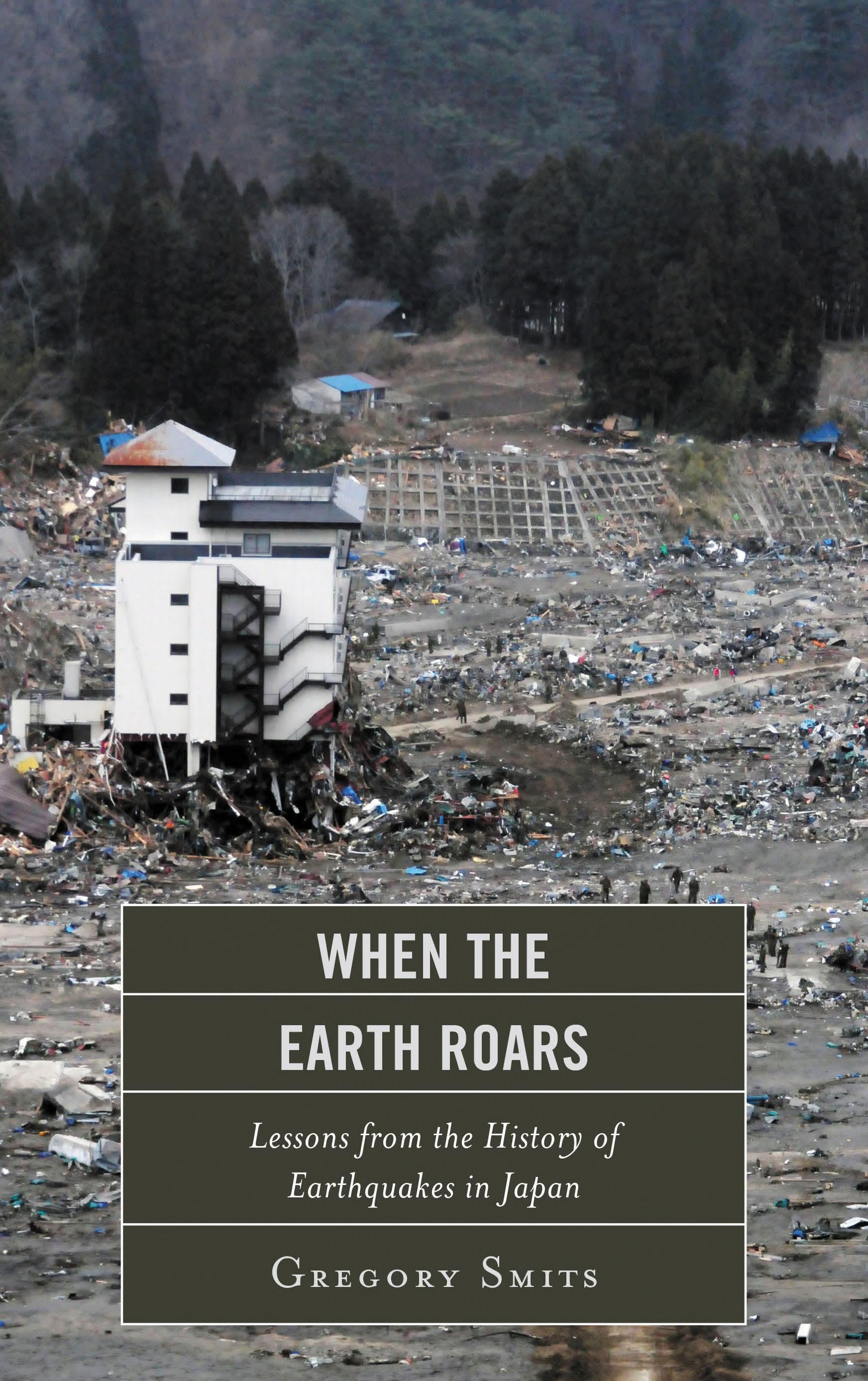
Japan, which is among the most earthquake-prone regions in the world, has a long history of responding to seismic disasters. However, despite advances in earthquake-related safety technologies, the destructiveness of the magnitude 9 class earthquake and tsunami that struck the country on 3/11 raised profound questions about how societies can deal effectively with seismic hazards. This important book places the devastating earthquake, tsunami, and nuclear meltdown disaster in historical perspective, examining conceptions of earthquakes since the seventeenth century, the diverse ways actual earthquakes and their aftermath played out, and their enduring social and scientific significance. By looking backward, Gregory Smits identifies future pitfalls to avoid and assesses the allocation of resources for dealing with future earthquake and tsunami disasters. He criticizes Japan’s postwar quest for earthquake prediction and the concept of “characteristic” earthquakes. Smits argues that earthquakes are so chaotic as to be unpredictable, not only geologically but also in their social and cultural effects. Therefore, he contends, the best hope for future disaster mitigation is antiseismic engineering and flexible disaster-relief capabilities. As the first sustained historical analysis of destructive earthquakes and tsunamis, this book is an essential resource for anyone interested in Japan, natural disasters, seismology, and environmental history.
Betala smidigt med kort, Klarna, Apple Pay eller Google Pay. Är du inte nöjd har du alltid 14 dagars ångerrätt. Läs mer i våra villkor. Har du några frågor, mejla oss på hello@memmo.org.
Memmo gör det enklare att plugga – var du än är i världen. Hos oss samlar du kursböcker och smarta studieverktyg på ett och samma ställe: sammanfattningar, quiz, poddar och flashcards. Och så Ted, din studiekompis som svarar på allt du undrar. Över 50 000 studenter pluggar redan här – byggt för att du ska lära dig snabbare och stressa mindre.