
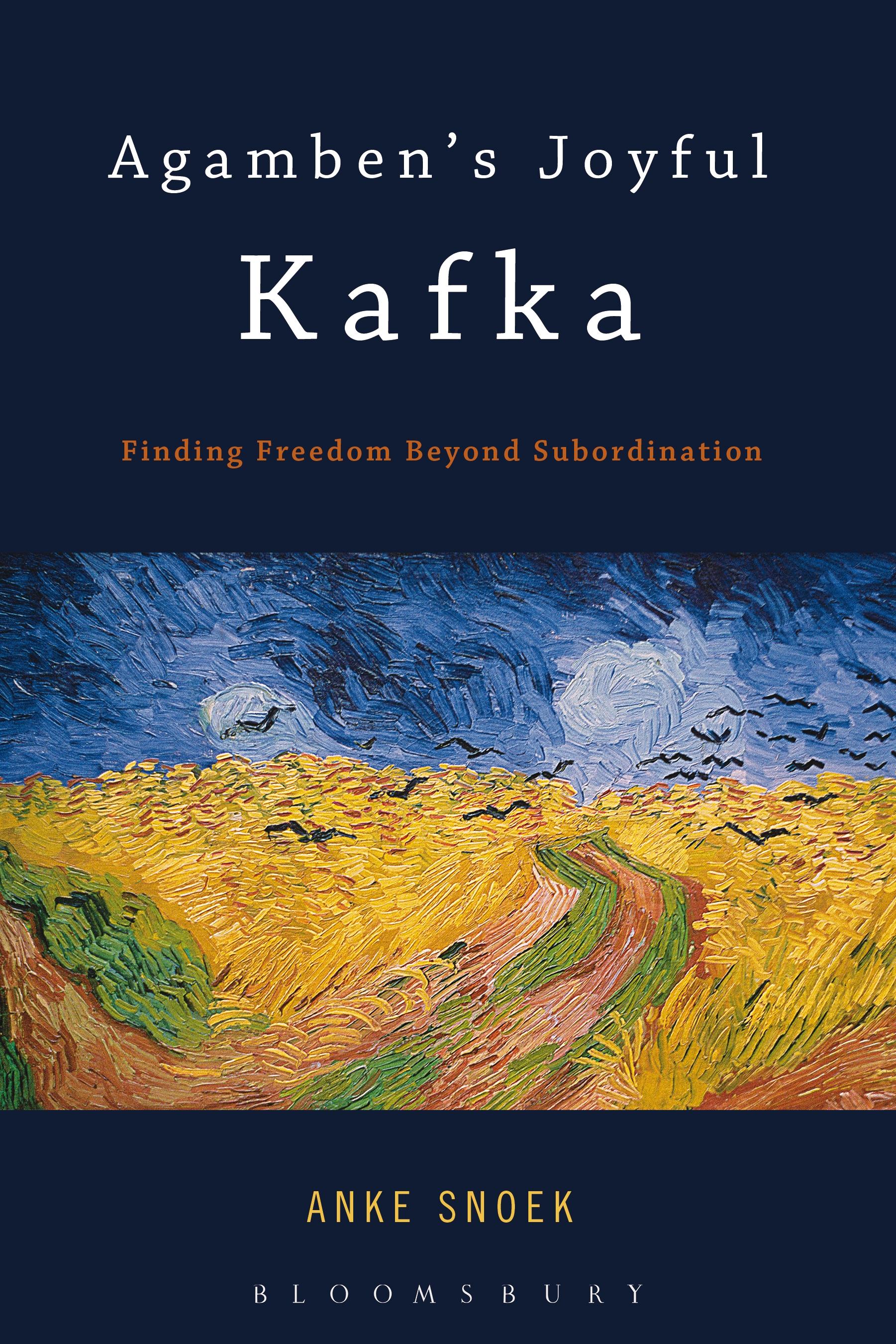
Both Giorgio Agamben and Franz Kafka are best known for their gloomy political worldview. A cautious study of Agamben's references on Kafka, however, reveals another dimension right at the intersection of their works: a complex and unorthodox theory of freedom. The inspiration emerges from Agamben's claims that 'it is a very poor reading of Kafka's works that sees in them only a summation of the anguish of a guilty man before the inscrutable power'. Virtually all of Kafka's stories leave us puzzled about what really happened. Was Josef K., who is butchered like a dog, defeated? And what about the meaningless but in his own way complete creature Odradek? Agamben's work sheds new light on these questions and arrives, through Kafka, at different strategies for freedom at the point where this freedom is most blatantly violated.
Betala smidigt med kort, Klarna, Apple Pay eller Google Pay. Är du inte nöjd har du alltid 14 dagars ångerrätt. Läs mer i våra villkor. Har du några frågor, mejla oss på hello@memmo.org.
Memmo gör det enklare att plugga – var du än är i världen. Hos oss samlar du kursböcker och smarta studieverktyg på ett och samma ställe: sammanfattningar, quiz, poddar och flashcards. Och så Ted, din studiekompis som svarar på allt du undrar. Över 50 000 studenter pluggar redan här – byggt för att du ska lära dig snabbare och stressa mindre.