
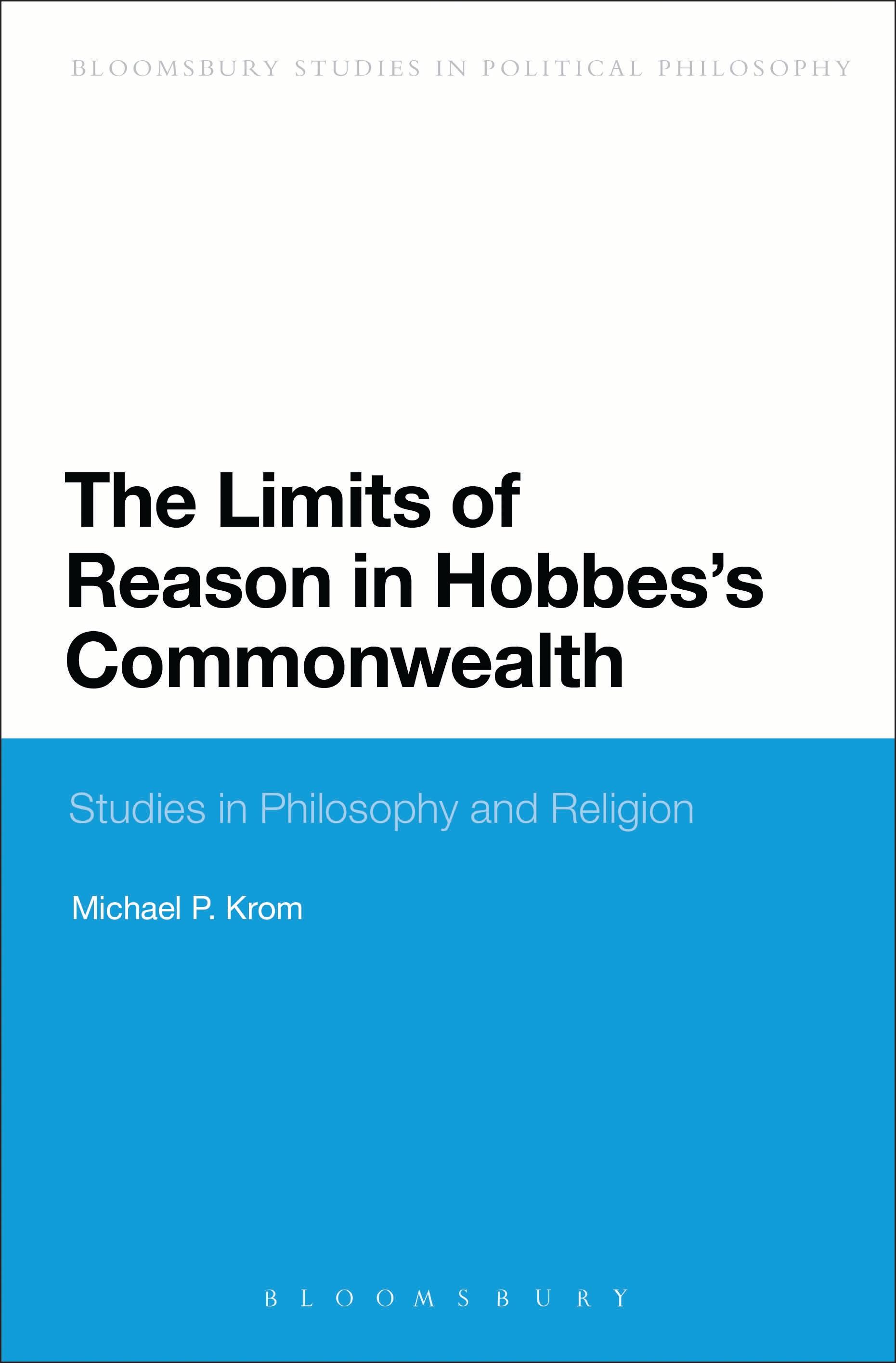
The Limits of Reason in Hobbes's Commonwealth explores Hobbes's attempt to construct a political philosophy of enduring peace on the foundation of the rational individual. Hobbes's rational individual, motivated by self-preservation, obeys the laws of the commonwealth and thus is conceived as the model citizen. Yet Hobbes intimates that there are limits to what such an actor will do for peace, and that the glory-seeker - "too rarely found to be presumed on" - is capable of a generosity that is necessary for political longevity. Michael P. Krom identifies this as a fundamental contradiction in Hobbes's system: he builds the commonwealth on the rational actor, yet acknowledges the need for the irrational glory-seeker.
Krom argues that Hobbes's attempt to establish a "king of the proud" fails to overcome the limits of reason and the precariousness of politics. This book synthesizes recent work on Hobbes's understanding of glory and political stability, challenging the view that Hobbes succeeds in incorporating glory-seekers into his political theory and explores the implications of this for contemporary political philosophy after Rawls.
Betala smidigt med kort, Klarna, Apple Pay eller Google Pay. Är du inte nöjd har du alltid 14 dagars ångerrätt. Läs mer i våra villkor. Har du några frågor, mejla oss på hello@memmo.org.
Memmo gör det enklare att plugga – var du än är i världen. Hos oss samlar du kursböcker och smarta studieverktyg på ett och samma ställe: sammanfattningar, quiz, poddar och flashcards. Och så Ted, din studiekompis som svarar på allt du undrar. Över 50 000 studenter pluggar redan här – byggt för att du ska lära dig snabbare och stressa mindre.