
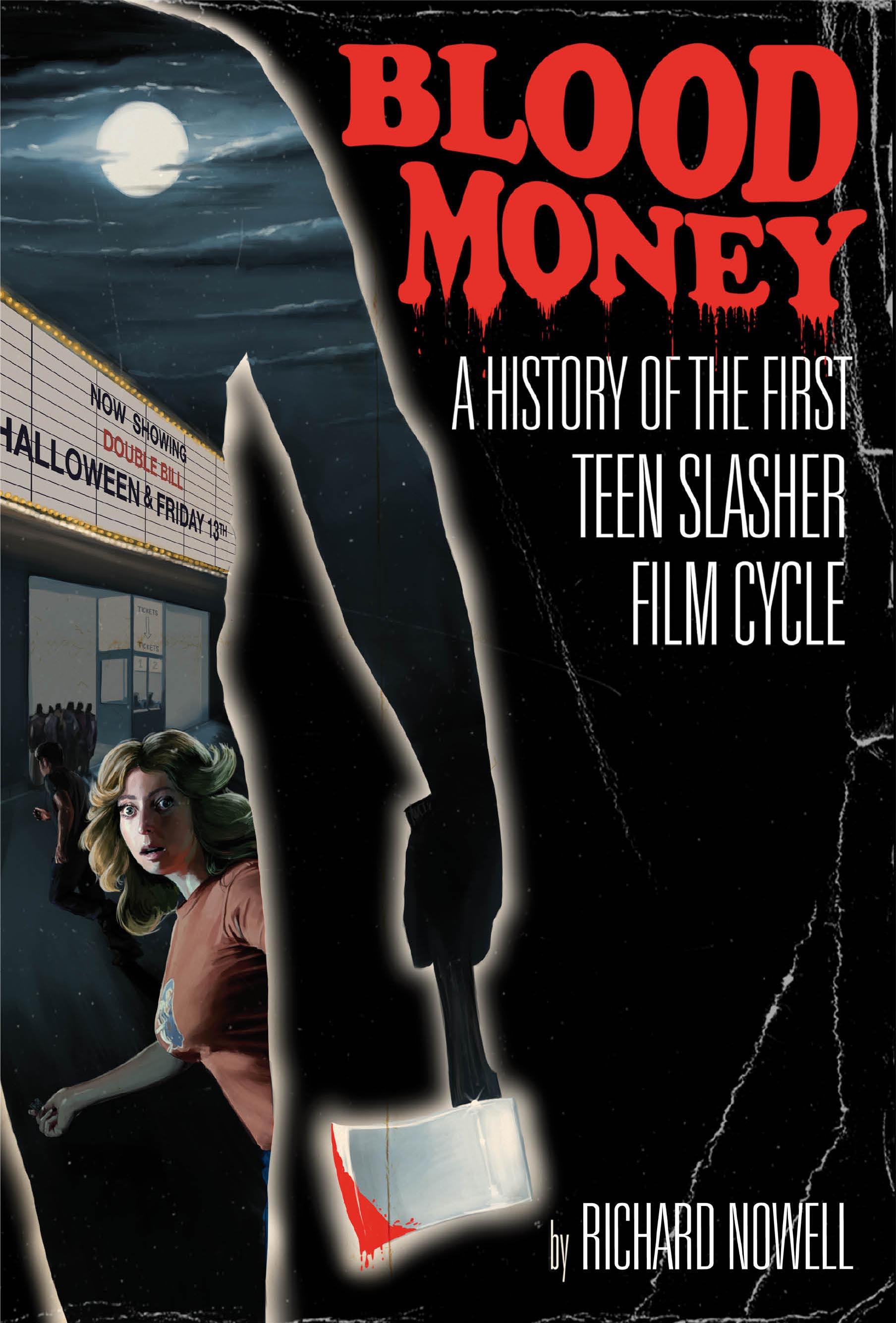
Scholars have consistently applied psychoanalytic models to representations of gender in early teen slasher films such as Black Christmas (1974), Halloween (1978) and Friday the 13th (1980) in order to claim that these were formulaic, excessively violent exploitation films, fashioned to satisfy the misogynist fantasies of teenage boys and grind house patrons. However, by examining the commercial logic, strategies and objectives of the American and Canadian independents that produced the films and the companies that distributed them in the US, Blood Money demonstrates that filmmakers and marketers actually went to extraordinary lengths to make early teen slashers attractive to female youth, to minimize displays of violence, gore and suffering and to invite comparisons to a wide range of post-classical Hollywood's biggest hits; including Love Story (1970), The Exorcist (1973), Saturday Night Fever (1977), Grease and Animal House (both 1978).
Blood Money is a remarkable piece of scholarship that highlights the many forces that helped establish the teen slasher as a key component of the North American film industry's repertoire of youth-market product.
Blood Money is a remarkable piece of scholarship that highlights the many forces that helped establish the teen slasher as a key component of the North American film industry's repertoire of youth-market product.
Sidor: 304
Kategori: Statsvetenskap & Politik
e-ISBN: 9781441143167
Fraktvikt: 1.2 kg
Skickas inom: 1-2 dagar
Betala smidigt med kort, Klarna, Apple Pay eller Google Pay. Är du inte nöjd har du alltid 14 dagars ångerrätt. Läs mer i våra villkor. Har du några frågor, mejla oss på hello@memmo.org.
Memmo gör det enklare att plugga – var du än är i världen. Hos oss samlar du kursböcker och smarta studieverktyg på ett och samma ställe: sammanfattningar, quiz, poddar och flashcards. Och så Ted, din studiekompis som svarar på allt du undrar. Över 50 000 studenter pluggar redan här – byggt för att du ska lära dig snabbare och stressa mindre.