
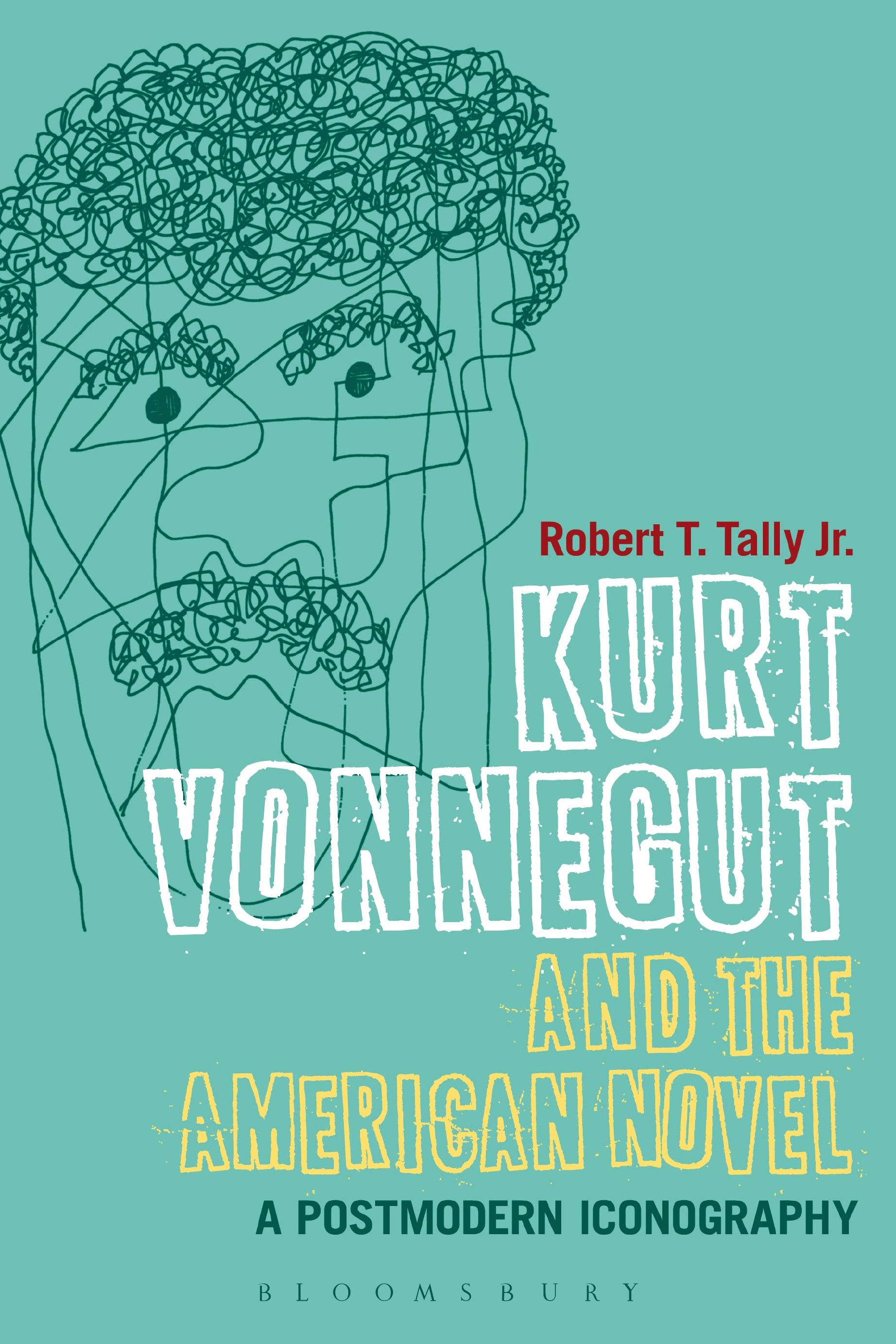
The novels of Kurt Vonnegut depict a profoundly absurd and distinctly postmodern world. But in this critical study, Robert Tally argues that Vonnegut himself is actually a modernist, who is less interested in indulging in the free play of signifiers than in attempting to construct a model that could encompass the American experience at the end of the twentieth century. As a modernist wrestling with a postmodern condition, Vonnegut makes use of diverse and sometimes eccentric narrative techniques (such as metafiction, collage, and temporal slippages) to project a comprehensive vision of life in the United States. Vonnegut's novels thus become experiments in making sense of the radical transformations of self and society during that curious, unstable period called, perhaps ironically, the 'American Century.' An untimely figure, Vonnegut develops a postmodern iconography of American civilization while simultaneously acknowledging the impossibility of a truly comprehensive representation.
Betala smidigt med kort, Klarna, Apple Pay eller Google Pay. Är du inte nöjd har du alltid 14 dagars ångerrätt. Läs mer i våra villkor. Har du några frågor, mejla oss på hello@memmo.org.
Memmo gör det enklare att plugga – var du än är i världen. Hos oss samlar du kursböcker och smarta studieverktyg på ett och samma ställe: sammanfattningar, quiz, poddar och flashcards. Och så Ted, din studiekompis som svarar på allt du undrar. Över 50 000 studenter pluggar redan här – byggt för att du ska lära dig snabbare och stressa mindre.