
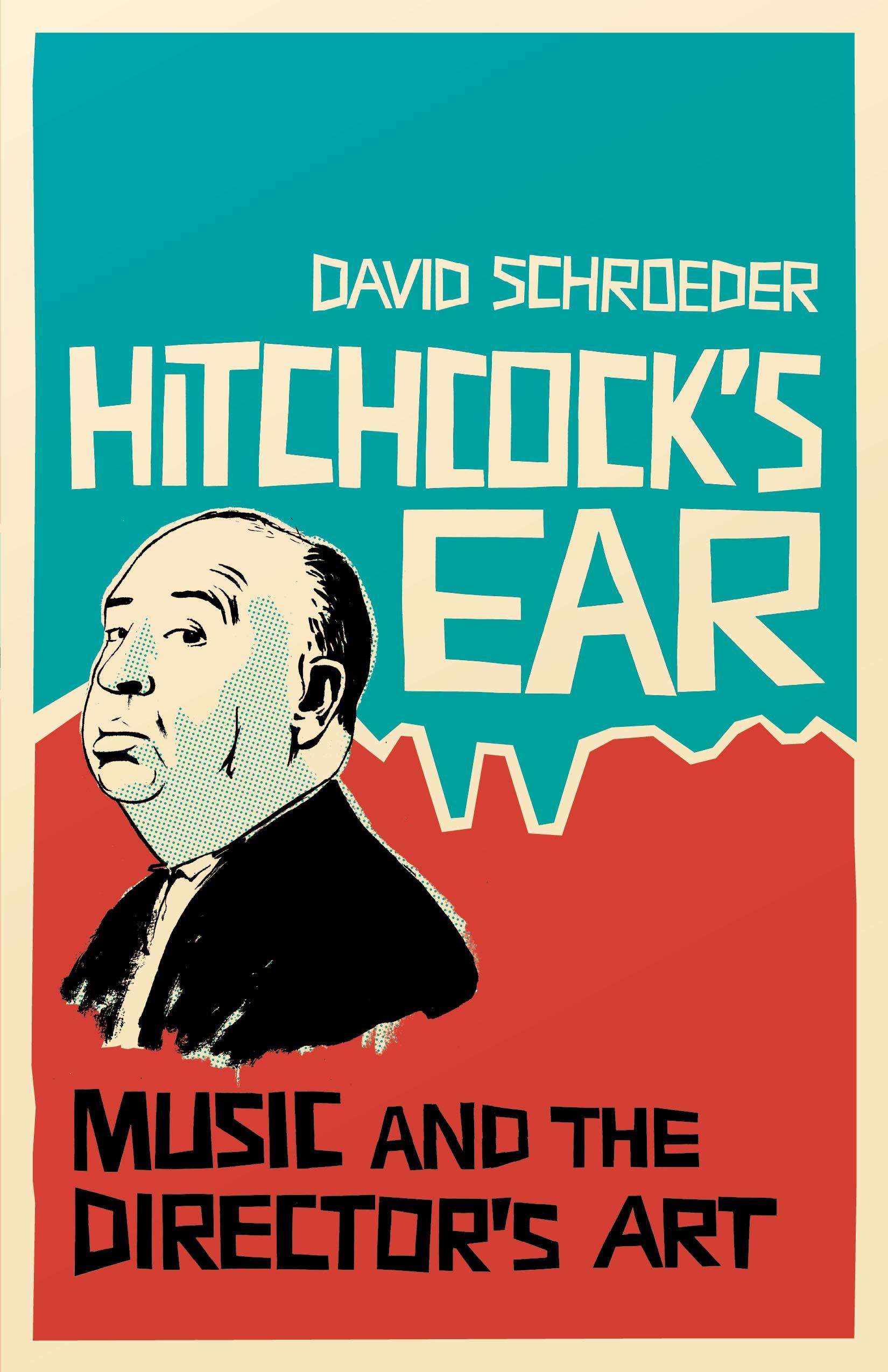
Alfred Hitchcock liked to describe his work as a director in musical terms; for some of his films, it appears that he started with an underlying musical conception, and transformed that sense of music into visual images. The director's favorite scenes lacked dialogue, and they made their impact through a combination of non-verbal actions and music. For example, the waltz and the piano are used as powerful images in silent films, and this approach carries over into sound films. Looking at such films as Vertigo, Rear Window, and Shadow of a Doubt, Schroeder provides a unique look at the way that Hitchcock thought about cinema in musical terms.
Betala smidigt med kort, Klarna, Apple Pay eller Google Pay. Är du inte nöjd har du alltid 14 dagars ångerrätt. Läs mer i våra villkor. Har du några frågor, mejla oss på hello@memmo.org.
Memmo gör det enklare att plugga – var du än är i världen. Hos oss samlar du kursböcker och smarta studieverktyg på ett och samma ställe: sammanfattningar, quiz, poddar och flashcards. Och så Ted, din studiekompis som svarar på allt du undrar. Över 50 000 studenter pluggar redan här – byggt för att du ska lära dig snabbare och stressa mindre.