
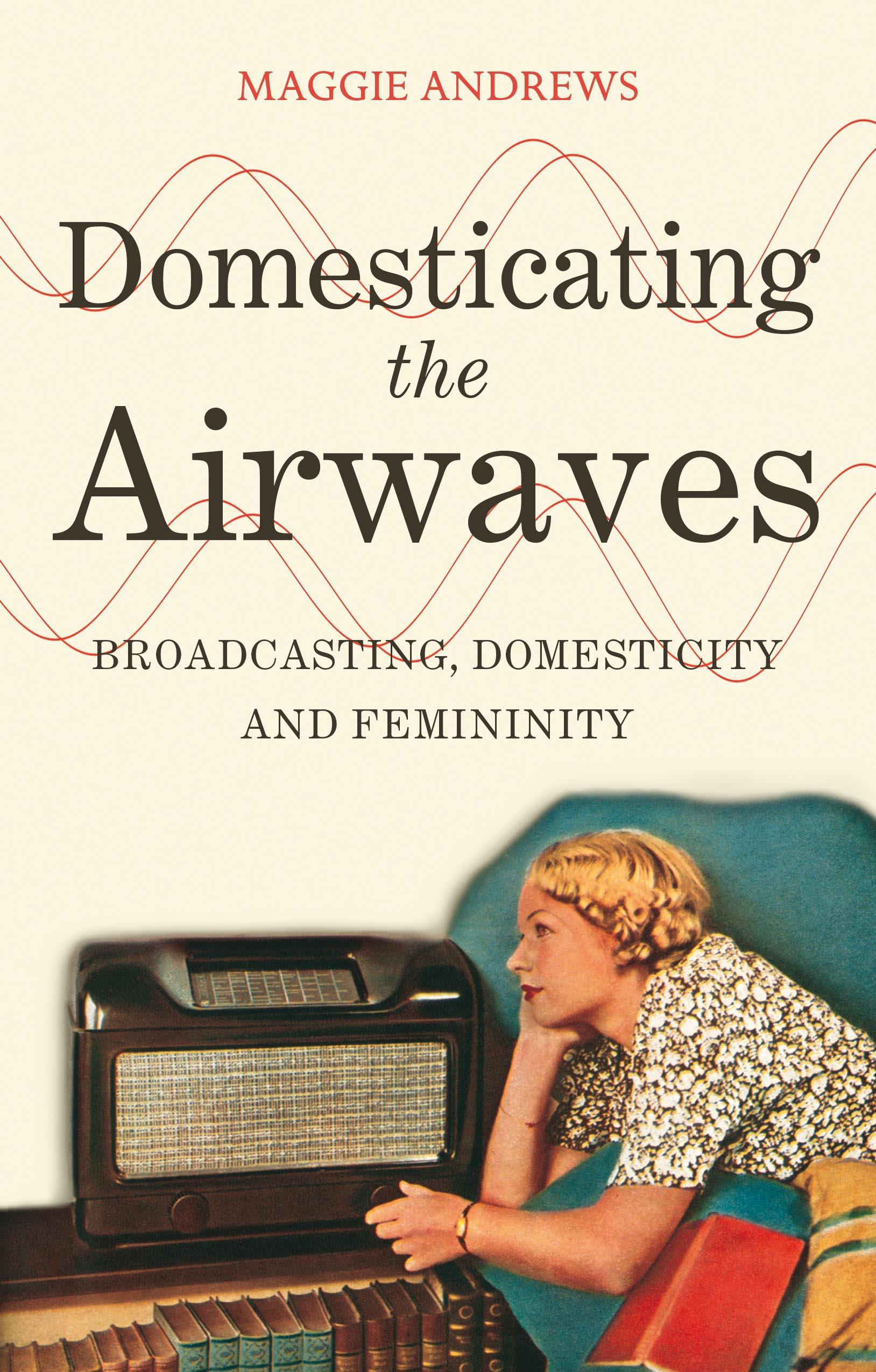
Using case studies and analytical overviews this book explores the relationship between broadcasting and the intimate domestic sphere into which it is broadcast. It focuses on the period from the 1920s, when broadcasting was established in the UK, to the present day when both domesticity and broadcasting have become areas of anxiety and contestation. The entry of the 'wireless', and later television, into the home changed men and women's experience of domesticity, offering education and reducing isolation. But broadcasting did not merely change domestic leisure patterns, it actively intervened in constructing domesticity. The supposedly natural relationship between femininity and domesticity has structured the nature of broadcasting, and also the discourses which have emerged concerning the consumption of broadcast media. Contemporary broadcasting continues to be obsessed by domesticity, both in an idealised sense as well as portraying the domestic world as one of turmoil and crisis. This volume demonstrates that the relationship between broadcasting and domesticity is a key, and often neglected, feature of the cultural history of Britain in the last 100 years.
Betala smidigt med kort, Klarna, Apple Pay eller Google Pay. Är du inte nöjd har du alltid 14 dagars ångerrätt. Läs mer i våra villkor. Har du några frågor, mejla oss på hello@memmo.org.
Memmo gör det enklare att plugga – var du än är i världen. Hos oss samlar du kursböcker och smarta studieverktyg på ett och samma ställe: sammanfattningar, quiz, poddar och flashcards. Och så Ted, din studiekompis som svarar på allt du undrar. Över 50 000 studenter pluggar redan här – byggt för att du ska lära dig snabbare och stressa mindre.