
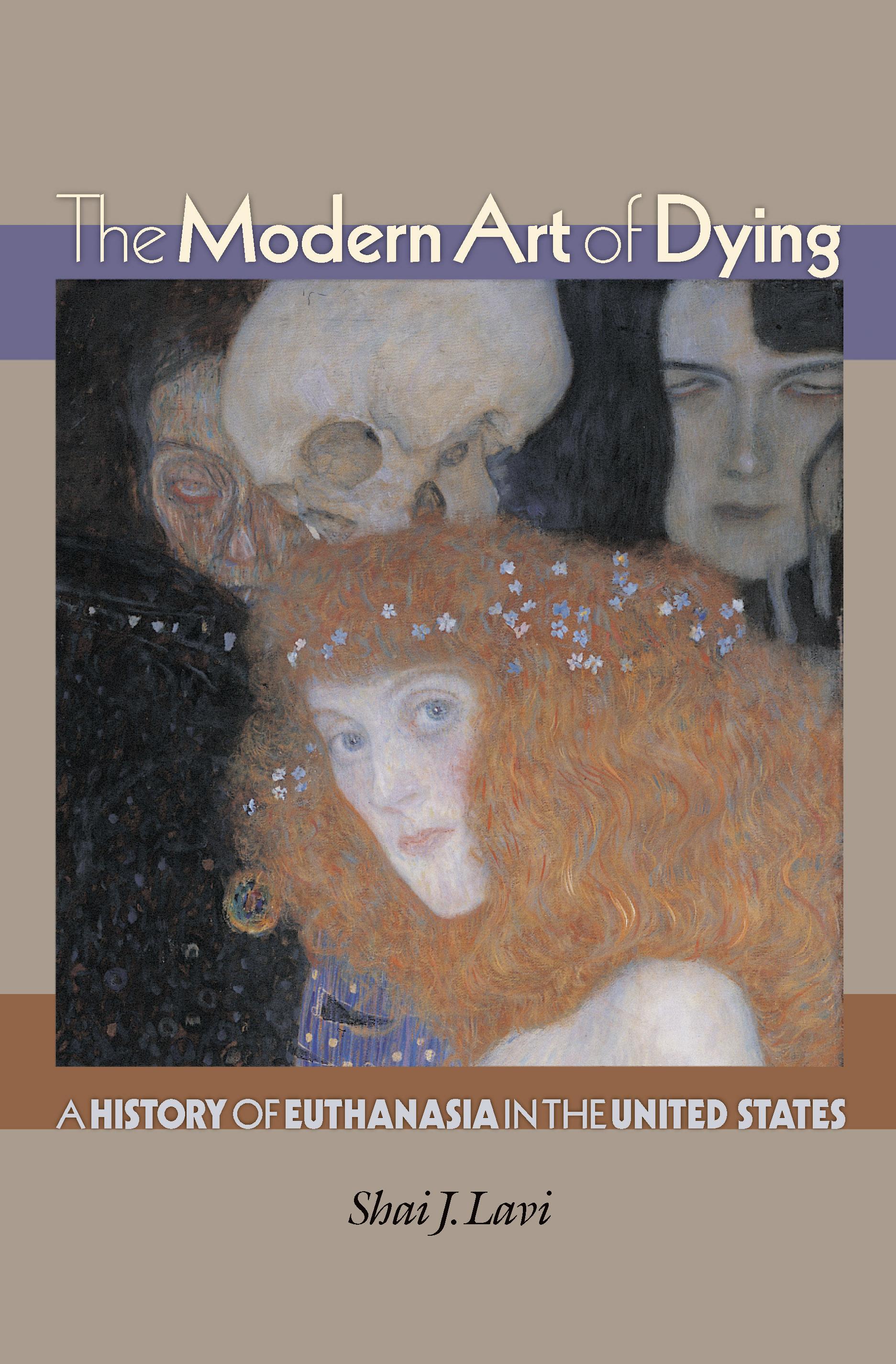
How we die reveals much about how we live. In this provocative book, Shai Lavi traces the history of euthanasia in the United States to show how changing attitudes toward death reflect new and troubling ways of experiencing pain, hope, and freedom.
Lavi begins with the historical meaning of euthanasia as signifying an "easeful death." Over time, he shows, the term came to mean a death blessed by the grace of God, and later, medical hastening of death. Lavi illustrates these changes with compelling accounts of changes at the deathbed. He takes us from early nineteenth-century deathbeds governed by religion through the medicalization of death with the physician presiding over the deathbed, to the legalization of physician-assisted suicide.
Unlike previous books, which have focused on law and technique as explanations for the rise of euthanasia, this book asks why law and technique have come to play such a central role in the way we die. What is at stake in the modern way of dying is not human progress, but rather a fundamental change in the way we experience life in the face of death, Lavi argues. In attempting to gain control over death, he maintains, we may unintentionally have ceded control to policy makers and bio-scientific enterprises.
Betala smidigt med kort, Klarna, Apple Pay eller Google Pay. Är du inte nöjd har du alltid 14 dagars ångerrätt. Läs mer i våra villkor. Har du några frågor, mejla oss på hello@memmo.org.
Memmo gör det enklare att plugga – var du än är i världen. Hos oss samlar du kursböcker och smarta studieverktyg på ett och samma ställe: sammanfattningar, quiz, poddar och flashcards. Och så Ted, din studiekompis som svarar på allt du undrar. Över 50 000 studenter pluggar redan här – byggt för att du ska lära dig snabbare och stressa mindre.