
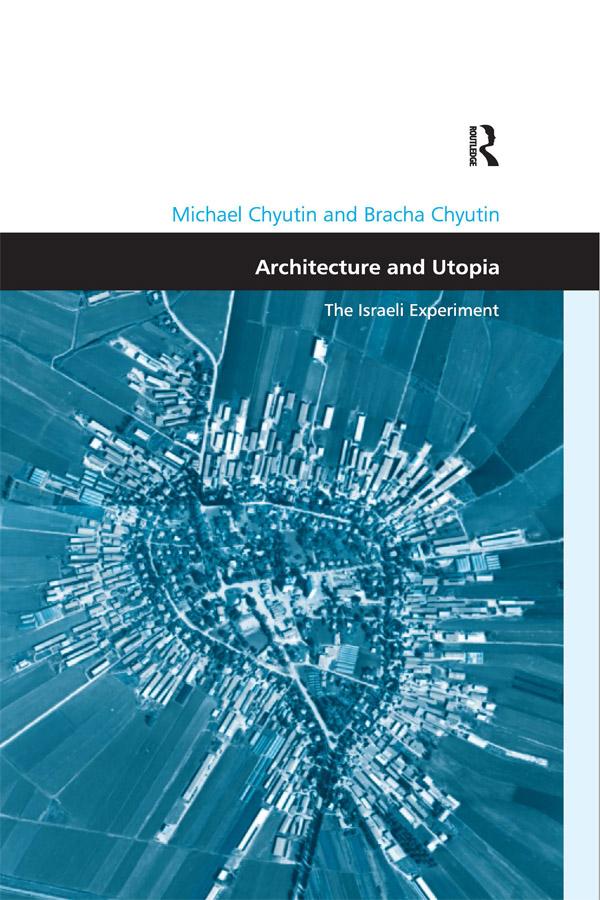
There are more than 450 Moshavim settlements and about 270 kibbutzim in Israel. While there is a range of communal and cooperative kibbutz movements, all with slight ideological differences, they are all collective rural communities, based on an ideal to create a social utopian settlement. Placing the kibbutz within the wider context of utopian social ideals and how they have historically been physically and architecturally constructed, this book discusses the form of the 'ideal settlement' as an integral part and means for realizing a utopian doctrine. It presents an analysis of physical planning in the kibbutz through the past eight decades and how changes in ideology are reflected in changes in layout and aesthetics. In doing so, this book shows how a utopian settlement organization behaves over time, from their first appearance in 1920 on, to an examination of the current spatial layouts and the directions of their expected future development.
Betala smidigt med kort, Klarna, Apple Pay eller Google Pay. Är du inte nöjd har du alltid 14 dagars ångerrätt. Läs mer i våra villkor. Har du några frågor, mejla oss på hello@memmo.org.
Memmo gör det enklare att plugga – var du än är i världen. Hos oss samlar du kursböcker och smarta studieverktyg på ett och samma ställe: sammanfattningar, quiz, poddar och flashcards. Och så Ted, din studiekompis som svarar på allt du undrar. Över 75 000 studenter pluggar redan här – byggt för att du ska lära dig snabbare och stressa mindre.
Du kanske också gillar
Köp boken0