
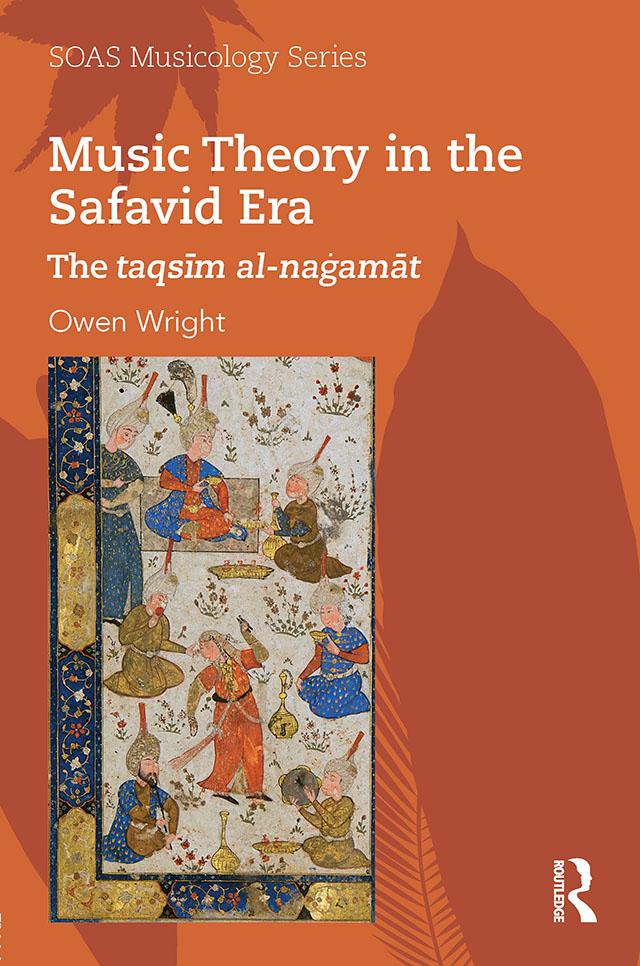
The Safavid era (1501–1722) is one of the most important in the history of Persian culture, celebrated especially for its architecture and art, including miniature paintings that frequently represent singers and instrumentalists. Their presence reflects a sophisticated tradition of music making that was an integral part of court life, yet it is one that remains little known, for the musicological literature of the period is rather thin. There is, however, a significant exception: the text presented and analysed here, a hitherto unpublished and anonymous theoretical work probably of the middle of the sixteenth century. With a Sufi background inspiring the use of the nay as a tool of theoretical demonstration, it is exceptional in presenting descriptive accounts of the modes then in use and suggesting how these might be arranged in complex sequences. As it also gives an account of the corpus of rhythmic cycles it provides a unique insight into the basic structures of art-music during the first century of Safavid rule.
Betala smidigt med kort, Klarna, Apple Pay eller Google Pay. Är du inte nöjd har du alltid 14 dagars ångerrätt. Läs mer i våra villkor. Har du några frågor, mejla oss på hello@memmo.org.
Memmo gör det enklare att plugga – var du än är i världen. Hos oss samlar du kursböcker och smarta studieverktyg på ett och samma ställe: sammanfattningar, quiz, poddar och flashcards. Och så Ted, din studiekompis som svarar på allt du undrar. Över 50 000 studenter pluggar redan här – byggt för att du ska lära dig snabbare och stressa mindre.