
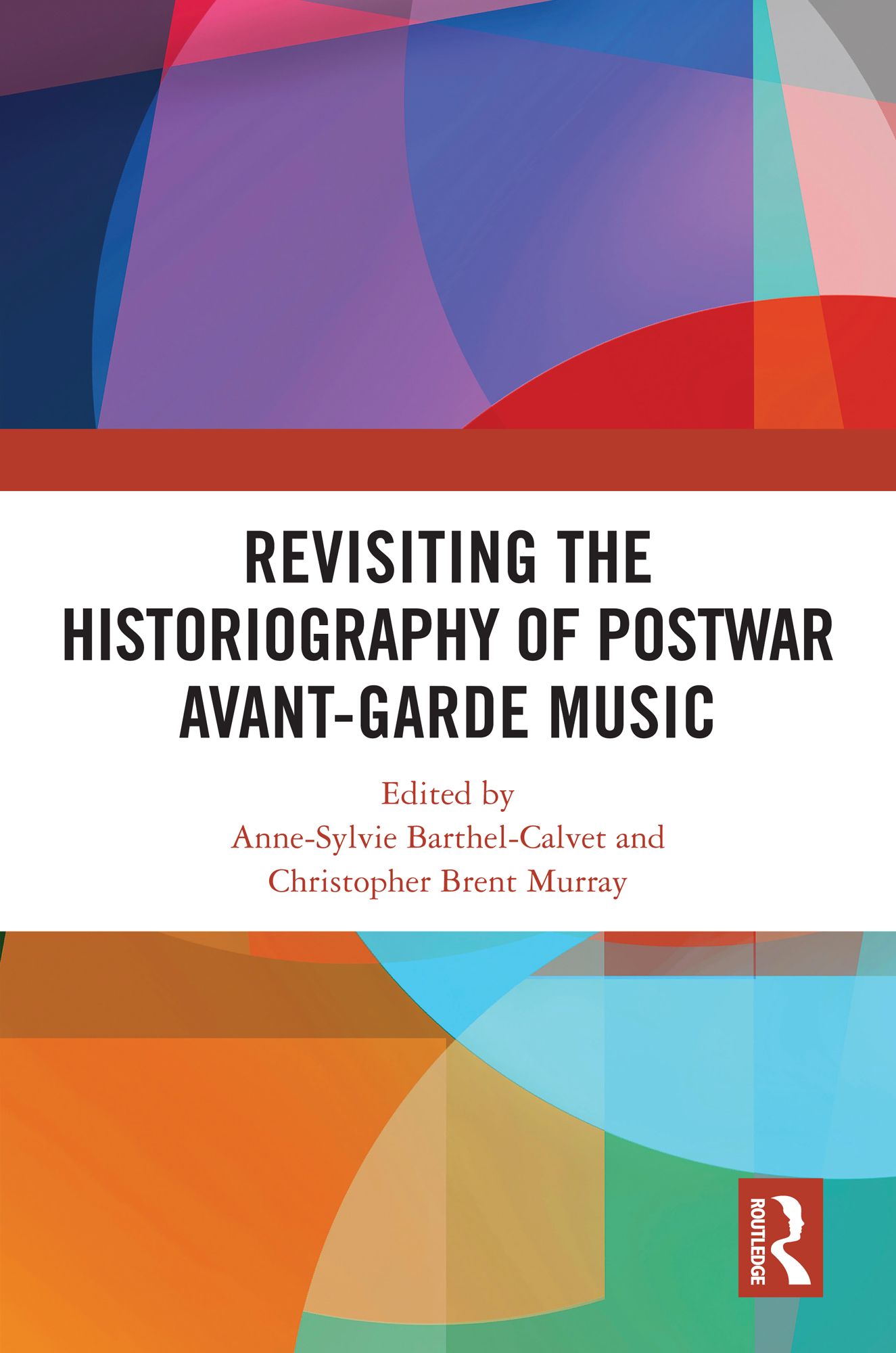
This collection of essays delves into the historiographical traditions that have dominated how the stories of European postwar avant-garde music are told, seeking to approach commonplaces of that history writing from new perspectives. The contributors revisit subjects as varied as the impact of long-playing records on the emergence of open works, Messiaen’s interest in non-European musical traditions, Xenakis’s turn to information theory, Kagel’s strategic invention of a new genre, Berio’s dependence on funding from American foundations, and the ways in which figures like Boulez, Stockhausen, Pousseur, and Nono constructed their musical ancestries. Leading experts in their respective fields, the volume’s authors have sought to rethink the historiography of European experimental music of the 1950s, 1960s, and 1970s in ways that resituate that small but influential milieu in broader historical and cultural contexts. In doing so, they suggest new directions and insights for students and specialists of twentieth-century music and music historiography.
Betala smidigt med kort, Klarna, Apple Pay eller Google Pay. Är du inte nöjd har du alltid 14 dagars ångerrätt. Läs mer i våra villkor. Har du några frågor, mejla oss på hello@memmo.org.
Memmo gör det enklare att plugga – var du än är i världen. Hos oss samlar du kursböcker och smarta studieverktyg på ett och samma ställe: sammanfattningar, quiz, poddar och flashcards. Och så Ted, din studiekompis som svarar på allt du undrar. Över 50 000 studenter pluggar redan här – byggt för att du ska lära dig snabbare och stressa mindre.