
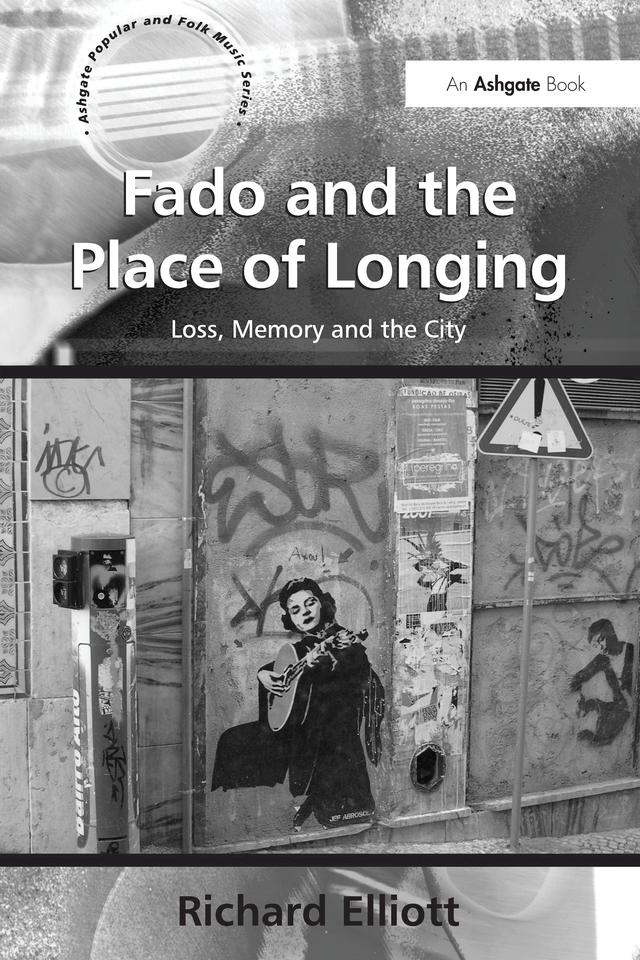
Fado, often described as 'urban folk music', emerged from the streets of Lisbon in the mid-nineteenth century and went on to become Portugal's 'national' music during the twentieth. It is known for its strong emphasis on loss, memory and nostalgia within its song texts, which often refer to absent people and places. One of the main lyrical themes of fado is the city itself. Fado music has played a significant role in the interlacing of mythology, history, memory and regionalism in Portugal in the second half of the twentieth century. Richard Elliott considers the ways in which fado songs bear witness to the city of Lisbon, in relation to the construction and maintenance of the local. Elliott explores the ways in which fado acts as a cultural product reaffirming local identity via recourse to social memory and an imagined community, while also providing a distinctive cultural export for the dissemination of a 'remembered Portugal' on the global stage.
Betala smidigt med kort, Klarna, Apple Pay eller Google Pay. Är du inte nöjd har du alltid 14 dagars ångerrätt. Läs mer i våra villkor. Har du några frågor, mejla oss på hello@memmo.org.
Memmo gör det enklare att plugga – var du än är i världen. Hos oss samlar du kursböcker och smarta studieverktyg på ett och samma ställe: sammanfattningar, quiz, poddar och flashcards. Och så Ted, din studiekompis som svarar på allt du undrar. Över 50 000 studenter pluggar redan här – byggt för att du ska lära dig snabbare och stressa mindre.
Du kanske också gillar
Köp boken0