
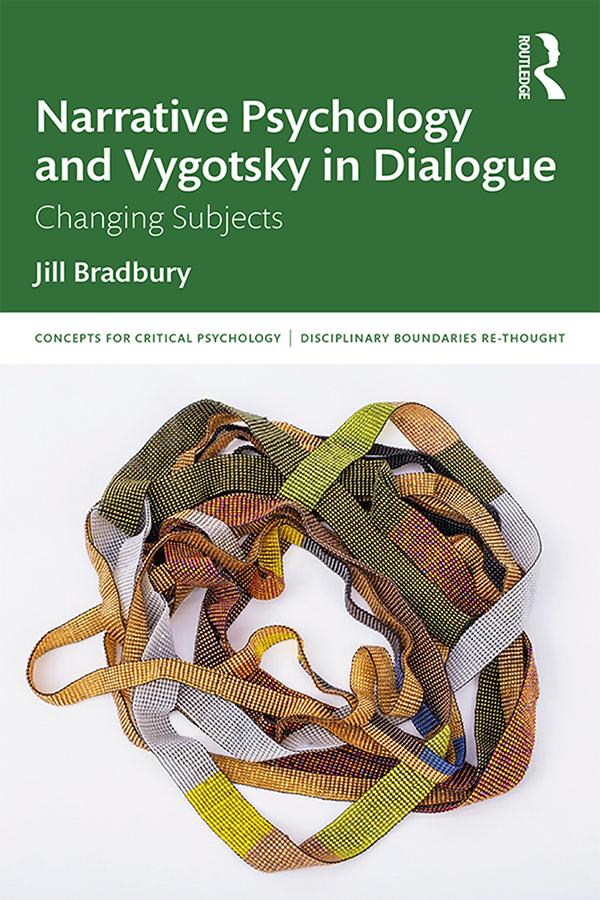
This book draws together two domains of psychological theory, Vygotsky’s cultural-historical theory of cognition and narrative theories of identity, to offer a way of rethinking the human subject as embodied, relational and temporal. A dialogue between these two ostensibly disparate and contested theoretical trajectories provides a new vantage point from which to explore questions of personal and political change.
In a world of deepening inequalities and increasing economic precarity, the demand for free, decolonised quality education as articulated by the South African Student Movement and in many other contexts around the world, is disrupting established institutional practices and reinvigorating possibilities for change. This context provokes new lines of hopeful thought and critical reflection on (dis)continuities across historical time, theories of (social and psychological) developmental processes and the practices of intergenerational life, particularly in the domain of education, for the making of emancipatory futures.
This is essential reading for academics and students interested in Vygotskian and narrative theory and critical psychology, as well as those interested in the politics and praxis of higher education.
Betala smidigt med kort, Klarna, Apple Pay eller Google Pay. Är du inte nöjd har du alltid 14 dagars ångerrätt. Läs mer i våra villkor. Har du några frågor, mejla oss på hello@memmo.org.
Memmo gör det enklare att plugga – var du än är i världen. Hos oss samlar du kursböcker och smarta studieverktyg på ett och samma ställe: sammanfattningar, quiz, poddar och flashcards. Och så Ted, din studiekompis som svarar på allt du undrar. Över 50 000 studenter pluggar redan här – byggt för att du ska lära dig snabbare och stressa mindre.