
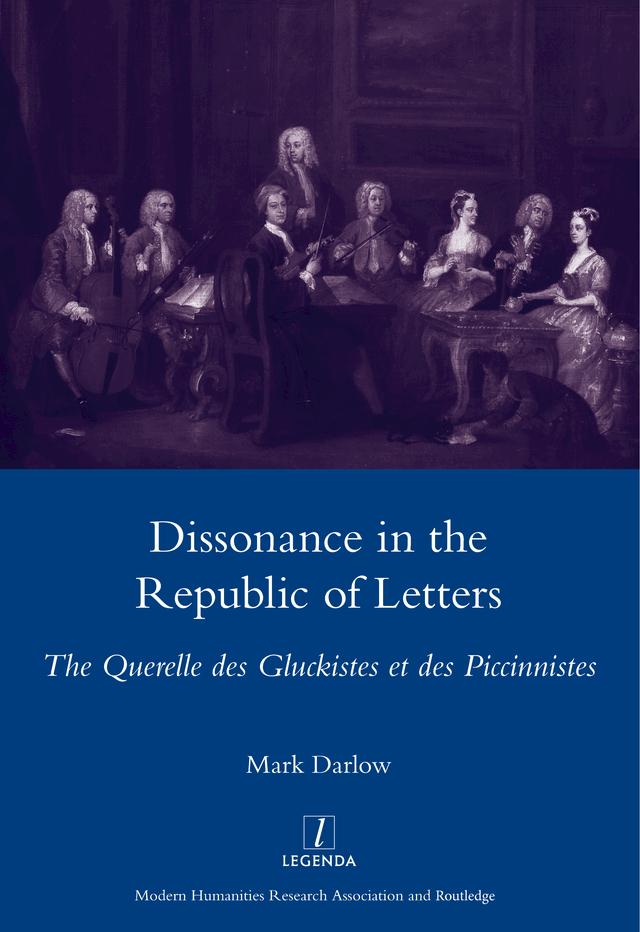
"Eighteenth-century French cultural life was often characterised by quarrels, and the arrival of Viennese composer Christoph Willibald Gluck in Paris in 1774 was no exception, sparking a five-year pamphlet and press controversy which featured a rival Neapolitan composer, Niccolo Piccinni. However, as this study shows, the Gluck-Piccinni controversy was about far more than which composer was better suited to lead French operatic reform. A consideration of cultural politics in 1770s Paris shows that a range of issues were at stake: court versus urban taste as the proper judge of music, whether amateurs or specialists should have the right to speak of opera, whether the epic or the tragic mode is more suited for drama reform, and even: why should the public argue about opera at all? Mark Darlow is Senior Lecturer in French at the University of Cambridge."
Betala smidigt med kort, Klarna, Apple Pay eller Google Pay. Är du inte nöjd har du alltid 14 dagars ångerrätt. Läs mer i våra villkor. Har du några frågor, mejla oss på hello@memmo.org.
Memmo gör det enklare att plugga – var du än är i världen. Hos oss samlar du kursböcker och smarta studieverktyg på ett och samma ställe: sammanfattningar, quiz, poddar och flashcards. Och så Ted, din studiekompis som svarar på allt du undrar. Över 50 000 studenter pluggar redan här – byggt för att du ska lära dig snabbare och stressa mindre.
Du kanske också gillar
Köp boken0