
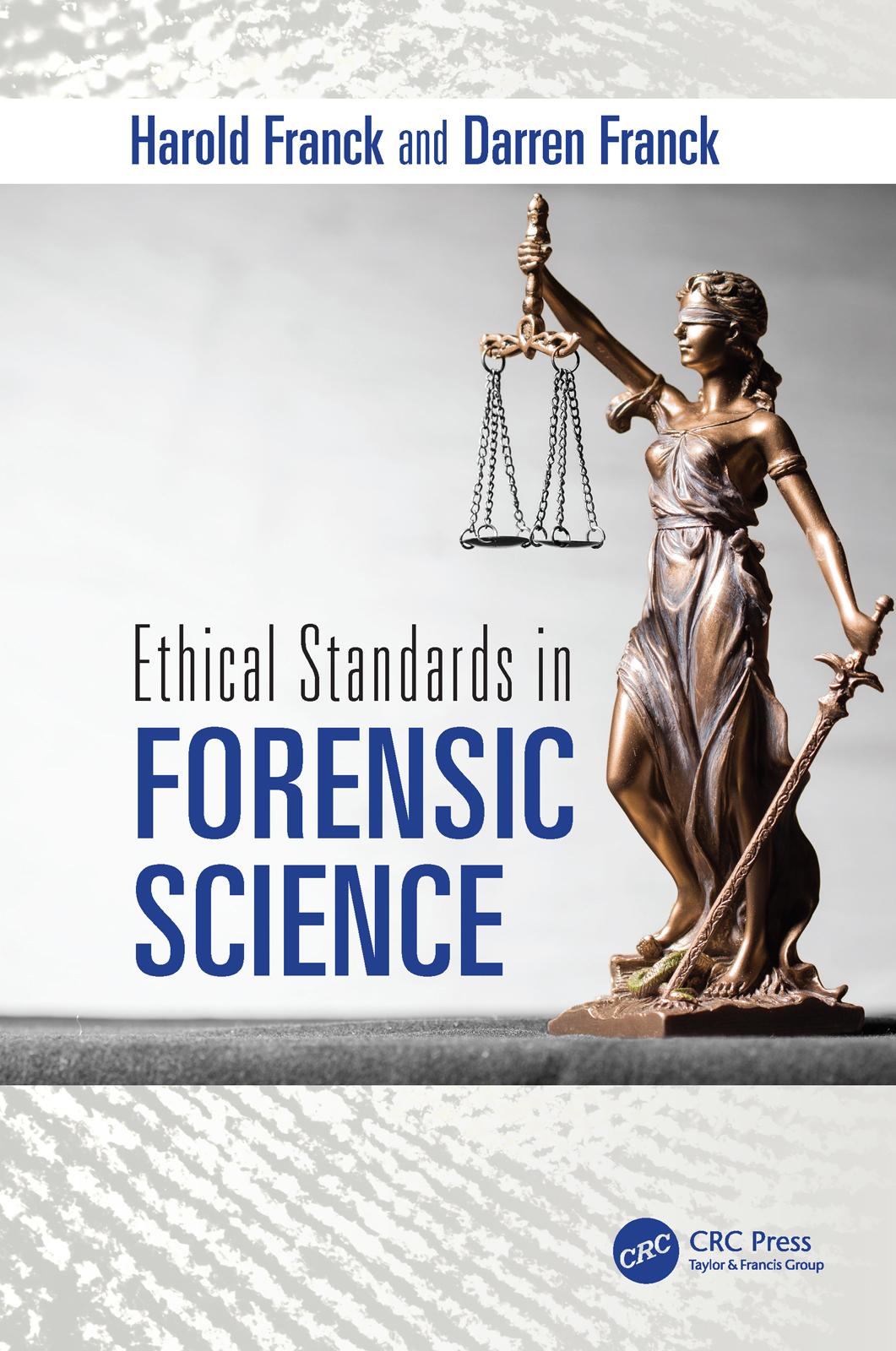
Ethical Standards in Forensic Science seeks to address the myriad practices in forensic science for a variety of evidence and analyses. The book looks at ethics, bias, what constitutes an expert in the field—both as a practitioner and to the court system—as well as the standards of practice as purported by the top forensic organizations. Coverage addresses evidence collection, chain of custody, real versus "junk" science, the damage questionable science can cause to a discipline and the judicial process, testing methods, report writing, and expert witness testimony in civil and criminal cases in a court of law.
The authors’ background in engineering provides a unique perspective on a variety of evidence and testing methods. As such, in addition to coverage the range of evidence and topics cited in the 2009 National Academy of Sciences (NAS) Report, they address numerous challenges that have arisen specifically in forensic engineering cases—their specific area of expertise. Numerous case example are provided to illustrate the inherent danger of bias, inexact science, or expert witnesses taking dangerous and harmful liberties on the stand. Students, lawyers, and professionals in all forensic disciplines will find this a refreshing and accessible approach to elucidate the problem and offer suggestions for reform and change for the good of the entire profession.
Betala smidigt med kort, Klarna, Apple Pay eller Google Pay. Är du inte nöjd har du alltid 14 dagars ångerrätt. Läs mer i våra villkor. Har du några frågor, mejla oss på hello@memmo.org.
Memmo gör det enklare att plugga – var du än är i världen. Hos oss samlar du kursböcker och smarta studieverktyg på ett och samma ställe: sammanfattningar, quiz, poddar och flashcards. Och så Ted, din studiekompis som svarar på allt du undrar. Över 50 000 studenter pluggar redan här – byggt för att du ska lära dig snabbare och stressa mindre.