
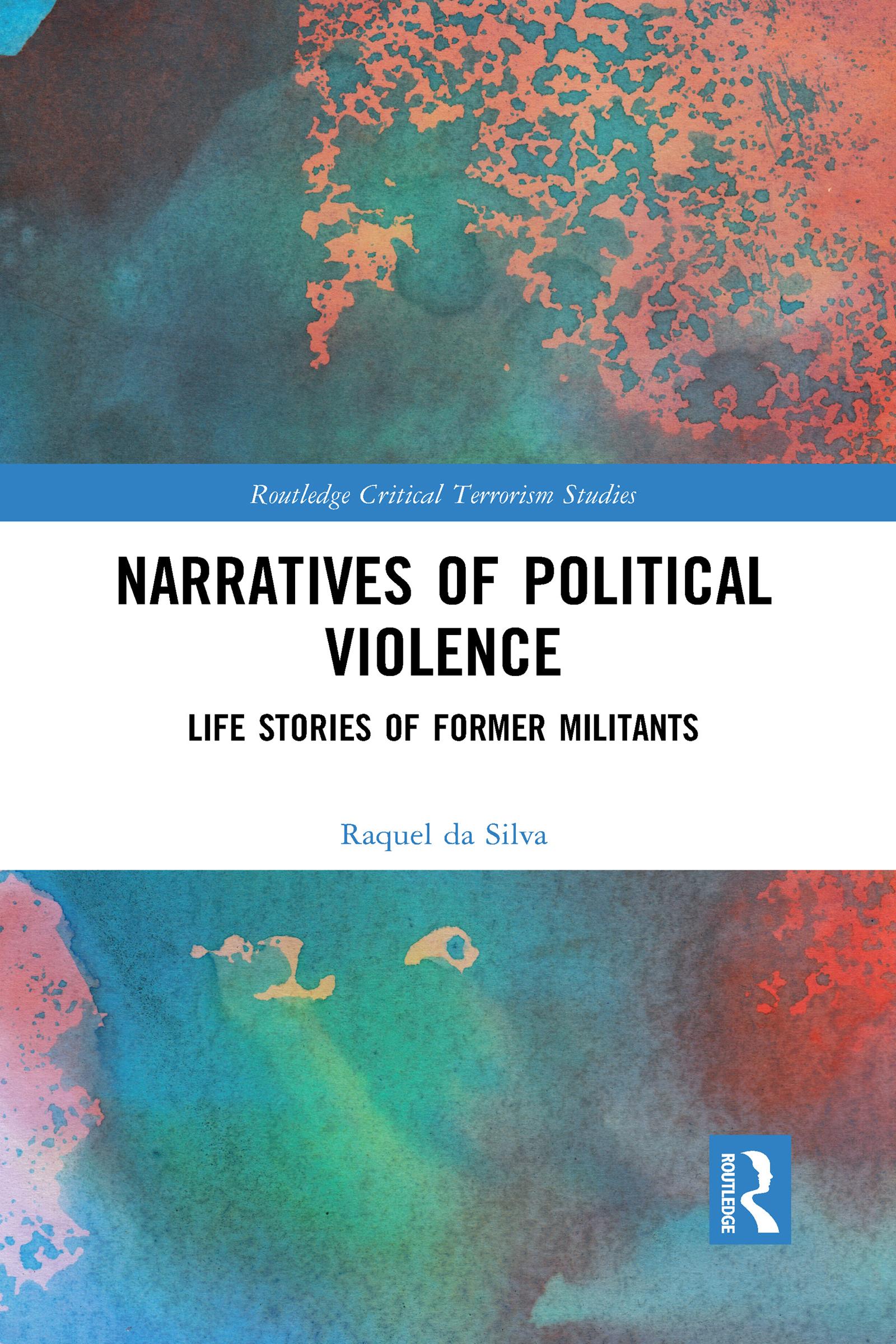
An exploration of how political violence is constructed, this book presents the life stories of individuals once committed to political transformation through violent means in Portugal.
Challenging simplistic conceptualisations about the actors of violence, this book examines issues of temporality, gender and interpersonal dynamics in the study of political violence. It is the first comprehensive case study of political violence in Portugal, based on the perspectives of former militants. These are individuals from different political spheres who became convinced that they could not be mere spectators of the circumstances of their times. For them, the only viable way of making a difference was through violent acts. Applying the Dialogical Self Theory to trace the identity positions underpinning their narratives, this book not only sheds light on radicalisation and deradicalisation processes at the individual level, but also on the meso- and macro-level contexts that instigate engagement with and encourage disengagement from armed organisations.
This book will be of interest to students and scholars of critical terrorism studies, political violence, European history and security studies more generally.
Betala smidigt med kort, Klarna, Apple Pay eller Google Pay. Är du inte nöjd har du alltid 14 dagars ångerrätt. Läs mer i våra villkor. Har du några frågor, mejla oss på hello@memmo.org.
Memmo gör det enklare att plugga – var du än är i världen. Hos oss samlar du kursböcker och smarta studieverktyg på ett och samma ställe: sammanfattningar, quiz, poddar och flashcards. Och så Ted, din studiekompis som svarar på allt du undrar. Över 50 000 studenter pluggar redan här – byggt för att du ska lära dig snabbare och stressa mindre.