
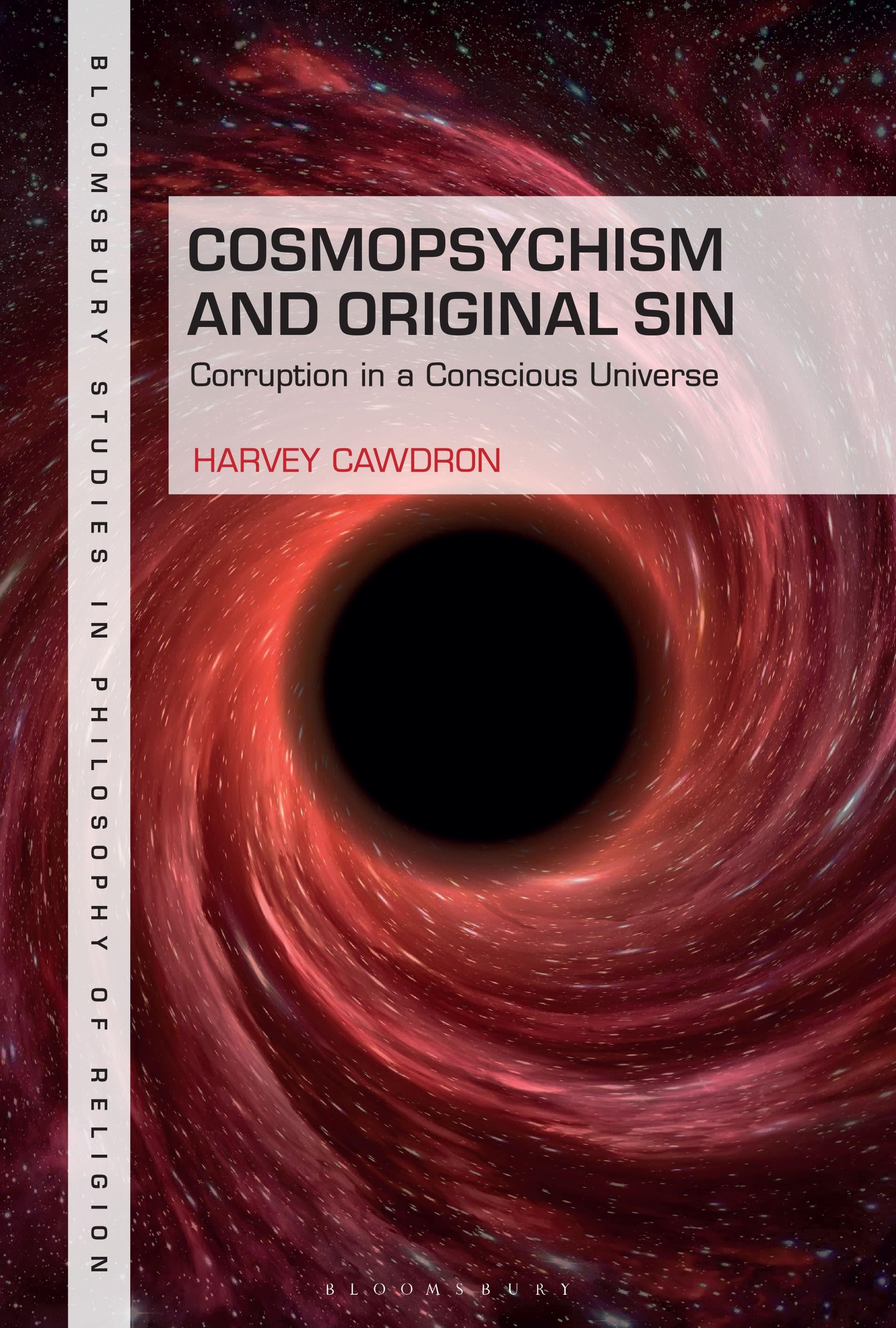
Cawdron's book explores the applications of cosmopsychism, the idea that the universe is conscious, to contemporary discussions of original sin in Christian analytic theology.
There are two issues in the scholarship of original sin that the book focuses on. The first is the transmission issue, which explains how original sin is transmitted between humans. The second is the apparent tension between original sin and moral responsibility. In doctrines that include original guilt, where later humans are considered guilty for the first sin, one has trouble with moral responsibility because later humans cannot have prevented something that happened before they were born. This problem also impacts doctrines that do not include original guilt, as one has to explain how people can be guilty for sinful acts if original sin makes the performance of these acts inevitable. Cawdron argues that cosmopsychism can help us resolve both of these issues, suggesting that the placing of consciousness at the fundamental level in cosmopsychism and the fact that the cosmic subject must individuate, or de-combine, to form other subjects, can provide us with a useful understanding of the transmission of original sin. Cawdron also uses cosmopsychism to develop two models of original sin – one including the doctrine of original guilt, and another that does not – to address tensions between the doctrine and moral responsibility.
There are two issues in the scholarship of original sin that the book focuses on. The first is the transmission issue, which explains how original sin is transmitted between humans. The second is the apparent tension between original sin and moral responsibility. In doctrines that include original guilt, where later humans are considered guilty for the first sin, one has trouble with moral responsibility because later humans cannot have prevented something that happened before they were born. This problem also impacts doctrines that do not include original guilt, as one has to explain how people can be guilty for sinful acts if original sin makes the performance of these acts inevitable. Cawdron argues that cosmopsychism can help us resolve both of these issues, suggesting that the placing of consciousness at the fundamental level in cosmopsychism and the fact that the cosmic subject must individuate, or de-combine, to form other subjects, can provide us with a useful understanding of the transmission of original sin. Cawdron also uses cosmopsychism to develop two models of original sin – one including the doctrine of original guilt, and another that does not – to address tensions between the doctrine and moral responsibility.
Betala smidigt med kort, Klarna, Apple Pay eller Google Pay. Är du inte nöjd har du alltid 14 dagars ångerrätt. Läs mer i våra villkor. Har du några frågor, mejla oss på hello@memmo.org.
Memmo gör det enklare att plugga – var du än är i världen. Hos oss samlar du kursböcker och smarta studieverktyg på ett och samma ställe: sammanfattningar, quiz, poddar och flashcards. Och så Ted, din studiekompis som svarar på allt du undrar. Över 50 000 studenter pluggar redan här – byggt för att du ska lära dig snabbare och stressa mindre.