
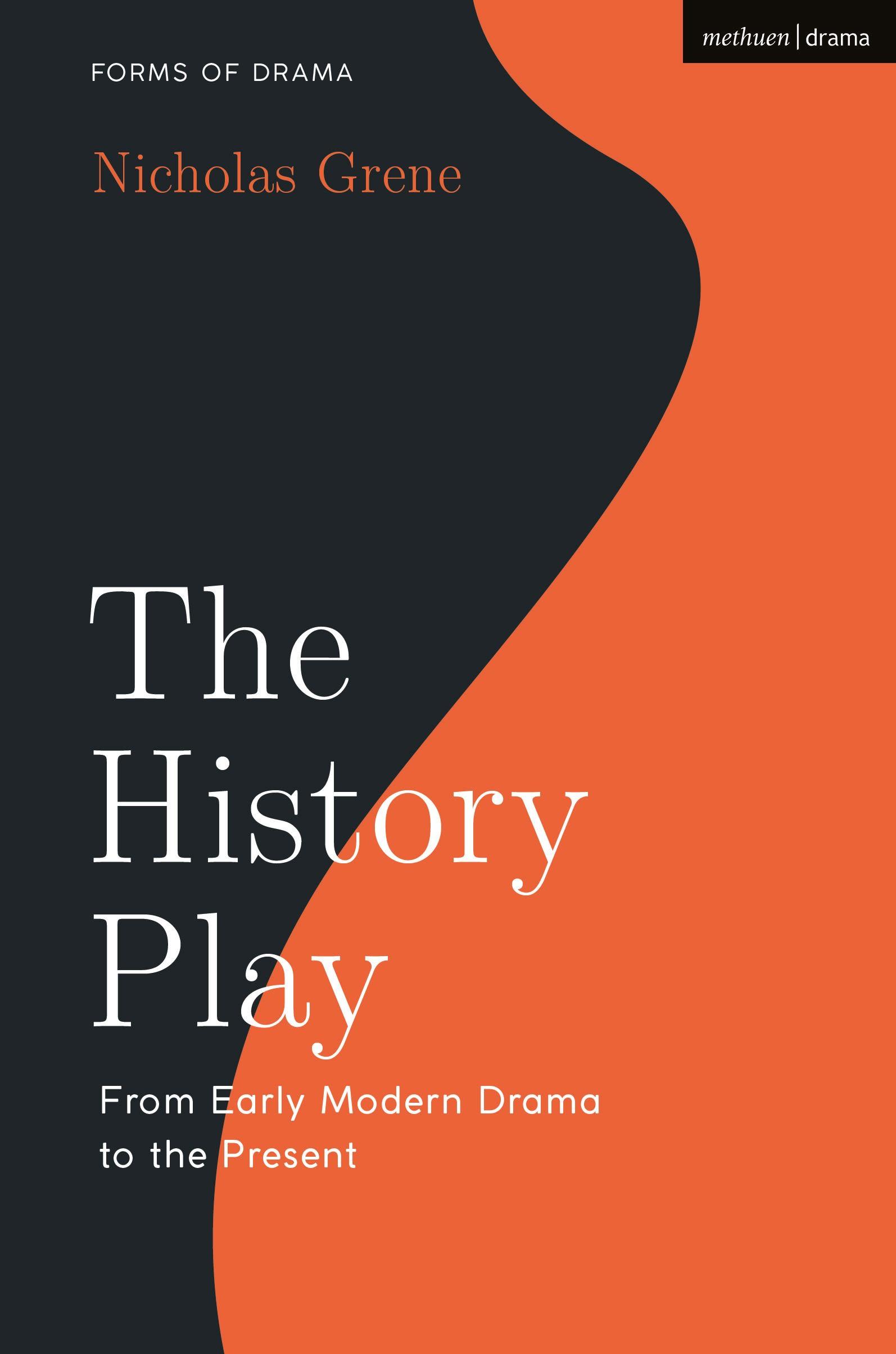
Traversing 400 years of drama, this book examines the history play as a distinctive form that has its origins in the Early Modern period and which evolves in each subsequent period according to the segment of history being dramatized and the changing conceptions of the state.
Much has been written on Shakespeare's history plays but very little on the overall form and whether it is distinguished by the historical accuracy of the drama, the relationship with the audience or the underlying political ideology. Defining the history play as one where the dramatic focus is on historical practice embodied in action rather than merely on the individual characters involved, a clear form emerges. Threaded through is a consideration of the changing understanding of history itself through the centuries and the ways in which playwrights have engaged with both the history of their own time, and the history of other times and cultures as it reflects their own.
Beginning with Shakespeare, his contemporaries Marlowe and Jonson, and the neocclassical Racine, the book moves to the long 19th century, considering plays by Goethe and Schiller, so influenced by Shakespeare, taking in Buchner, Ibsen and Schiller. The final part explores the 20th and 21st centuries, including the radical innovations of Shaw and Brecht, Miller's The Crucible, Churchill's early play Light Shining in Buckinghamshire and works by Tony Kushner and Tom Stoppard.
Much has been written on Shakespeare's history plays but very little on the overall form and whether it is distinguished by the historical accuracy of the drama, the relationship with the audience or the underlying political ideology. Defining the history play as one where the dramatic focus is on historical practice embodied in action rather than merely on the individual characters involved, a clear form emerges. Threaded through is a consideration of the changing understanding of history itself through the centuries and the ways in which playwrights have engaged with both the history of their own time, and the history of other times and cultures as it reflects their own.
Beginning with Shakespeare, his contemporaries Marlowe and Jonson, and the neocclassical Racine, the book moves to the long 19th century, considering plays by Goethe and Schiller, so influenced by Shakespeare, taking in Buchner, Ibsen and Schiller. The final part explores the 20th and 21st centuries, including the radical innovations of Shaw and Brecht, Miller's The Crucible, Churchill's early play Light Shining in Buckinghamshire and works by Tony Kushner and Tom Stoppard.
Betala smidigt med kort, Klarna, Apple Pay eller Google Pay. Är du inte nöjd har du alltid 14 dagars ångerrätt. Läs mer i våra villkor. Har du några frågor, mejla oss på hello@memmo.org.
Memmo gör det enklare att plugga – var du än är i världen. Hos oss samlar du kursböcker och smarta studieverktyg på ett och samma ställe: sammanfattningar, quiz, poddar och flashcards. Och så Ted, din studiekompis som svarar på allt du undrar. Över 50 000 studenter pluggar redan här – byggt för att du ska lära dig snabbare och stressa mindre.