
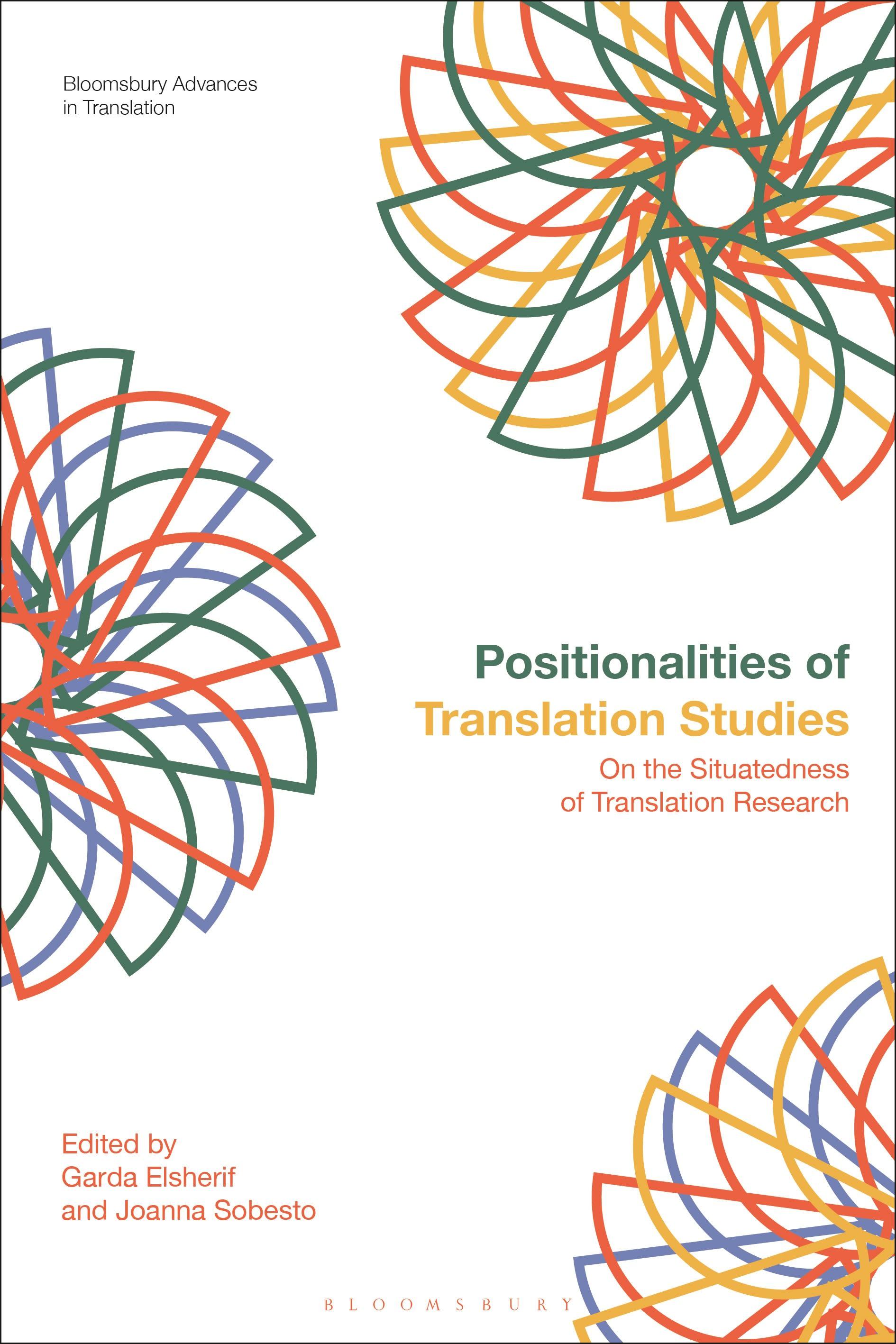
This volume explores historical, cultural, linguistic, and anthropocentric influences on Translation Studies (TS).
It brings together nuanced, individual, self-reflexive case studies and juxtaposes them in order to provoke discussion on the role of contemporary researchers in the discipline of TS. As well as reflecting on the historical and geographical dimensions of the situatedness of TS, the book builds on existing reflections on the local, political and linguistic positions of TS and examines the practical and methodological consequences of these discussions.
By considering insights and perspectives from various disciplines, the contributors refer to the current state of the art in TS and reconstruct the discussions held on Eurocentrism, anthropocentrism and the historicity of TS that have been discussed in isolation so far. This volume maps potential relations between them and introduces an analytical concept of positionality that highlights commonalities among various discourses. As well as theoretical and historical analysis, the contributors ask how to methodologically deal with this inevitable positioning of research in contemporary research practice. The contributions cover various aspects of positionalities and its influences on translation research, including gender, anthropocentrism, experiential knowledge and geopolitics. They also explore various histories of translation studies, in different temporal, spatial and linguistic settings, such as China/Chinese, Iran/Persian, the Netherlands/English, Ukraine/Ukrainian/Russian and France/French, thereby highlighting that TS as a discipline is not a monolith but consists of various histories interconnected with each other.
It brings together nuanced, individual, self-reflexive case studies and juxtaposes them in order to provoke discussion on the role of contemporary researchers in the discipline of TS. As well as reflecting on the historical and geographical dimensions of the situatedness of TS, the book builds on existing reflections on the local, political and linguistic positions of TS and examines the practical and methodological consequences of these discussions.
By considering insights and perspectives from various disciplines, the contributors refer to the current state of the art in TS and reconstruct the discussions held on Eurocentrism, anthropocentrism and the historicity of TS that have been discussed in isolation so far. This volume maps potential relations between them and introduces an analytical concept of positionality that highlights commonalities among various discourses. As well as theoretical and historical analysis, the contributors ask how to methodologically deal with this inevitable positioning of research in contemporary research practice. The contributions cover various aspects of positionalities and its influences on translation research, including gender, anthropocentrism, experiential knowledge and geopolitics. They also explore various histories of translation studies, in different temporal, spatial and linguistic settings, such as China/Chinese, Iran/Persian, the Netherlands/English, Ukraine/Ukrainian/Russian and France/French, thereby highlighting that TS as a discipline is not a monolith but consists of various histories interconnected with each other.
Betala smidigt med kort, Klarna, Apple Pay eller Google Pay. Är du inte nöjd har du alltid 14 dagars ångerrätt. Läs mer i våra villkor. Har du några frågor, mejla oss på hello@memmo.org.
Memmo gör det enklare att plugga – var du än är i världen. Hos oss samlar du kursböcker och smarta studieverktyg på ett och samma ställe: sammanfattningar, quiz, poddar och flashcards. Och så Ted, din studiekompis som svarar på allt du undrar. Över 75 000 studenter pluggar redan här – byggt för att du ska lära dig snabbare och stressa mindre.