
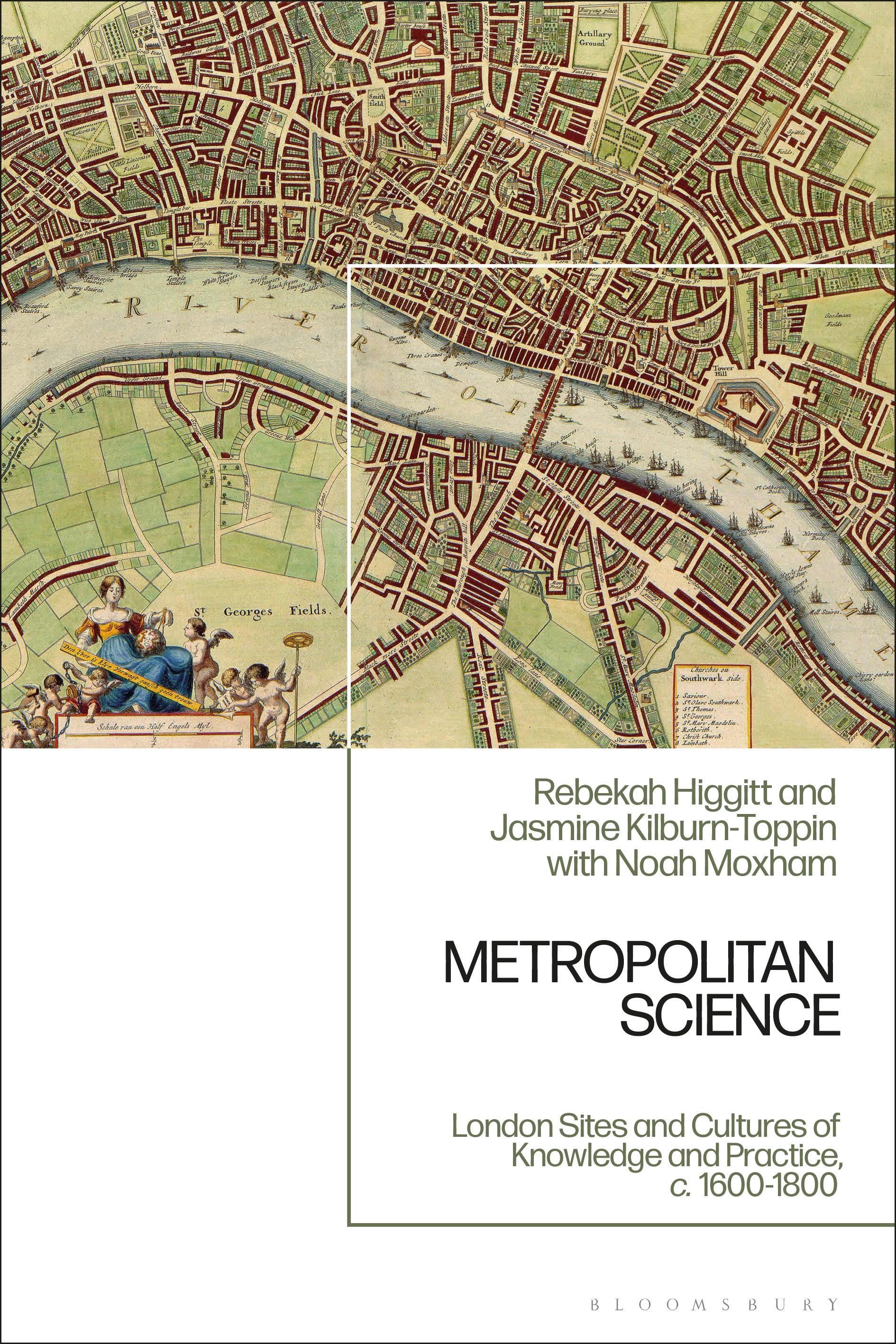
Exploring distinctive practices in the artisanal, mercantile, and governmental sites of London, Metropolitan Science offers a new perspective on the development of a scientific culture between the years 1600-1800.
Beginning with the demographics of London in the 17th and 18th centuries, including its attraction of migrants, importance as a centre of empire, and the role of its institutions in government, the authors analyse how and why London was a unique site of scientific activity. Through the use of case studies, such as the Tower of London's Royal Mint, and the Livery Company Halls, this book examines the city's sites of exchange for knowledge and practice, and highlights the importance of both public and private spaces.
With exploration of London's military and colonial history, the authors acknowledge how its port and maritime trade were not only central to growth and protection, but also facilitated the organisation, assessment, valuation, and pursuit of knowledge in the city. Ultimately, this book demonstrates that London corporations produced unique knowledge communities that drew on networks across the city and beyond, and uses a variety of spatial and material approaches to reveal the use, representation, and exchange of practice in these collective settings.
Beginning with the demographics of London in the 17th and 18th centuries, including its attraction of migrants, importance as a centre of empire, and the role of its institutions in government, the authors analyse how and why London was a unique site of scientific activity. Through the use of case studies, such as the Tower of London's Royal Mint, and the Livery Company Halls, this book examines the city's sites of exchange for knowledge and practice, and highlights the importance of both public and private spaces.
With exploration of London's military and colonial history, the authors acknowledge how its port and maritime trade were not only central to growth and protection, but also facilitated the organisation, assessment, valuation, and pursuit of knowledge in the city. Ultimately, this book demonstrates that London corporations produced unique knowledge communities that drew on networks across the city and beyond, and uses a variety of spatial and material approaches to reveal the use, representation, and exchange of practice in these collective settings.
Betala smidigt med kort, Klarna, Apple Pay eller Google Pay. Är du inte nöjd har du alltid 14 dagars ångerrätt. Läs mer i våra villkor. Har du några frågor, mejla oss på hello@memmo.org.
Memmo gör det enklare att plugga – var du än är i världen. Hos oss samlar du kursböcker och smarta studieverktyg på ett och samma ställe: sammanfattningar, quiz, poddar och flashcards. Och så Ted, din studiekompis som svarar på allt du undrar. Över 50 000 studenter pluggar redan här – byggt för att du ska lära dig snabbare och stressa mindre.