
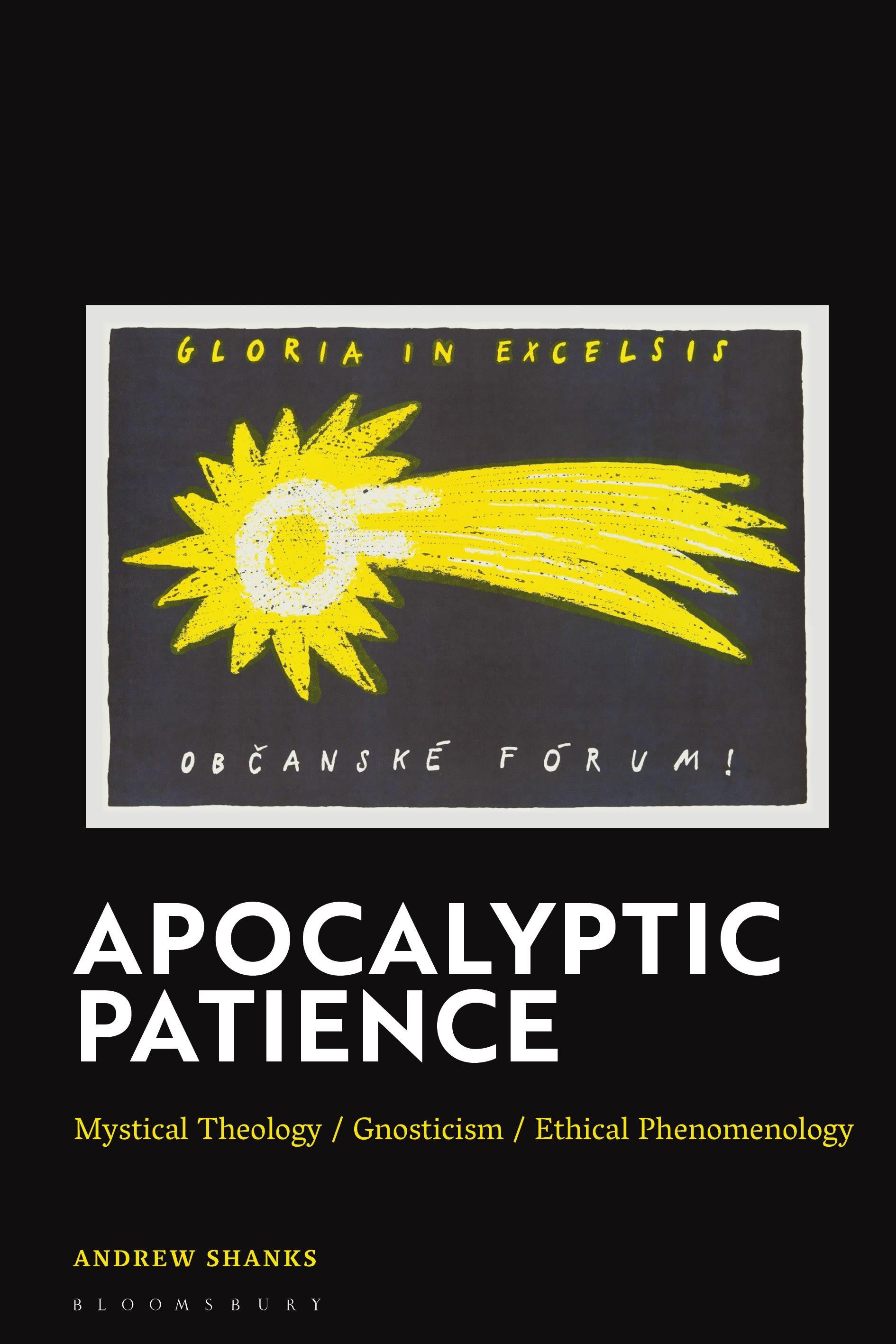
Andrew Shanks brings together a grand narrative of theology and continental philosophy to argue that the 'solidarity of the shaken' is the kingdom of God in secular dress.
Shanks engages with the philosophy of Jan Patocka; specifically, his Heretical Essays in the Philosophy of History, which culminate in the concept of the 'solidarity of the shaken'. Such solidarity is quite simply that which empowers the most radically thoughtful openness to others, embattled against even the most repressive closure; a solidarity without any other essential qualification.
Split into three distinct parts, Shanks begins by discussing Patocka's philosophico-centric grand narrative, and drawing wider reference to the pre-philosophic origins of Abrahamic religious tradition. This is followed by an exploration of mystical theology, Christian and Islamic; of its decay into 'mysticism', and its influence on Christian and Jewish gnostic traditions. The final third presents a discussion on ethical phenomenology. Analysing the proponents of a 'pathos of shakenness' such as Kierkegaard, Levinas, Løgstrup, he juxtaposes 19th-century thinkers such as Arendt and Hegel with Heidegger and Strauss as he moves through the century, and eventually to the rise of secular public conscience movement.
Shanks engages with the philosophy of Jan Patocka; specifically, his Heretical Essays in the Philosophy of History, which culminate in the concept of the 'solidarity of the shaken'. Such solidarity is quite simply that which empowers the most radically thoughtful openness to others, embattled against even the most repressive closure; a solidarity without any other essential qualification.
Split into three distinct parts, Shanks begins by discussing Patocka's philosophico-centric grand narrative, and drawing wider reference to the pre-philosophic origins of Abrahamic religious tradition. This is followed by an exploration of mystical theology, Christian and Islamic; of its decay into 'mysticism', and its influence on Christian and Jewish gnostic traditions. The final third presents a discussion on ethical phenomenology. Analysing the proponents of a 'pathos of shakenness' such as Kierkegaard, Levinas, Løgstrup, he juxtaposes 19th-century thinkers such as Arendt and Hegel with Heidegger and Strauss as he moves through the century, and eventually to the rise of secular public conscience movement.
Betala smidigt med kort, Klarna, Apple Pay eller Google Pay. Är du inte nöjd har du alltid 14 dagars ångerrätt. Läs mer i våra villkor. Har du några frågor, mejla oss på hello@memmo.org.
Memmo gör det enklare att plugga – var du än är i världen. Hos oss samlar du kursböcker och smarta studieverktyg på ett och samma ställe: sammanfattningar, quiz, poddar och flashcards. Och så Ted, din studiekompis som svarar på allt du undrar. Över 50 000 studenter pluggar redan här – byggt för att du ska lära dig snabbare och stressa mindre.