
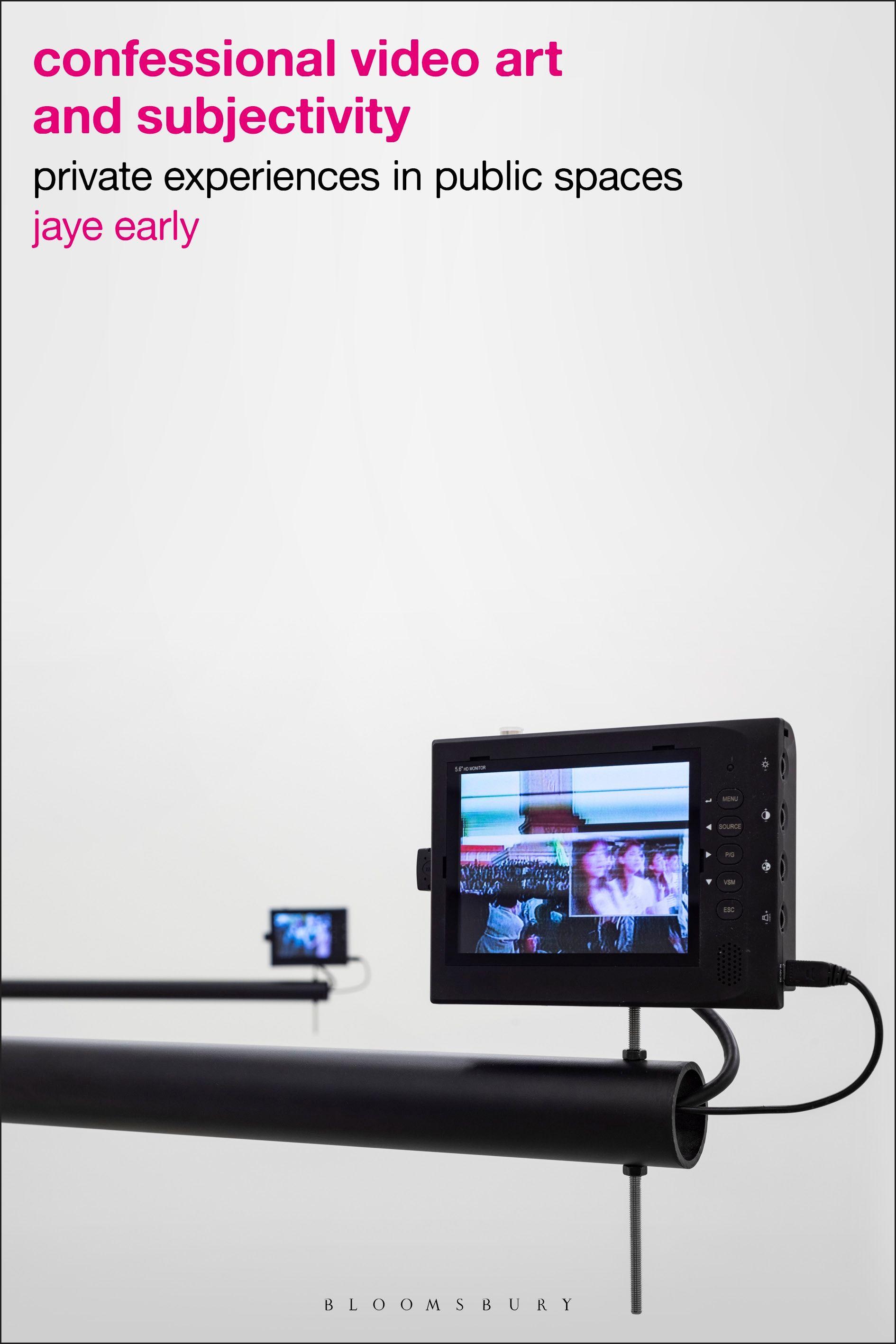
This is the first book of its kind to examine the development of the confessional subject in video art and demonstrate how it can provide a vital platform for navigating the politics of self, subjectivity, and resistance in society. In doing so, it reframes video art – the most ubiquitous and yet most understudied art form of recent decades – as an urgent socio-political tool that is increasingly popular among contemporary artists as a means of exploring a broad range of social issues, from politics and identity, to the body and technologies of self-representation.
Analysing a diverse selection of case studies from the 1960s up to the present day, covering the work of Yoko Ono, Gillian Wearing, Ryan Trecartin, Tracey Emin, Anatasia Klose, and Heath Franco, among others, the book brings together theory and practice to look afresh at contemporary video art through a Foucauldian lens. It also brings the analysis of video art up to date by showing how social media and digital self representation has informed and further politicized time-based art practices.
Confessional Video Art and Subjectivity shows how forms of confessional discourse not only play an important function in the construction of subjectivity but also open spaces for personal resistance and agency within contemporary video art. As a result, it offers researchers of contemporary art practice, and media and cultural studies, an updated framework through which to view this constantly-evolving genre and a deeper understanding of wider contemporary video practices.
Analysing a diverse selection of case studies from the 1960s up to the present day, covering the work of Yoko Ono, Gillian Wearing, Ryan Trecartin, Tracey Emin, Anatasia Klose, and Heath Franco, among others, the book brings together theory and practice to look afresh at contemporary video art through a Foucauldian lens. It also brings the analysis of video art up to date by showing how social media and digital self representation has informed and further politicized time-based art practices.
Confessional Video Art and Subjectivity shows how forms of confessional discourse not only play an important function in the construction of subjectivity but also open spaces for personal resistance and agency within contemporary video art. As a result, it offers researchers of contemporary art practice, and media and cultural studies, an updated framework through which to view this constantly-evolving genre and a deeper understanding of wider contemporary video practices.
Betala smidigt med kort, Klarna, Apple Pay eller Google Pay. Är du inte nöjd har du alltid 14 dagars ångerrätt. Läs mer i våra villkor. Har du några frågor, mejla oss på hello@memmo.org.
Memmo gör det enklare att plugga – var du än är i världen. Hos oss samlar du kursböcker och smarta studieverktyg på ett och samma ställe: sammanfattningar, quiz, poddar och flashcards. Och så Ted, din studiekompis som svarar på allt du undrar. Över 50 000 studenter pluggar redan här – byggt för att du ska lära dig snabbare och stressa mindre.