
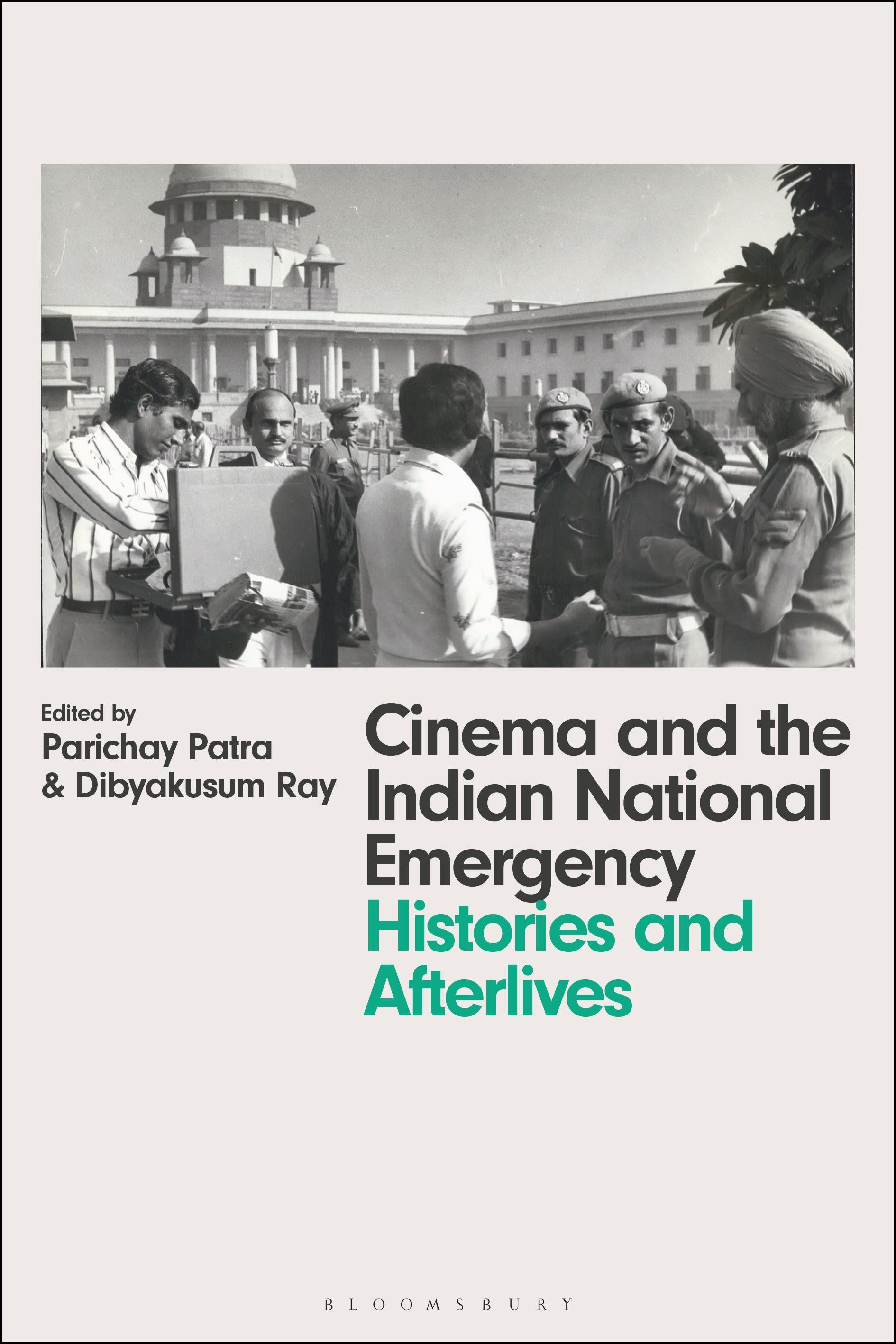
The Indian National Emergency of 1975 to 1977, saw the suspension of civil liberties, increasing censorship, and extra-judicial state control. It is recognised as one of the most tumultuous periods in the history of postcolonial India, and its socio-political consequences have been exhaustively studied. Despite this, the profound cinematic implications of this event have remained relatively unexplored.
This book examines the strained relationship between the state and the Indian film industry during this 21 month period of political upheaval. Each of the essays, written from a broad range of critical perspectives, consider the various modes of state suppression adopted, from increasing levels of film censorship to police surveillance of film productions and exhibitions.
Contributors analyse controversial films such as Aandhi (1975) and Nasbandi (1978), which were banned for the duration of the Emergency, and overtly political films such as Kissa Kursi Ka (1977), the prints of which were permanently confiscated owing to the film's criticisms of the state. They also consider the political and aesthetic dilemmas of state-sponsored films such as Ashadh Ka Ek Din (1971), which was made to be explicitly apolitical and came to be known as a key work of New Indian Cinema.
This book examines the strained relationship between the state and the Indian film industry during this 21 month period of political upheaval. Each of the essays, written from a broad range of critical perspectives, consider the various modes of state suppression adopted, from increasing levels of film censorship to police surveillance of film productions and exhibitions.
Contributors analyse controversial films such as Aandhi (1975) and Nasbandi (1978), which were banned for the duration of the Emergency, and overtly political films such as Kissa Kursi Ka (1977), the prints of which were permanently confiscated owing to the film's criticisms of the state. They also consider the political and aesthetic dilemmas of state-sponsored films such as Ashadh Ka Ek Din (1971), which was made to be explicitly apolitical and came to be known as a key work of New Indian Cinema.
Betala smidigt med kort, Klarna, Apple Pay eller Google Pay. Är du inte nöjd har du alltid 14 dagars ångerrätt. Läs mer i våra villkor. Har du några frågor, mejla oss på hello@memmo.org.
Memmo gör det enklare att plugga – var du än är i världen. Hos oss samlar du kursböcker och smarta studieverktyg på ett och samma ställe: sammanfattningar, quiz, poddar och flashcards. Och så Ted, din studiekompis som svarar på allt du undrar. Över 50 000 studenter pluggar redan här – byggt för att du ska lära dig snabbare och stressa mindre.