
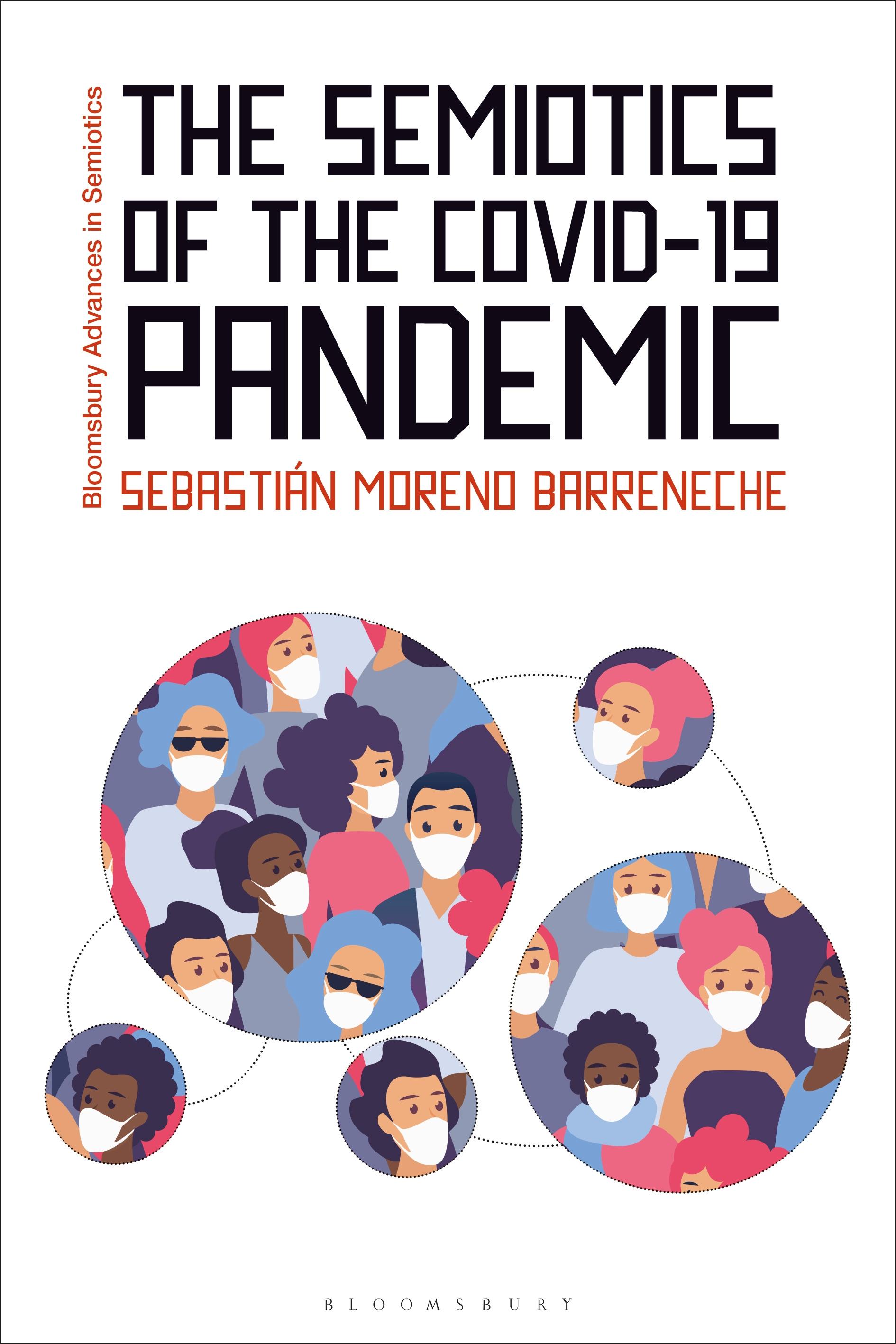
Focusing on the discursive dimension of the COVID-19 pandemic from a semiotic perspective, this book uses semiotic theory and methods to analyse the meaning-making mechanisms and dynamics that occurred during, and revolved around, the pandemic.
Demonstrating the utility of semiotic theory, concepts and analytical methods to make sense of discursive phenomena like those triggered by the COVID-19 pandemic, the book explores in detail:
· the blame-attribution discourses that emerged at the beginning of the pandemic;
· how the coronavirus was brought to life in plastic and visual manifestations as a monster that poses a threat to humans;
· how the collective actor 'the healthcare workers' was constructed in discourse and axiologised in positive terms;
· the semiotics of the body during the pandemic, with a focus on the face, facemasks, social distancing and the uses of the body in online environments;
· the idea of a 'new' normality following the pandemic.
The book examines different dimensions of the COVID-19 pandemic, including examples from Europe, Latin America and the United States and a wide range of images, texts, practices and objects, in order to highlight the importance of its discursive and semiotic nature.
Demonstrating the utility of semiotic theory, concepts and analytical methods to make sense of discursive phenomena like those triggered by the COVID-19 pandemic, the book explores in detail:
· the blame-attribution discourses that emerged at the beginning of the pandemic;
· how the coronavirus was brought to life in plastic and visual manifestations as a monster that poses a threat to humans;
· how the collective actor 'the healthcare workers' was constructed in discourse and axiologised in positive terms;
· the semiotics of the body during the pandemic, with a focus on the face, facemasks, social distancing and the uses of the body in online environments;
· the idea of a 'new' normality following the pandemic.
The book examines different dimensions of the COVID-19 pandemic, including examples from Europe, Latin America and the United States and a wide range of images, texts, practices and objects, in order to highlight the importance of its discursive and semiotic nature.
Betala smidigt med kort, Klarna, Apple Pay eller Google Pay. Är du inte nöjd har du alltid 14 dagars ångerrätt. Läs mer i våra villkor. Har du några frågor, mejla oss på hello@memmo.org.
Memmo gör det enklare att plugga – var du än är i världen. Hos oss samlar du kursböcker och smarta studieverktyg på ett och samma ställe: sammanfattningar, quiz, poddar och flashcards. Och så Ted, din studiekompis som svarar på allt du undrar. Över 50 000 studenter pluggar redan här – byggt för att du ska lära dig snabbare och stressa mindre.