
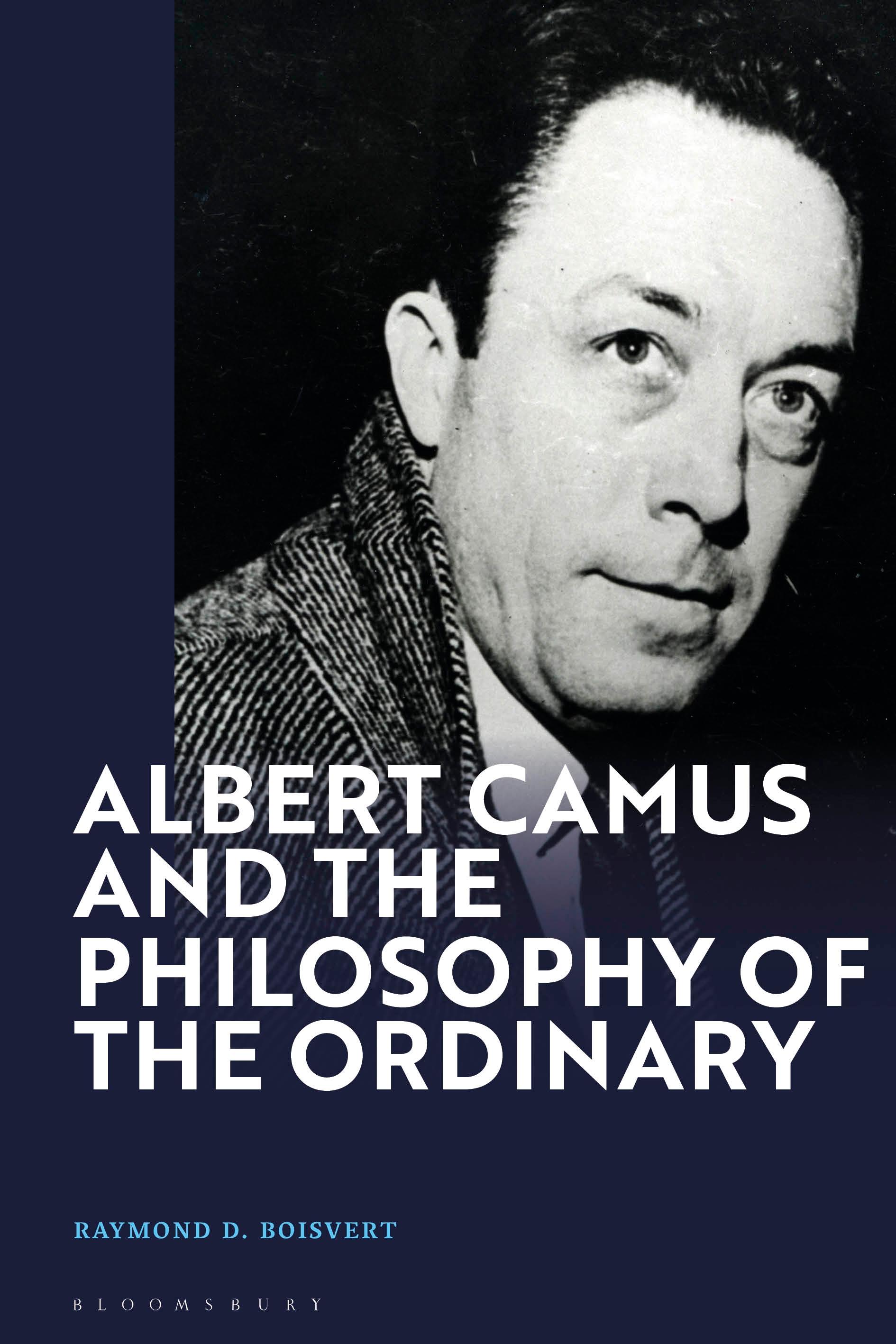
The standard interpretation keeps repeating that Camus is the prototypical “absurdist” thinker. Such a reading freezes Camus at the stage at which he wrote The Stranger and The Myth of Sisyphus. By taking seriously how (1) Camus was always searching and (2) the rest of his corpus, Albert Camus and the Philosophy of the Ordinary corrects the one-sided, and thus faulty, depiction of Camus as committed to a philosophy of absurdism. His guiding project, which he explicitly acknowledged, was an attempt to get beyond nihilism, the general dismissal of value and meaning in ordinary life. Tracing this project via Camus's works, Albert Camus and the Philosophy of the Ordinary, offers a new lens for thinking about the well-known author.
Betala smidigt med kort, Klarna, Apple Pay eller Google Pay. Är du inte nöjd har du alltid 14 dagars ångerrätt. Läs mer i våra villkor. Har du några frågor, mejla oss på hello@memmo.org.
Memmo gör det enklare att plugga – var du än är i världen. Hos oss samlar du kursböcker och smarta studieverktyg på ett och samma ställe: sammanfattningar, quiz, poddar och flashcards. Och så Ted, din studiekompis som svarar på allt du undrar. Över 50 000 studenter pluggar redan här – byggt för att du ska lära dig snabbare och stressa mindre.