
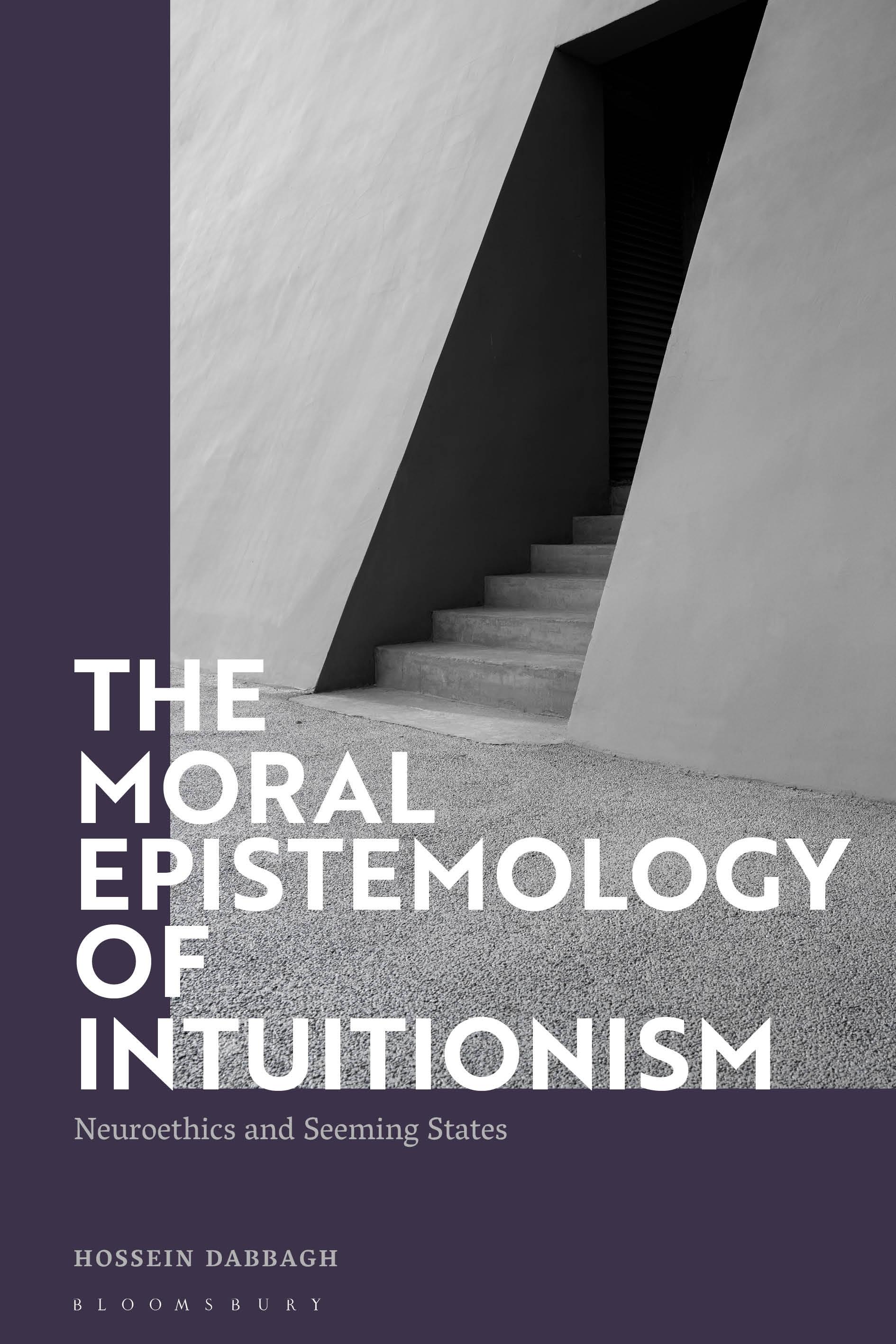
Covering moral intuition, self-evidence, non-inferentiality, moral emotion and seeming states, Hossein Dabbagh defends the epistemology of moral intuitionism.
His line of analysis resists the empirical challenges derived from empirical moral psychology and reveals the seeming-based account of moral intuitionism as the most tenable one. The Moral Epistemology of Intuitionism combines epistemological intuitionism with work in neuroethics to develop an account of the role that moral intuition and emotion play in moral judgment. The book culminates in a convincing argument about the value of understanding moral intuitionism in terms of intellectual seeming and perceptual experience.
His line of analysis resists the empirical challenges derived from empirical moral psychology and reveals the seeming-based account of moral intuitionism as the most tenable one. The Moral Epistemology of Intuitionism combines epistemological intuitionism with work in neuroethics to develop an account of the role that moral intuition and emotion play in moral judgment. The book culminates in a convincing argument about the value of understanding moral intuitionism in terms of intellectual seeming and perceptual experience.
Betala smidigt med kort, Klarna, Apple Pay eller Google Pay. Är du inte nöjd har du alltid 14 dagars ångerrätt. Läs mer i våra villkor. Har du några frågor, mejla oss på hello@memmo.org.
Memmo gör det enklare att plugga – var du än är i världen. Hos oss samlar du kursböcker och smarta studieverktyg på ett och samma ställe: sammanfattningar, quiz, poddar och flashcards. Och så Ted, din studiekompis som svarar på allt du undrar. Över 50 000 studenter pluggar redan här – byggt för att du ska lära dig snabbare och stressa mindre.