
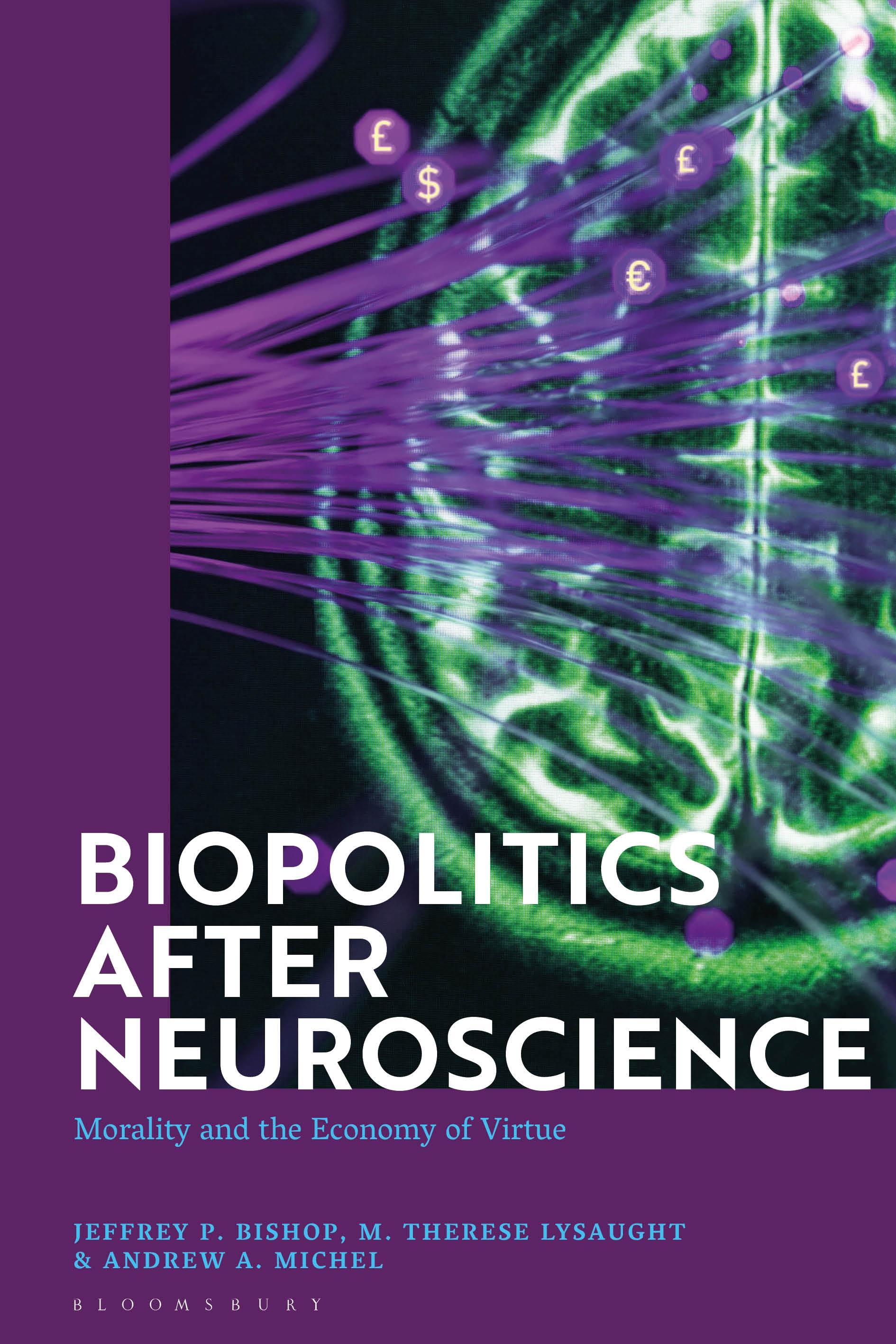
This book offers a provocative analysis of the neuroscience of morality. Written by three leading scholars of science, medicine, and bioethics, it critiques contemporary neuroscientific claims about individual morality and notions of good and evil. Winner of a 2021 prize from the Expanded Reason Institute, it connects moral philosophy to neoliberal economics and successfully challenges the idea that we can locate morality in the brain.
Instead of discovering the source of morality in the brain as they claim to do, the popularizers of contemporary neuroscience are shown to participate in an understanding of human behavior that serves the vested interests of contemporary political economy. Providing evidence that the history of claims about morality and brain function reach back 400 years, the authors locate its genesis in the beginnings of modern philosophy, science, and economics. They further map this trajectory through the economic and moral theories of Francis Bacon, David Hume, Jeremy Bentham, John Stuart Mill, and the Chicago School of Economics to uncover a pervasive colonial anthropology at play in the neuroscience of morality today.
The book concludes with a call for a humbler and more constrained neuroscience, informed by a more robust human anthropology that embraces the nobility, beauty, frailties, and flaws in being human.
Instead of discovering the source of morality in the brain as they claim to do, the popularizers of contemporary neuroscience are shown to participate in an understanding of human behavior that serves the vested interests of contemporary political economy. Providing evidence that the history of claims about morality and brain function reach back 400 years, the authors locate its genesis in the beginnings of modern philosophy, science, and economics. They further map this trajectory through the economic and moral theories of Francis Bacon, David Hume, Jeremy Bentham, John Stuart Mill, and the Chicago School of Economics to uncover a pervasive colonial anthropology at play in the neuroscience of morality today.
The book concludes with a call for a humbler and more constrained neuroscience, informed by a more robust human anthropology that embraces the nobility, beauty, frailties, and flaws in being human.
Betala smidigt med kort, Klarna, Apple Pay eller Google Pay. Är du inte nöjd har du alltid 14 dagars ångerrätt. Läs mer i våra villkor. Har du några frågor, mejla oss på hello@memmo.org.
Memmo gör det enklare att plugga – var du än är i världen. Hos oss samlar du kursböcker och smarta studieverktyg på ett och samma ställe: sammanfattningar, quiz, poddar och flashcards. Och så Ted, din studiekompis som svarar på allt du undrar. Över 50 000 studenter pluggar redan här – byggt för att du ska lära dig snabbare och stressa mindre.