
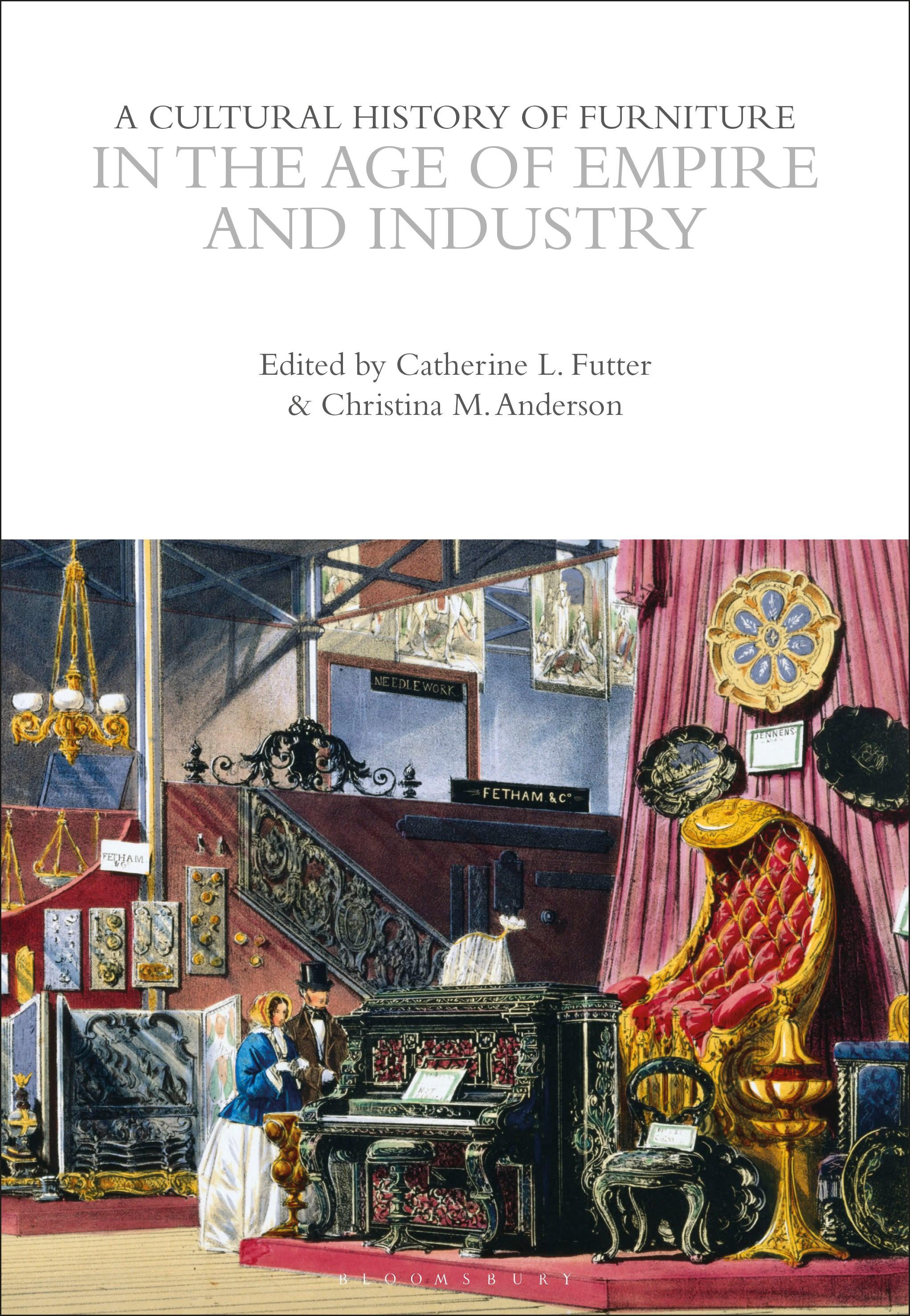
The 19th century in Western culture was a time of both confidence and turbulence. Industrial development produced a growing middle class as well as efficiency, convenience, and innovation across a range of fields from engineering to architecture. Alongside these improvements, the century began with the extended period of the Napoleonic Wars and was further disrupted by rebellions and revolutions both within Europe and in India, South America and other parts of the world. Slavery was abolished and urbanization increased dramatically.
These myriad developments were reflected throughout the period in the proliferation of types of furniture, along with their categorization as 'industrial art' at the international exhibitions and world fairs and the increasingly adventurous range of materials that were sometimes used in their construction. Nonetheless, a strong antiquarian/historicist strand also prompted interest in the revival of past styles in areas of art and design, including furniture.
Drawing upon a wealth of visual and textual sources, this volume of A Cultural History of Furniture presents essays that examine key characteristics of the furniture of the period on the themes of design and motifs; makers, making, and materials; types and uses; the domestic setting; the public setting; exhibition and display; furniture and architecture; visual representations; and verbal representations.
These myriad developments were reflected throughout the period in the proliferation of types of furniture, along with their categorization as 'industrial art' at the international exhibitions and world fairs and the increasingly adventurous range of materials that were sometimes used in their construction. Nonetheless, a strong antiquarian/historicist strand also prompted interest in the revival of past styles in areas of art and design, including furniture.
Drawing upon a wealth of visual and textual sources, this volume of A Cultural History of Furniture presents essays that examine key characteristics of the furniture of the period on the themes of design and motifs; makers, making, and materials; types and uses; the domestic setting; the public setting; exhibition and display; furniture and architecture; visual representations; and verbal representations.
Betala smidigt med kort, Klarna, Apple Pay eller Google Pay. Är du inte nöjd har du alltid 14 dagars ångerrätt. Läs mer i våra villkor. Har du några frågor, mejla oss på hello@memmo.org.
Memmo gör det enklare att plugga – var du än är i världen. Hos oss samlar du kursböcker och smarta studieverktyg på ett och samma ställe: sammanfattningar, quiz, poddar och flashcards. Och så Ted, din studiekompis som svarar på allt du undrar. Över 75 000 studenter pluggar redan här – byggt för att du ska lära dig snabbare och stressa mindre.