
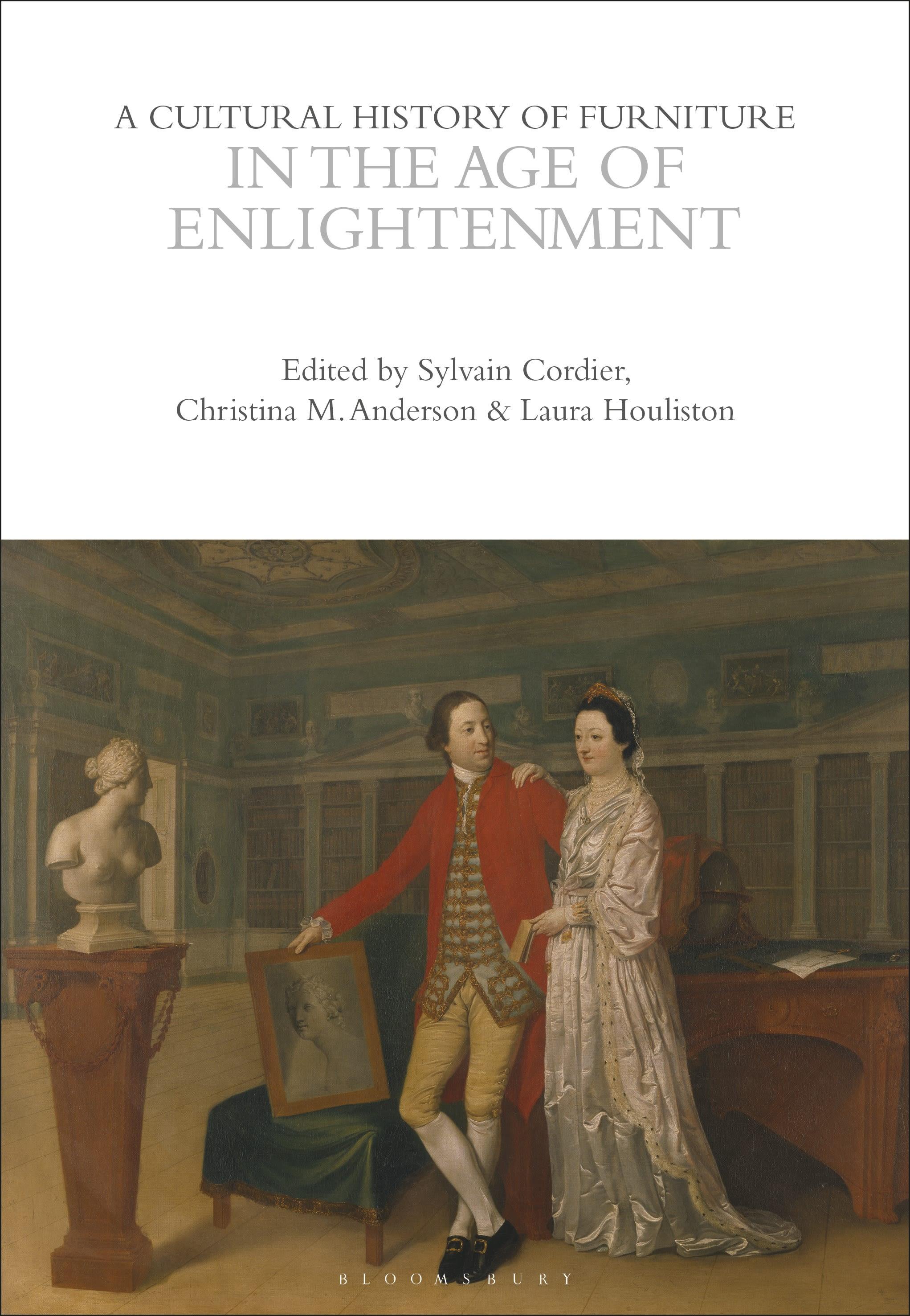
The 18th century saw the height of court culture in Europe as well as the beginnings of its demise with conflicts such as the American and French Revolutions. The Scientific Revolution, which had begun in the preceding centuries, also ushered in a new intellectual era which advocated the use of reason to effect change in government and to advance progress in society. For furniture, this meant ever-higher standards of luxury in the designs, techniques and materials utilized for the best pieces, and more structure and specialization in the furniture-making process itself. Furniture also came into its own during this period as a collectable work of art on its own merits.
Drawing upon a wealth of visual and textual sources, this volume of A Cultural History of Furniture presents essays that examine key characteristics of the furniture of the period on the themes of design and motifs; makers, making, and materials; types and uses; the domestic setting; the public setting; exhibition and display; furniture and architecture; visual representations; and verbal representations.
Drawing upon a wealth of visual and textual sources, this volume of A Cultural History of Furniture presents essays that examine key characteristics of the furniture of the period on the themes of design and motifs; makers, making, and materials; types and uses; the domestic setting; the public setting; exhibition and display; furniture and architecture; visual representations; and verbal representations.
Betala smidigt med kort, Klarna, Apple Pay eller Google Pay. Är du inte nöjd har du alltid 14 dagars ångerrätt. Läs mer i våra villkor. Har du några frågor, mejla oss på hello@memmo.org.
Memmo gör det enklare att plugga – var du än är i världen. Hos oss samlar du kursböcker och smarta studieverktyg på ett och samma ställe: sammanfattningar, quiz, poddar och flashcards. Och så Ted, din studiekompis som svarar på allt du undrar. Över 75 000 studenter pluggar redan här – byggt för att du ska lära dig snabbare och stressa mindre.